
Interaction Between Cardiovascular and Pulmonary Systems During Exercise
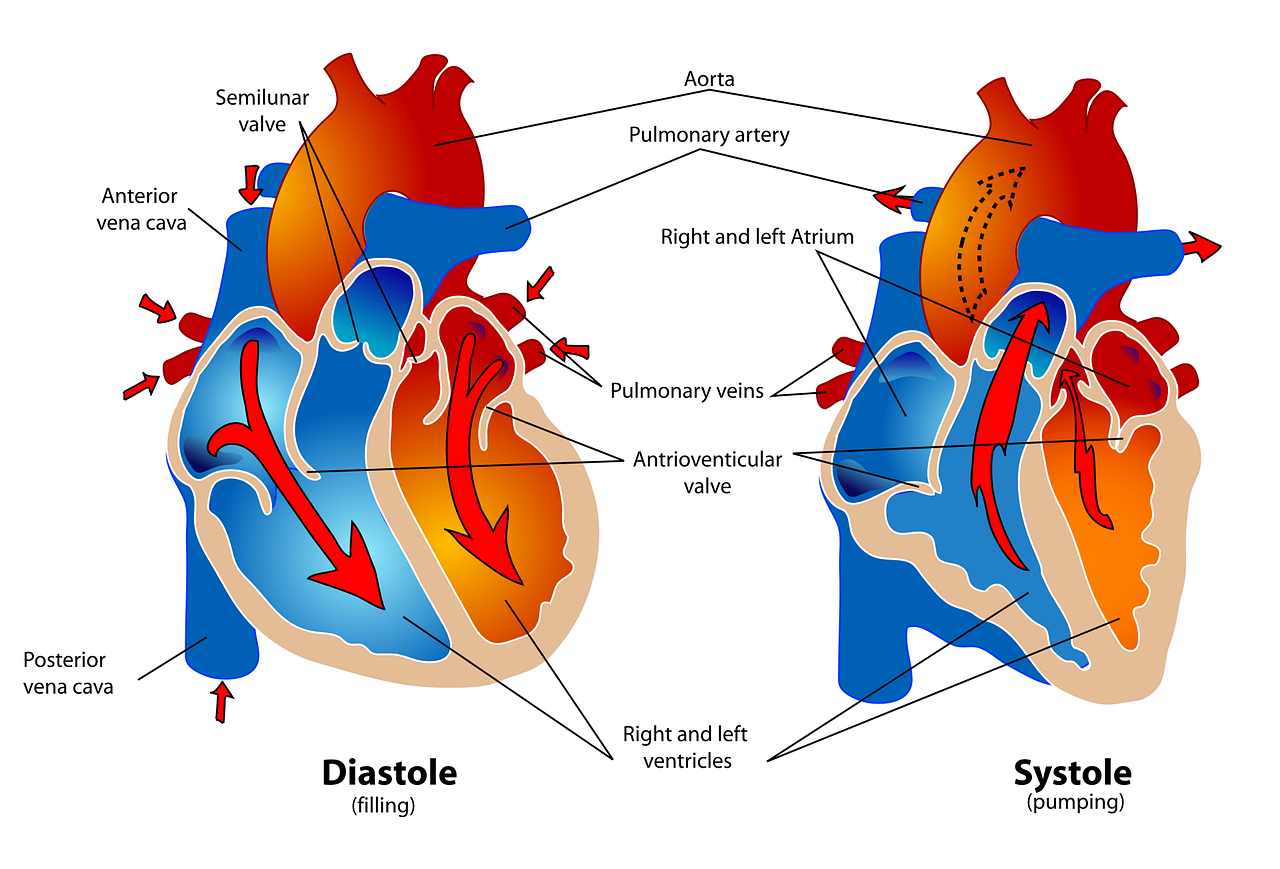
The interplay between the cardiovascular and pulmonary systems during exercise is crucial for maintaining homeostasis. Engaging in physical activities increases the demand for oxygen and nutrients while also requiring the removal of metabolic waste products like carbon dioxide. This increased demand triggers a series of adaptations in both systems, allowing the body to efficiently supply oxygen to the muscles while removing carbon dioxide produced during metabolic processes. When exercising, heart rate and stroke volume rise to enhance blood flow, ensuring that oxygen and nutrients are delivered quickly. Concurrently, the respiratory rate and tidal volume increase, facilitating improved gas exchange in the lungs. These simultaneous adjustments are not solely independent; they are intricately linked, showcasing the importance of the cardiovascular system in optimizing pulmonary function. Factors such as exercise intensity and duration further influence these interactions. For instance, during high-intensity exercise, a rapid increase in heart rate helps to maintain adequate perfusion of lung tissues, enhancing oxygen uptake. Understanding these dynamics is essential for athletes, coaches, and healthcare providers aiming to improve performance and manage health concerns during exercise.
At rest, the cardiovascular and pulmonary systems function efficiently, yet their dynamics shift dramatically during physical exertion. Both systems depend on neural and hormonal signals to adapt to immediate changes in activity levels. Mechanoreceptors and chemoreceptors play significant roles in this regulatory process. These sensors monitor changes in blood pressure, oxygen, and carbon dioxide levels, sending information to the brain to modulate heart rate and respiratory rate accordingly. For example, an increase in carbon dioxide or a drop in oxygen levels signals the need for increased respiratory efforts. This feedback loop is critical for maintaining optimal blood gases during exercise, preventing the buildup of carbon dioxide or depletion of oxygen. In addition, the role of the autonomic nervous system cannot be overlooked; the sympathetic nervous system ramps up activity to boost heart rate and lung ventilation. Conversely, during periods of rest and recovery, the parasympathetic nervous system facilitates a return to baseline states. Consequently, understanding these feedback mechanisms can enhance training strategies, improving athletic performance while ensuring a safe exercise environment.
Physiological Responses to Exercise
As exercise intensifies, several physiological adaptations occur, underscoring the contributions of both the cardiovascular and pulmonary systems. The heart adapts to regular training through hypertrophy, improved contractility, and increased stroke volume at rest as well as during exertion. These changes lead to a more efficient cardiovascular response, allowing for greater oxygen delivery to active tissues. The respiratory system also enhances its efficiency through adaptations such as increased alveolar surface area and improved pulmonary capillary expansion. These modifications enable more effective gas exchange, enhancing oxygen uptake and carbon dioxide clearance during intense exercise. Another critical adaptation is increased capillary density in the muscles, which promotes greater nutrient delivery and waste removal. Additionally, hemoglobin levels may increase, improving the blood’s oxygen-carrying capacity. This phenomenon is particularly beneficial for endurance sports, where sustained activity levels necessitate a higher oxygen supply. Keeping these physiological responses in mind will help athletes optimize their training regimens, as well as allows clinicians to develop tailored rehabilitation programs for patients requiring cardiovascular or pulmonary interventions.
The influence of altitude on cardiovascular and pulmonary function during exercise presents additional challenges for athletes and enthusiasts. At high altitudes, the partial pressure of oxygen decreases, resulting in reduced oxygen availability for metabolic processes. This environmental change prompts the body to adapt over time, enhancing the efficiency of oxygen use and improving lung function through various mechanisms. During initial exposure to altitude, individuals may experience shortness of breath, increased heart rate, and altered exercise tolerance. These adaptations often lead to increased red blood cell production and heightened breathing rates, striving to maintain adequate oxygen delivery to tissues. Training at high altitudes can offer performance advantages once athletes acclimatize to less oxygen-rich environments. Nonetheless, this adaptability comes with risks, including acute mountain sickness or chronic altitude sickness, with symptoms including dizziness and fatigue. Athletes must employ proper acclimatization strategies and hydration techniques to mitigate potential risks. As knowledge of altitude training evolves, continuous research sheds light on optimizing performance under these conditions. Overall, altitude serves as a fascinating backdrop to understand the complexities of the body’s physiological responses during exercise.
Impact of Training on Cardiovascular Health
Regular exercise is fundamental in promoting cardiovascular health, making profound impacts on both the heart and lungs. Engaging in aerobic activities strengthens the heart muscle, enhancing its pumping efficiency and overall capacity. As cardiovascular health improves, resting heart rates often decrease, reflecting the heart’s increased efficiency. Furthermore, such training diminishes the risk of cardiovascular diseases, including hypertension and coronary artery disease. Exercise promotes vasodilation, enabling blood vessels to expand and improve circulation, simultaneously reducing overall vascular resistance. In addition to cardiovascular benefits, lung function also improves through consistent physical activity. Regular training increases vital capacity, which enhances the lungs’ ability to take in oxygen and expel carbon dioxide during strenuous activities. These adaptations contribute to improved overall endurance and exercise performance, encouraging individuals to maintain an active lifestyle. Consequently, understanding how training influences cardiovascular and pulmonary health underscores the importance of integrating regular physical activity into daily routines. Adopting habits that promote both heart and lung health effectively contributes to long-term health and well-being while preventing chronic diseases.
The cerebrovascular adaptations associated with cardiovascular and pulmonary interactions during exercise also warrant attention. The brain requires a consistent supply of oxygen to function optimally, and any disruption in this supply can impair cognitive performance. Thus, maintaining effective circulation and gas exchange is crucial not just for muscular performance but also for cognitive functioning. Exercise positively influences cerebral blood flow and vascularity, promoting brain health and reducing the risk of neurodegenerative diseases. For athletes, these improvements can translate into enhanced focus and concentration during competitive scenarios. Moreover, the beneficial impacts of aerobic exercise extend to mood regulation through the release of endorphins and neurotransmitters. Psychological factors, such as diminished anxiety and improved mental resilience, also manifest as individuals engage in regular physical activity. Encouraging physical activities that incorporate both aerobic and resistance training may further bolster neurological, cardiovascular, and pulmonary health. A holistic approach addressing these interconnected systems will yield the best outcomes, ensuring optimal performance and well-being for individuals of all skill levels. These findings illustrate the comprehensive benefits of understanding the intricate relationship between these systems during exercise.
Conclusion: Optimizing Exercise Performance
The intricate connection between the cardiovascular and pulmonary systems during exercise highlights the need for a comprehensive understanding of both systems for optimizing performance. Adaptations that arise from regular exercise can truly enhance physical capabilities by improving oxygen uptake and metabolic efficiency. Athletes and coaches should prioritize training regimens that not only focus on strength and endurance but also pay attention to cardiovascular and pulmonary function. Utilizing techniques such as interval training can significantly improve both aerobic and anaerobic capacities, demonstrating the interdependence of these systems. Additionally, clinicians can leverage knowledge about these interactions when developing rehabilitation protocols, ensuring tailored strategies that enhance patient outcomes through progressive exercises. Monitoring progress with the help of technologies, such as heart rate monitors or spirometers, can provide valuable data to inform training adjustments and ensure safety during workouts. Scientists and practitioners continuously explore the implications of research findings, presenting opportunities to incorporate evidence-based practices into exercise programs. As we deepen our understanding of how both systems interact during physical activities, it becomes evident that an integrated approach is vital for ensuring optimal performance and well-being.
In light of the growing focus on integrating cardiovascular and pulmonary health in exercise science, collaborative efforts among practitioners are essential. This collaboration can strengthen research initiatives, leading to innovations in training methods and rehabilitation programs. Community engagement through educational initiatives can promote awareness of how the cardiovascular and pulmonary systems interact, encouraging healthier lifestyle choices among individuals of all ages. Schools can incorporate physical activities and sports education, paving the way for a new generation of physically literate individuals who value the importance of regular exercise. Such educational initiatives can serve as a foundation for advanced research in physiology, health, and medicine. Ultimately, increased knowledge and awareness will not only improve athletic performance but also contribute to greater overall well-being. By fostering a deeper understanding of the cardiovascular and pulmonary systems, we can embark on a journey towards healthier lifestyles, reduced disease burden, and enhanced athletic achievements. As research continues to evolve, new insights will undoubtedly emerge, paving the way for further improvements in exercise strategies and public health initiatives.