
Guided Static Stretching Sessions for Stress Reduction
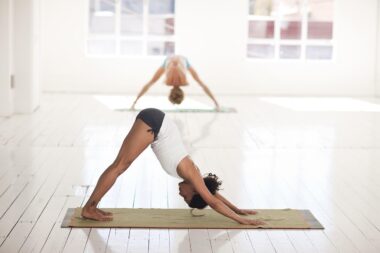
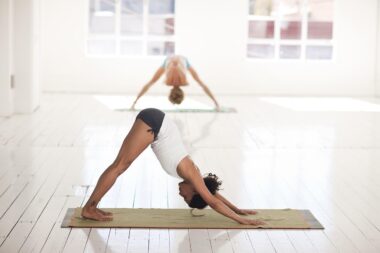
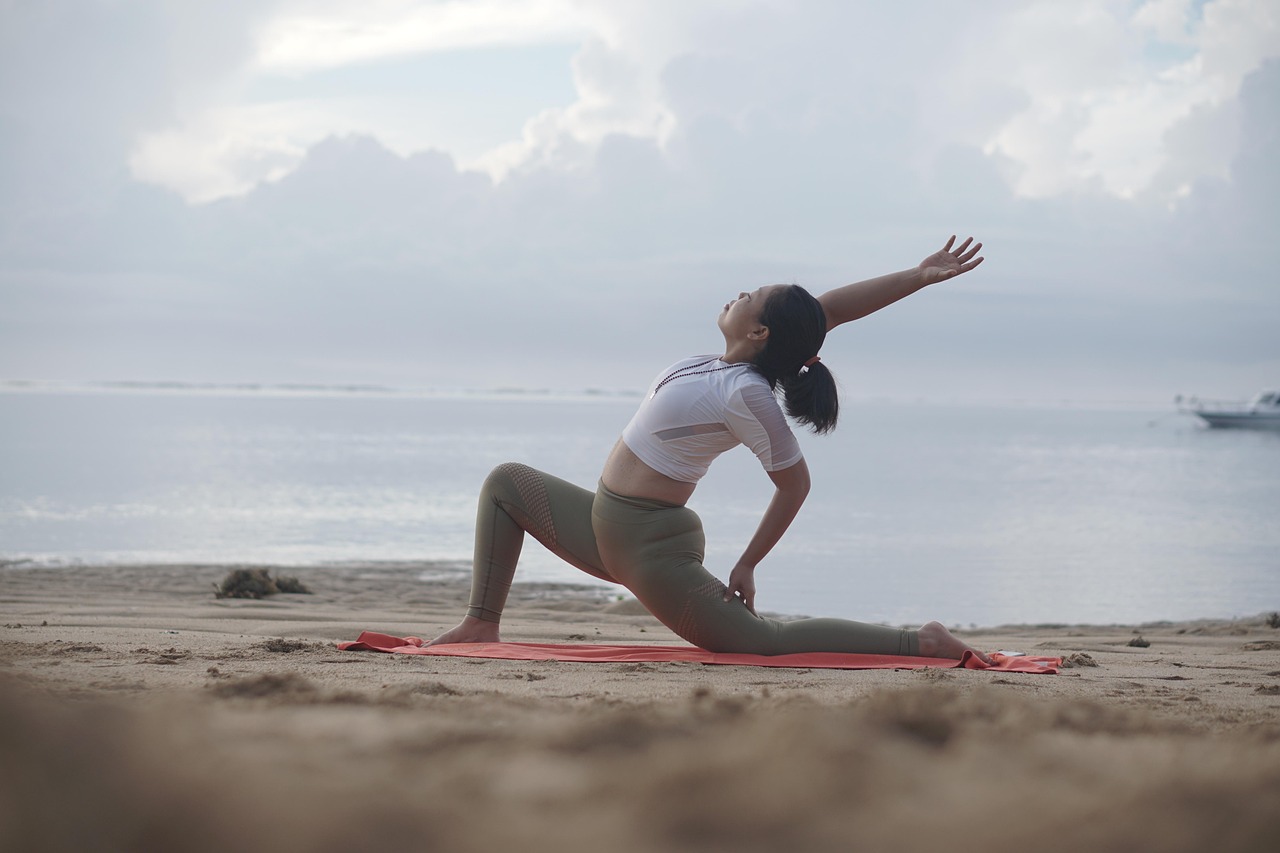
Static stretching is an integral practice for improving flexibility and reducing overall stress levels. Engaging in guided static stretching sessions can provide numerous benefits for both the mind and body. These sessions often encompass various techniques that focus on lengthening the muscles and enhancing the range of motion. The purpose of these stretches is not only physical; they also promote mental well-being by calming the mind. When you stretch, your body releases endorphins, which are natural stress relievers. Furthermore, pairing this with meditative breathing can amplify the relaxation benefits, allowing your mind to unwind fully. It is essential to incorporate these sessions into your daily routine for optimal health outcomes. Practicing at least three times a week is recommended to see significant results. Incorporating a few essential static stretches, like hamstring stretches and shoulder stretches, can also enhance flexibility. Be sure to listen to your body during these sessions, and hold each stretch for at least 15-30 seconds to reap the full benefits. This technique allows for better muscle memory and promotes a deeper understanding of your body’s capabilities.
Moreover, many individuals find that guided static stretching sessions can be deeply restorative, particularly after a long day at work or after strenuous exercise. The practice of focusing solely on stretching enables participants to become more aware of their bodies and tension areas. You may notice tightness in certain muscles, signaling the need for extended stretching. One effective way to integrate static stretching into your routine is through online resources that provide guided sessions. Many platforms offer videos led by experienced instructors who emphasize proper technique. These resources can help beginners as well as seasoned athletes to enhance their stretching repertoire. For those seeking flexibility improvement, the inclusion of props such as yoga straps or blocks can assist you in achieving optimal form. These tools can help deepen stretches and make them more accessible. Consider setting aside a dedicated space in your home for these guided sessions; having a specific area can enhance your commitment to regular practice. Creating an inviting atmosphere with calming music or aromatherapy can further improve your stretching experience, transforming it into a cherished part of your day.
The Importance of a Warm-Up
Before engaging in static stretching, it is crucial to prepare the body with an appropriate warm-up. A gentle warm-up session can significantly improve flexibility and muscle elasticity. Starting with light aerobic activities such as walking or cycling for approximately 5-10 minutes can prime the muscles for stretching. This elevation in body temperature can also enhance blood circulation, reducing the risk of injuries during stretching. Once warmed up, you can transition into guided static stretching sessions, allowing your body to maximize results. It is beneficial to begin with major muscle groups like the legs, back, and shoulders. During these sessions, you can enhance your focus on breathing and mindfulness. Breathing deeply during each stretch not only helps to relax the muscles but also calms the nervous system, allowing you to experience a deeper stretch. Consider incorporating various stretching positions, standing or seated, which can target specific muscle groups effectively. Take your time with each stretch, ensuring you hold each position as recommended to attain the best overall flexibility and relaxation benefits.
To further enhance your guided static stretching practice, consider incorporating visualization techniques. As you hold each stretch, imagine the tightness in the muscles dissipating, which may help increase relaxation. This mental approach to stretching reinforces the connection between mind and body, allowing for a more holistic experience. Setting a specific intention before each session can also contribute to a deeper experience. Whether your goal is to relieve tension, improve flexibility, or simply have a moment of peace, focusing on that intention can help guide your practice. It is also beneficial to track your progress using a journal; noting which stretches feel easier can help you stay motivated. Additionally, practicing mindfulness during stretches can lead to greater self-awareness and personal growth. Aim to observe any sensations or thoughts without judgment, as this will enrich your stretching sessions. Creating variations in your routine can keep things fresh and exciting, which incorporates different stretches and holding techniques. Remember, consistency is key; practicing even a few minutes a day can yield substantial benefits over time.
Incorporating Static Stretching into Daily Life
Integrating guided static stretching into your daily life can be achieved seamlessly, regardless of your schedule. For busy individuals, setting aside even ten minutes in the morning can serve as a peaceful start to your day. If mornings are hectic, consider a stretching session during breaks at work. This can help to manage stress and improve productivity throughout the day. At the end of your day, dedicating time to stretch can serve as a calming ritual that signals to your mind and body that it’s time to wind down. Create a routine that feels enjoyable to you; perhaps it includes a few minutes of deep breathing or soft music to create a calming atmosphere. You can also invite family members or friends to join you, making stretching a shared experience that encourages connection and stress reduction. Exploring group sessions at local studios can also provide a supportive community environment. Additionally, consider using reminders on your phone or calendar to maintain consistency, as this will help you develop accountability in your practice.
As you continue to develop your static stretching routine, it’s vital to pay attention to your body’s signals. This practice is not about forcing yourself into a stretch; rather, it’s about finding a comfortable position where you can feel tension without pain. Each stretch should be smooth and controlled, allowing for a gentle push against your limits. Learning to differentiate between discomfort and pain is crucial for effective stretching. Remember that achieving flexibility is a gradual process, requiring patience and dedication. If you discover that certain stretches do not feel good, listen to your body and adjust accordingly. There are many variations available for most stretches – don’t hesitate to explore them. You can also seek guidance from certified instructors who can provide personalized feedback. This knowledge can enhance your understanding of safe stretching practices. As you advance, always maintain a focus on proper form and alignment. Practicing in front of a mirror can help you correct your posture and ensure that you are safely executing each stretch for optimal benefits.
Conclusion on Stress Reduction
Guided static stretching provides a remarkable opportunity for stress reduction and improved overall flexibility. As you integrate these sessions into your lifestyle, the shift in your physical and mental state will likely become apparent. You may find yourself not only feeling more relaxed but also more aware of your body and its needs. Remember that cultivating a stretching routine is a personal journey, and it’s essential to honor your unique pace and limits. Listen to the signals your body sends, ensuring that each session is a nurturing experience. With time and practice, many individuals observe significant improvement in their physical health and overall emotional well-being. Celebrate small milestones, whether it’s increased flexibility or a newfound sense of calm. Consider documenting your progress to remain motivated and set personal goals. Ultimately, the practice of guided static stretching can transform not just your body, but also your approach to life’s challenges. Over time, you may notice that this practice not only aids in physical recovery but also deepens your ability to manage stress sustainably.