
The Best Warm-Up and Cool-Down Practices for Kettlebell HIIT
High-Intensity Interval Training (HIIT) is a dynamic workout that demands optimal readiness, making effective warm-up and cool-down practices essential for performance and recovery. Before delving into kettlebell HIIT exercises, warming up the body properly improves circulation, increases heart rate, and enhances muscle flexibility. A good warm-up can include dynamic movements like leg swings, arm circles, and torso twists. Many athletes benefit from gradually increasing intensity through jogging or brisk walking, easing the body into higher-intensity exercises. Include specific kettlebell movements such as light swings or high pulls in the warm-up to prepare targeted muscles. It’s instrumental for injury prevention, as adequately warmed muscles are less likely to sustain injuries. Ballistic movements that mimic the workout can be integrated effectively without undue strain. Further, addressing joint mobility with specific focus on hips, shoulders, and ankles will enhance overall performance. Establish a rhythm, pacing warm-up segments to reflect the intervals seen in actual HIIT sessions. Ultimately, a tailored warm-up routine serves as the gateway to a more efficient kettlebell HIIT experience, fostering benefits that extend beyond mere physical preparation.
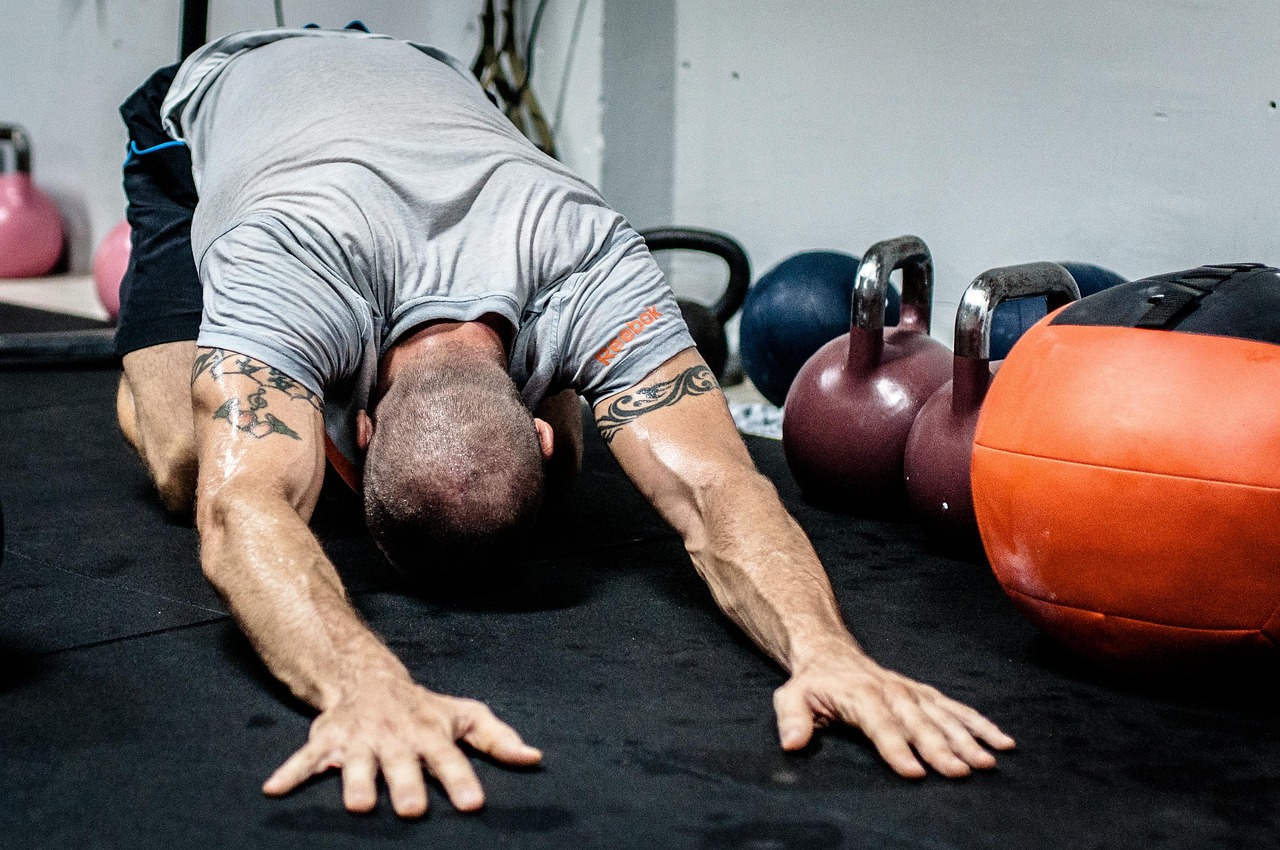
A structured cool-down is equally vital to complement your kettlebell HIIT regimen, ensuring that your body transitions back to a resting state smoothly. Following an intense workout, the body requires time to recover from elevated heart rates and muscle exertion effectively. A proper cool-down can help reduce lactic acid buildup, promoting faster recovery and minimizing soreness. Gentle stretches are often beneficial, focusing on the major muscle groups used during kettlebell training, including the legs, back, and shoulders. Static stretches can hold each position for about 15-30 seconds to adequately relieve tension and enhance muscle recovery. Also, by integrating deep breathing techniques during the cool-down, you’re facilitating relaxation, helping to lower heart rate gradually. This strengthens the mind-muscle connection imperative for future performances. Balancing static and dynamic stretching within your cool-down provides an all-encompassing recovery method. It’s also wise to hydrate post-workout, replacing fluids lost during training. Documenting your cool-down results aids continual improvement, as reflecting on restrictions and reliefs can influence future workouts. Adhering to these principles fosters a sustainable kettlebell HIIT program, ultimately elevating your fitness journey.
Importance of Specific Warm-Up Exercises
In the context of kettlebell HIIT, incorporating specific warm-up exercises can significantly enhance your workout performance and safety. Not all warm-ups are created equal; specificity matters greatly. Thus, performing movements that closely mimic the exercises you’ll be executing during your HIIT session prepares muscles, joints, and connective tissues for exertion. Begin with foundational activities like goblet squats and kettlebell halos at lighter weights to activate and mobilize targeted muscle groups. These dynamic movements prepare your body for the demands of high-intensity intervals by enhancing stability and functional motion. Additionally, exercises like alternating lunges or kettlebell swings amplify blood flow to major areas used throughout kettlebell workouts. The warm-up duration should optimally fall between 10 to 15 minutes, allowing adequate attention to muscle activation and movement fluidity. Working on explosive movements, such as kettlebell snatches, at a lower intensity can effectively prepare trajectories relevant to your upcoming workout. Listening to your body during this period can inform adjustments to the main workout as needs evolve, particularly if any discomfort arises. Establishing a personal routine based on these principles ensures a consistent and effective kettlebell HIIT experience.
The cool-down phase of your kettlebell HIIT not only aids recovery but is an opportunity to reinforce the benefits of your training session. Incorporating stretches designed to target muscles engaged during your workout can alleviate residual tension. By focusing on areas like the hamstrings, glutes, and shoulders through controlled, slow movements, you can significantly enhance flexibility. Yoga-inspired stretches can work wonders here, promoting balance and joint mobility, which is crucial for overall athletic performance. Remember to implement static stretching techniques post-session, allowing you to ease away from the vigorous pace of HIIT. Also, consider recording the duration of your cool-down for accountability to your fitness goals. Combining your calming stretches with hydration—preferably water or electrolyte-rich drinks—supports bodily function as well. Focusing on breath control during this time is just as crucial as the physical stretching, as it links body and mind positively, helping in maintaining motivation. You may want to explore different stretches during your cool-down and note what works best for you, ensuring you always finish workouts on a high note of satisfaction and improved flexibility. This approach underscores holistic training for kettlebell-based routines.
Integrating Mobility Work into Warm-Ups
Including mobility work in your kettlebell HIIT warm-up routine can dramatically improve overall performance and range of motion. The need for flexibility and stability becomes even more critical when engaging in high-impact exercises such as kettlebell swings and snatches. Incorporating exercises like crab walks, lateral lunges, and dynamic stretches effectively primes the body for intensive movements. These activities enhance joint mobility and activate stabilizing muscles, allowing for safer movement patterns during high intensity. Aim for a blend of static and dynamic mobility work to increase blood flow and elasticity in muscles. Movement efficiency is paramount—limber joints enable easier transitions between exercise phases. Consider incorporating foam rolling or gentle massage techniques into your warm-up; these methods increase blood circulation and assist in targeting specific tight muscle groups. Investigating unique, sport-specific mobility sequences can also be insightful, providing a foundation for minimizing injury risks related to kettlebell training. It’s essential to approach this segment of the warm-up methodically; avoiding rushed movements contributes to higher training quality. Consequently, including mobility-focused stretches and exercises enhances the effectiveness of your kettlebell HIIT regimen firmly.
After completing your kettlebell HIIT session, it’s vital to incorporate a well-structured cool-down to support optimal recovery. Ending your workout without appropriately cooling down can lead to excess muscle tightness and delayed recovery benefits. Focus on the same principle of specificity but shifted toward cooling down; this involves easing out of high-intensity movements gradually. Start with gentle, slower-paced movements that gradually transition from kettlebell exercises into less intense actions like air squats or walking lunges. As you engage in these tapered exercises, emphasize your breathing to facilitate relaxation, slowing the heart rate down effectively. The cool-down can last anywhere from 5 to 15 minutes, ensuring you are mindful about allowing your body to adjust back to normal. Pair your stretching with considerations for hydration and nutrition assistance; nutrient balance post-exercise is essential for muscle repair. Developing a personalized post-workout routine that includes these elements can significantly streamline your recovery process. Always remain attentive to how your body responds during this period as striking a balance between adequate cool-down and hydration will formulate sustainable health benefits as you progress.
Listening to Your Body’s Signals
Incorporating effective warm-up and cool-down practices in your kettlebell HIIT sessions includes understanding how to listen to your body’s cues. Throughout both processes, observing how your body feels becomes integral—recognizing when to stretch further or ease off. A noticeable tightness or discomfort can signify adjustments in your warm-up routine are necessary. Conversely, if you’re feeling fatigued post-cool-down, implementing more gradual transitions to complete your workout would benefit. Always be cognizant of physical boundaries; pushing yourself without proper recovery can lead to injury. Documenting these sensations during every workout inevitably informs future routines enabling better personalized approaches to training. Moreover, as you familiarize yourself with certain kettlebell exercises, tracking what works best for you in terms of warming up and cooling down becomes essential knowledge for long-term improvements. In this way, your body’s feedback simplifies optimizing kettlebell HIIT routines effectively. Engaging with your body this way enables a more enriched journey through strength training, as understanding its signals invites purposeful practices in maintaining health as you progress. Prioritizing individual nuances can thus improve workout satisfaction tremendously.
To conclude, effective warm-up and cool-down practices are indispensable for maximizing the benefits of kettlebell HIIT. Having strategically planned segments in your routine prepares the body not only for the workout but also facilitates recovery. The integration of dynamic flexibility movements serves to mobilize joints while gradually increasing the heart rate—essential elements for high-intensity training. Equally, the cool-down phase signals the body’s need to transition back into a restful state after exertion, promoting recovery and injury prevention. Designing a consistent routine focused on specific movements ensures that every session is optimized for safety and effectiveness. Remember that hydration and nutrition play vital roles as well; they should be prioritized alongside your warm-up and cool-down approaches. It allows for a holistic training approach while encouraging long-term health improvements. Implement these practices continuously, making necessary adjustments according to how your body responds; documenting outcomes will further enhance future training approaches. Commit to the journey of growth through kettlebell HIIT, acknowledging that mastering warm-ups and cool-downs are fundamental steps toward achieving your ultimate fitness goals. Emphasis on recovery will always pay off, reflecting a thoughtful approach to training.