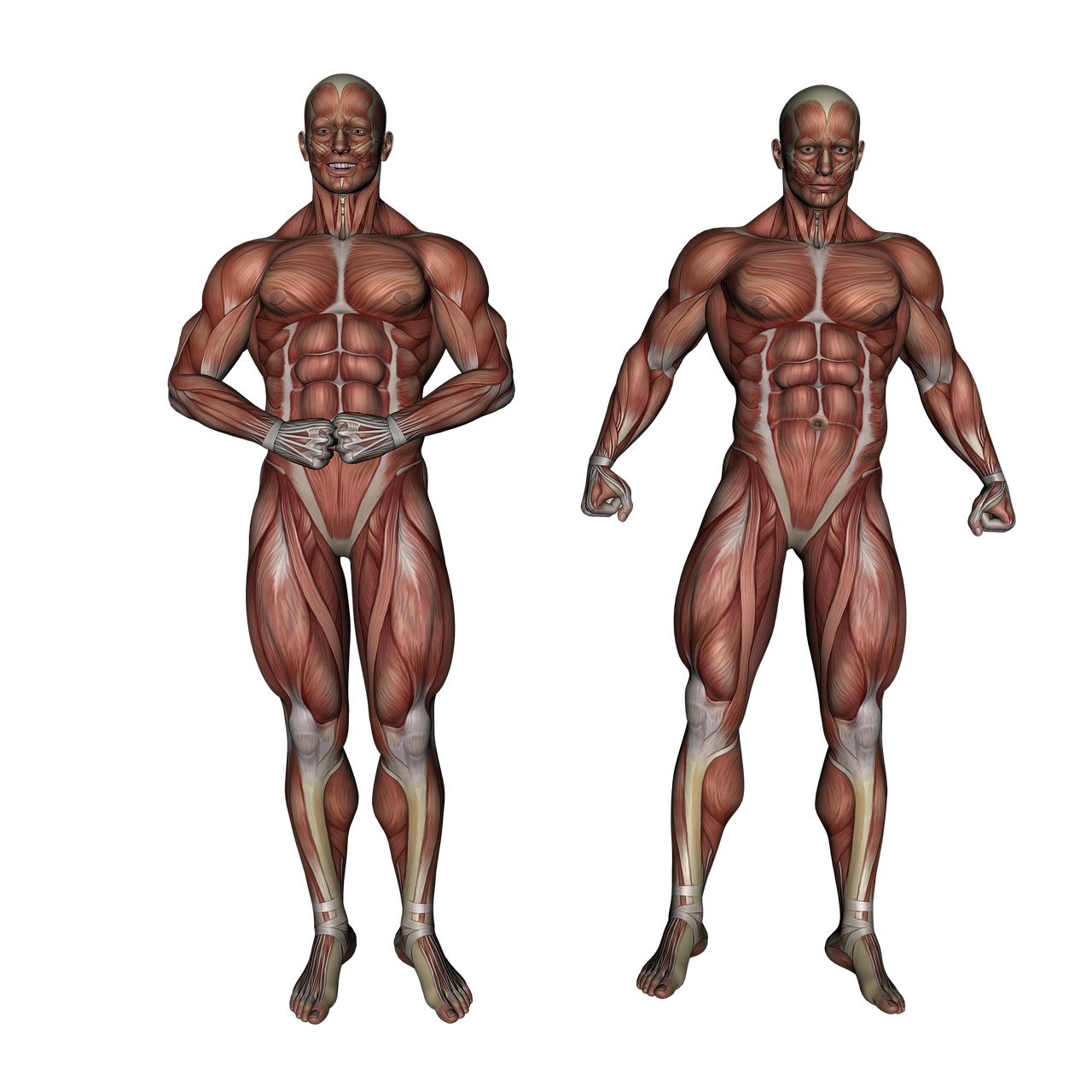

Adaptations in Muscle Fiber Types: A Comparative Approach
Muscle fibers exhibit significant adaptations that align with the demands of their environment and functionality. These adaptations can be categorized primarily into three types: type I, type IIa, and type IIb fibers. Type I fibers, often referred to as slow-twitch fibers, are highly resistant to fatigue and primarily use aerobic metabolism. This allows them to sustain prolonged efforts, making them essential for endurance activities, such as long-distance running. In contrast, type IIa fibers are fast-twitch fibers that possess a combination of endurance and strength capabilities, effectively utilizing both aerobic and anaerobic metabolic pathways. These fibers enable moderate strength and speed during short to intermediate activities, like middle-distance running. Finally, type IIb fibers are characterized by their rapid energy release but quickly fatigue, making them ideal for short bursts of speed, such as sprinting. Understanding these adaptations across species helps researchers decipher evolutionary responses to locomotion demands in various habitats, enhancing our knowledge of muscle physiology and function. Thus, comparative biomechanics serves as a crucial lens through which to examine the adaptive strategies organisms utilize for survival and efficiency in their respective environments.
Comparative studies reveal that muscle fiber types are not uniformly distributed throughout all organisms; rather, they vary significantly across taxa and evolutionary lineages. For instance, in mammals, muscle adaptations align closely with the animal’s lifestyle and ecological niche. Species that predominantly engage in activities requiring endurance, such as migrating birds, often possess a higher proportion of type I fibers. Conversely, species adapted for explosive movements, such as certain reptiles, exclude type I fibers and prioritize type IIb fibers. This diversity showcases the evolutionary pressures encountered by different species. Furthermore, environmental factors like temperature, altitude, and even habitat complexity can influence muscle fiber composition, reflecting an organism’s adaptability. By analyzing these variations, comparative biomechanics contributes to a deeper understanding of the physiological constraints faced by different species, emphasizing the intricate relationship between form, function, and fitness. This adaptability not only aids in understanding muscle physiology but also has implications for fields like sports science and rehabilitation, where tailored training regimens can enhance athletic performance. Thus, the study of muscle fiber adaptations stands out as an important area of research in comparative biomechanics.
The integration of advanced imaging techniques and molecular biology has revolutionized our capabilities in studying muscle fiber types. High-resolution imaging can reveal intricate details about muscle structure and composition, while molecular techniques allow researchers to investigate gene expression related to fiber type differentiation. For example, studies employing RNA sequencing have identified specific genes that regulate the development and function of various muscle fiber types. As these technologies progress, researchers can delve deeper into the genetic and environmental factors influencing muscle adaptation. One critical aspect is understanding how fiber type distribution can change in response to different training regimens. Athletes often demonstrate shifts in muscle fiber composition, which can optimize their performance based on the specific demands of their sport. This phenotypic plasticity highlights the capacity of muscle fibers to adapt through training and environmental exposure. Additionally, these insights have compelling implications for rehabilitation strategies following injury or surgery. Personalized rehabilitation protocols guided by an understanding of individual muscle fiber composition can enhance recovery and performance outcomes, making this area of research continually relevant.
The Role of Genetics in Fiber Type Determination
Genetics plays a pivotal role in determining the inherent characteristics of muscle fiber types. Studies involving family lines and twin studies suggest a heritable component to muscle fiber distribution, indicating that including one’s genetic background influences athletic performance. Research has isolated specific loci on chromosomes that correlate strongly with fast-twitch and slow-twitch muscle fiber characteristics. Moreover, the expression of myogenic regulatory factors, such as MyoD and Myf5, has been identified as crucial in guiding muscle fiber type differentiation during development. Understanding these genetic influences sheds light on why some individuals are predisposed to excel in endurance activities while others thrive in explosive sports. This genetic basis also underscores the potential for interventions aimed at enhancing muscle type adaptations through targeted genetic or training strategies. Further exploration of epigenetics reveals how environmental exposures could modify gene expression without altering the DNA sequence itself, indicating that lifestyle and training can interact with innate genetic predispositions. Thus, the interplay between genetics and environmental factors enhances our overall comprehension of muscle fiber adaptations.
In the realm of sports science, knowledge about muscle fiber adaptations provides invaluable insights for athletes aiming to optimize their performance. Strategies tailored to an athlete’s specific fiber type composition can significantly enhance training outcomes. Endurance athletes, for instance, may focus more on incorporating aerobic training to maximize their slow-twitch fibers’ efficiency. Conversely, sprinters can benefit from strength training and explosive workouts that recruit and develop their fast-twitch fibers. Coaches increasingly analyze an athlete’s muscle fiber composition through biopsy techniques or non-invasive assessments to craft personalized training plans that enhance peak performance. This approach minimizes the risk of overtraining and injury by aligning training intensity and volume with individual physiological capabilities. Furthermore, understanding these adaptations assists in periodization strategies, ensuring athletes peak at the right times throughout competition seasons. Such tailored strategies not only improve performance but also extend athletic careers by maximizing genetic potential. As our understanding of muscle fiber types continues to expand, innovative training methodologies will emerge, further revolutionizing athlete development and overall sports performance.
Muscle Fiber Adaptations and Aging
Aging presents unique challenges concerning muscle fiber adaptations and overall muscle health. With advancing age, there is typically a gradual decline in muscle mass and strength, a condition often referred to as sarcopenia. Research indicates that this decline is associated with a reduction in both type I and type II muscle fibers, although type II fibers decline at a more significant rate. This can lead to decreased functional capacity, impacting everyday activities and quality of life for older adults. Furthermore, the balance between different fiber types may shift, reducing the overall muscular adaptability required for varied life demands. However, incorporating resistance and aerobic training into older individuals’ routines can mitigate these age-related changes, improving strength, functionality, and even promoting muscle fiber regeneration. Regular exercise has been shown to maintain or increase the size of existing muscle fibers and promote the recruitment of satellite cells, which play a crucial role in muscle repair and growth. Therefore, addressing fiber type adaptations through exercise becomes essential in preserving mobility and independence in older adults.
The study of muscle fiber types has direct implications for medical science and therapeutic approaches. Conditions such as muscular dystrophy or other neuromuscular disorders can dramatically alter the normal arrangement and function of muscle fibers. Understanding the adaptations that occur in response to such conditions allows for the development of targeted therapeutic interventions. For instance, research into gene therapy and pharmacological approaches seeks to address the underlying causes of muscle degeneration, focusing on restoring or improving muscle function. Moreover, rehabilitation strategies can be designed to incorporate specific training protocols that promote the recruitment of existing muscle fibers and enhance their functional capacity. As more is learned about the plasticity of muscle fibers, the potential for enhancing recovery through tailored interventions becomes a key area of exploration. Additionally, insights gained from studying muscle fiber adaptations can contribute to better management strategies for age-related muscle loss, improving healthcare outcomes for the aging population. The ongoing research promises a future where muscle-related disorders can be addressed more effectively, improving the lives of many affected individuals.
Conclusion
In conclusion, understanding the adaptations in muscle fiber types through comparative biomechanics highlights the intricate relationship between evolutionary history, genetics, and environmental influences on muscle composition and function. The variations between different species, along with the impact of training and aging, demonstrate how muscle fibers are not static structures but dynamic entities that respond to various stimuli. From enhancing athletic performance to developing therapeutic strategies for muscle-related disorders, the insights derived from this field of research have profound implications across numerous disciplines. Knowing how muscle fibers function and adapt can guide personalized approaches in training, rehabilitation, and health management. The future of biomechanics holds exciting prospects for unraveling the complexities of muscle adaptations, paving the way for advancements within sports science, medicine, and fitness. As the investigation into muscle physiology continues, the tools and methodologies employed will only become more sophisticated, affording a clearer picture of how muscle fibers evolve and adapt. Ultimately, such knowledge contributes significantly to our appreciation of movement, performance, and health across species and throughout life stages.