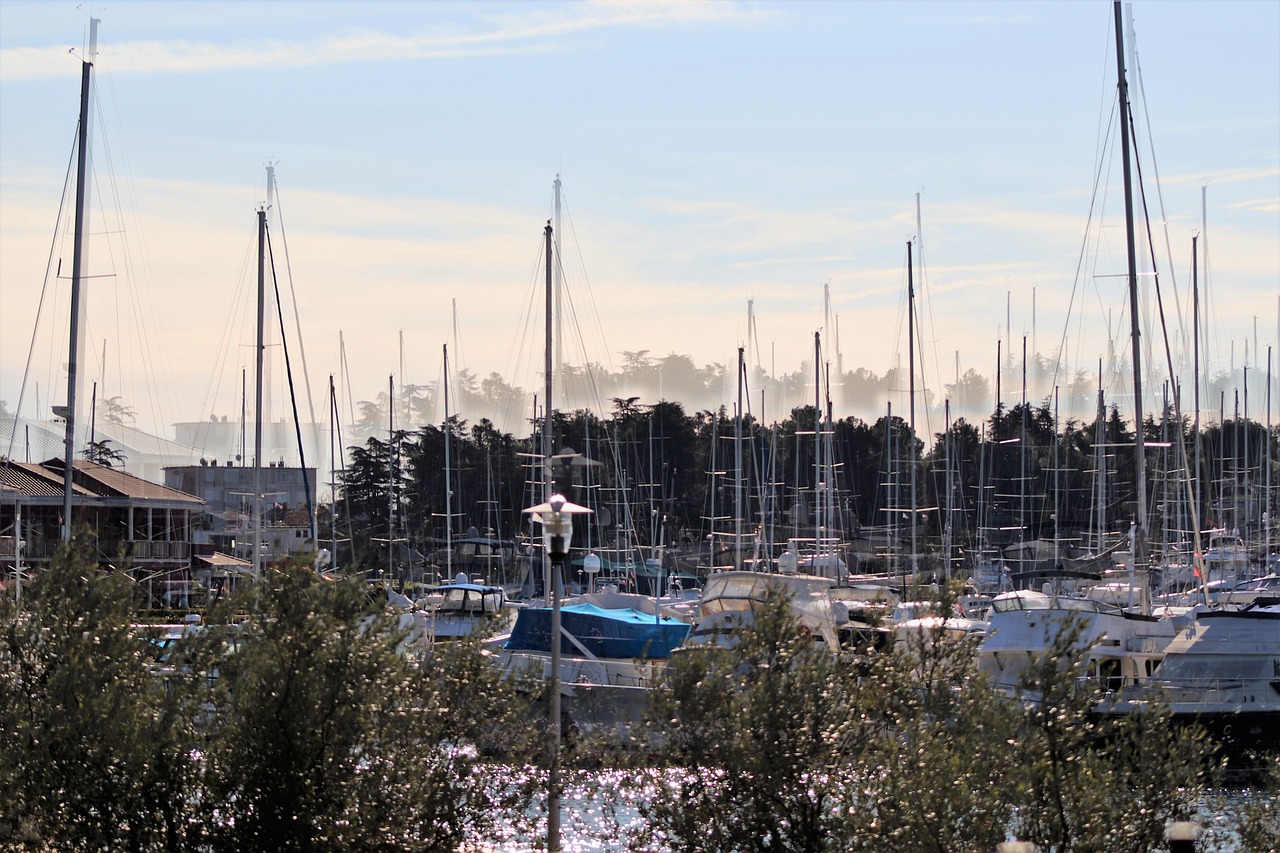

Sailing Yachting Photography: Tips for Capturing Stunning Moments
Sailing yachting photography is a unique discipline requiring patience, timing, and a good understanding of both photography and sailing. First and foremost, familiarize yourself with the vessel and its operations. Understanding the dynamics and when action happens aboard will help capture those breathtaking moments. Plan your shoots during early morning or late afternoon, known as the golden hour, to achieve beautiful light that enhances the colors and textures of the sails and the sea. Always keep your camera settings flexible; varying lighting conditions on water can change rapidly. To effectively frame your subject, pay attention to the background—ensure it complements without overwhelming the main focus. Consider using a longer lens to capture distant shots while maintaining clarity. Furthermore, pivots and movements aboard can create unique perspectives, so explore various angles for fly-on-the-wall or even drone shots if available. Lastly, experiment with two types of photography: candid moments during maneuvers and stunning posed images of the yacht sailing across the water, team actions, or skippers directing maneuvers. This captivating world awaits behind your lens, transforming fleeting moments into beautiful memories.
Equipment Essentials for Sailing Photos
To achieve remarkable sailing yachting photos, investing in the right equipment is crucial. Start with a reliable DSLR or mirrorless camera which allows versatile settings, catering to fast-paced action shots or slow-motion captures. Don’t overlook the importance of a sturdy zoom lens; a lens with a focal length of at least 70-200mm can be invaluable for shots taken from a distance. A wide-angle lens also warrants consideration, as it captures the expansive beauty of the ocean surrounding the yacht, showcasing its size and elegance. Weather-resistant gear is essential; sailing environments expose your equipment to salt, water, and unpredictable weather. Equip yourself with quality polarized filters which reduce glare and enhance colors. If possible, utilize a tripod or a gimbal stabilizer for maximum image stability, especially in windy conditions. Additionally, ensure you have extra batteries and memory cards on hand, since these tasks can drain resources quickly when capturing numerous thrilling moments. Keep a lens cleaning kit handy to maintain clarity, and always prioritize safety on the yacht while maneuvering your camera gear. With the right equipment and preparation, you’ll be ready to seize breathtaking sailing experiences.
Timing and lighting are fundamental elements in sailing yachting photography that can dramatically improve your images. As mentioned earlier, the golden hour provides soft, flattering light for photographs. However, it’s not solely about time; understanding the weather conditions can transform a good shot into a spectacular one. Blue skies may seem appealing, but cloud cover can offer excellent diffused lighting. Observe how the light interacts with your surroundings, like the sails and waves, and adjust accordingly throughout the day. Sometimes, dramatic backlighting enhances mood and creates silhouettes of the yacht against the sun dipping below the horizon. Photographers are encouraged to experiment with different compositions to find striking visual contrasts between boats and their environments during boarding and maneuvering. Including other elements, like the weather or surrounding nature, paints a broader story around the yacht’s experience. Planning out the desired shots before heading out is advisable. Outfitting the sailing crew in complementary colors can harmonize with the imagery and provide a cohesive feel. Lastly, ensuring you remain among the action without disturbing ongoing operations is vital to achieving stunning moments while safeguarding safety.
Composition Techniques in Sailing Photography
The composition is a fundamental aspect of photography, intimately linked with storytelling. When photographing yachts, discerning what you wish to convey through your photos equates to understanding which scenes to capture. The rule of thirds is a vital guideline; position key elements along the gridlines to balance your composition. For instance, if you have a beautiful sail, position it along one of the vertical lines, leaving room for the ocean horizon. Leading lines, such as the wake trail or the edge of the boat, guide the viewer’s attention and create depth. Additionally, don’t be afraid to shoot close-ups that emphasize intricate details like sail textures or the yacht’s craftsmanship. A mix of wide shots capturing the entire scene and close-ups of unique elements creates visual diversity in your photo collection. Moreover, embracing dynamic perspectives like low angles can showcase the yacht’s grandeur and allow for dramatic skies as the backdrop. Your creative vision will make the difference, so allow your imagination to explore various angles and compositions.
Post-processing is an essential step in photography that complements your shooting skills. Familiarizing yourself with photo-editing software can elevate the quality of your images significantly. Begin with basic adjustments, such as exposure, contrast, and saturation, to ensure that the vibrant colors of the yacht and sea are accurately reflected. For enhancing sharpness, adjusting these settings can make the details more prominent. Cropping is a powerful tool that can help steer attention towards the focal point of your composition, eliminating distractions. Moreover, utilizing advanced editing techniques like dodging and burning can direct light and shadows, giving your images an added dimension. Additionally, consider transforming some of your vibrant captures into black and white renditions; this technique can evoke intense emotions and a sense of timelessness matching the sea’s depths. Always keep a backup of your originals before making changes; you never know when you’ll wish to revert back. Engaging in editing offers tremendous creative opportunities to reinterpret your experiences and truly encapsulate the essence of the moment.
Sharing Your Sailing Photography
Once you’ve captured stunning images, the next step is sharing these moments with the world. Social media platforms have become indispensable tools for photographers to display their work. Create dedicated profiles on platforms like Instagram or Facebook to showcase collections, stories, and experiences associated with your sailing photography. Use relevant hashtags such as #SailingPhotography, #YachtingLife, and #OceanAdventures to reach out to a broader audience interested in similar themes. Engaging with fellow enthusiasts or joining sailing photography groups can provide feedback and inspire new ideas. Additionally, consider entering photography contests; they can grant recognition and motivation to hone your skills further. For those preferring physical displays, consider creating prints or a portfolio for exhibitions. Galleries and local sailing events can serve as excellent venues to inspire fellow sailing lovers. An engaging website also allows potential clients to view your work and inquire about purchasing prints or booking sessions. Remember, collecting stories enhances the value of your photography, so accompany your images with anecdotes to enrich viewer engagement.
Commit to continually improving your sailing yachting photography skills and techniques is essential for success in this captivating genre. Regular practice builds familiarity with your equipment and helps refine your shooting style. Networking with other photographers can provide invaluable insights; constructive critiques can guide you toward more impactful compositions. Take part in workshops or online courses specifically geared towards sailing photography to broaden your knowledge and skill set. Don’t hesitate to explore alternatives in editing software, aiming for refined techniques that render your images vividly. Observing other renowned sailing photographers can also inspire new approaches while developing your voice. Keeping an open mind toward learning will enable you to evolve alongside technologies in photography, ensuring your craft remains relevant and exciting. Most importantly, enjoy the journey; passion fuels creativity, leading to memorable experiences and incredible photographs. Document your progression over time, celebrating achievements while also acknowledging areas for growth. Nurture your passion for sailing yachting photography, and soon enough, you will master the art of capturing stunning moments on the water.