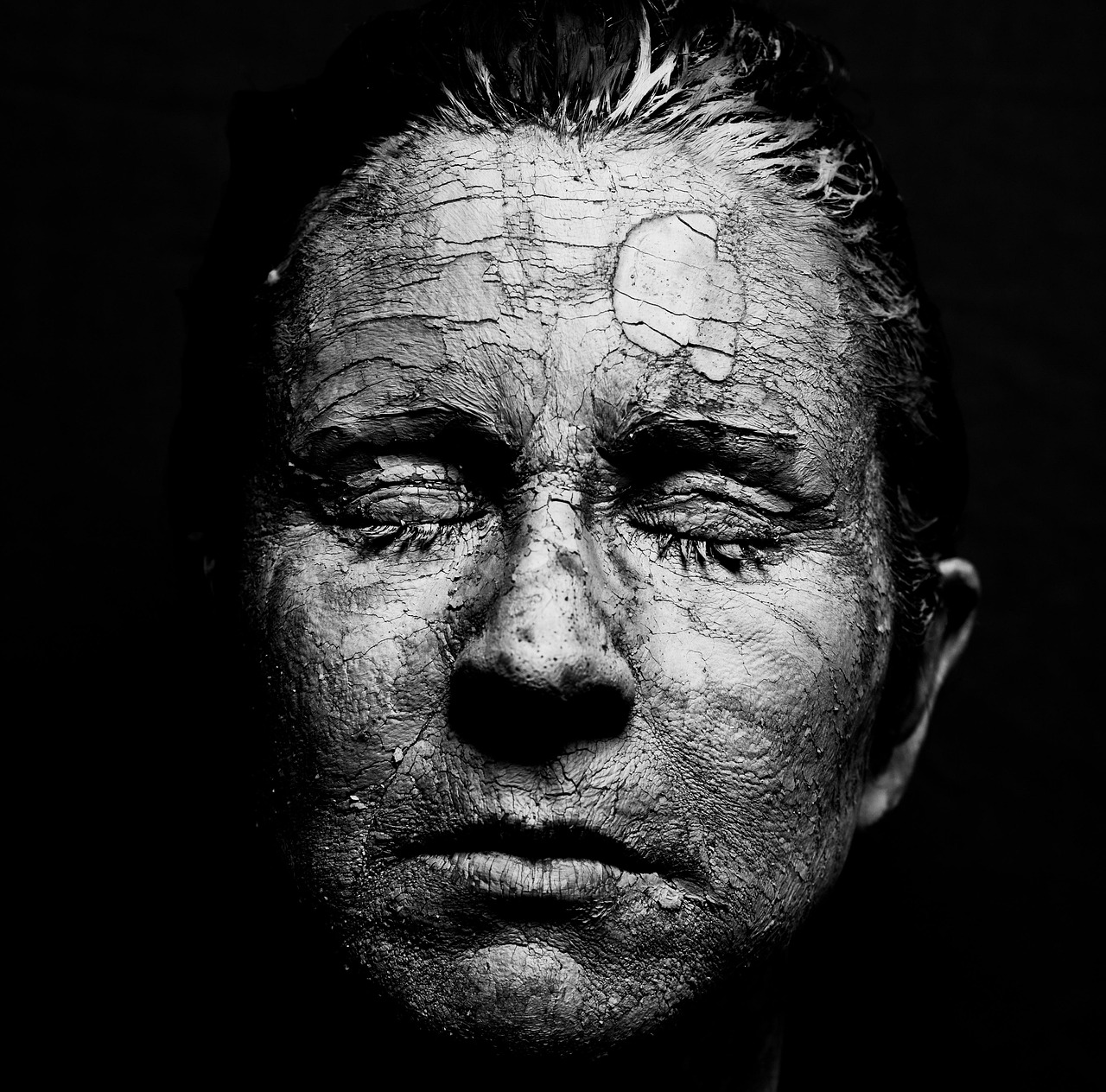

Hydration Strategies to Combat Skin Aging Effects of High-Altitude Training
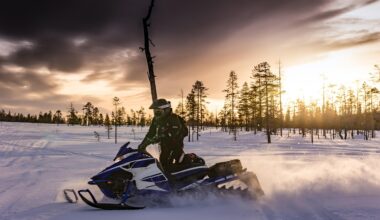
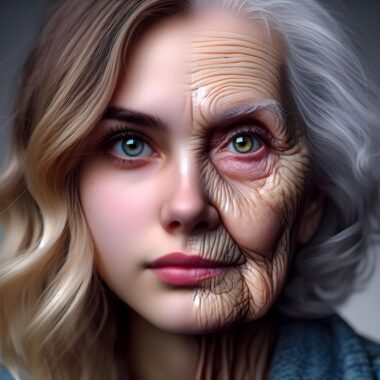
High-altitude training can boost athletic performance but also poses challenges for skin health due to altitude’s impact on hydration levels. In the dry, high-altitude environment, skin moisture evaporates rapidly, leading to dryness and aging effects. Therefore, adequate hydration becomes essential for athletes who train in these conditions. One effective strategy is to increase fluid intake before, during, and after workouts. Consider incorporating electrolyte-rich beverages into your diet, as these can help maintain the body’s fluid balance. Electrolytes are minerals that play a critical role in cellular hydration, especially for athletes exposed to the high-altitude environment. In addition to fluids, incorporating moisture-retaining agents, such as hyaluronic acid and glycerin in your skincare routine, will significantly enhance your skin’s hydration. These ingredients act as humectants, drawing moisture into the skin layers. Don’t forget about effective topical antioxidants like Vitamin C and E to combat free radicals created by environmental stressors found in these challenging conditions. This comprehensive approach can not only promote hydration but also protect skin integrity during high-altitude training. Ultimately, maintaining skin hydration is crucial to slow aging effects.
Another effective strategy to combat skin aging while engaging in high-altitude training involves proper timing and selection of hydration techniques. The timing of hydration is just as important as the amount consumed. Starting hydration well before engaging in any physical activity ensures that the body is adequately prepared. Aim for regular hydration intervals during your workout; every 20 minutes is a good guideline. For athletes, consider using water or sports drinks that contain essential electrolytes. Moreover, after training sessions, prioritize rehydrating with fluids that restore lost minerals, aiding recovery. Furthermore, consuming hydrating foods can significantly contribute to hydration levels. Include fruits and vegetables with high water content in your diet, such as cucumbers, tomatoes, and watermelon. These not only promote hydration but also supply your skin with vital nutrients that support skin health. Incorporating the nutrient-rich ferments and probiotics into the diet can help maintain skin rigidity and elasticity. This comprehensive approach fosters a holistic skin care routine, reducing the visible effects of skin aging. Remember, nourishing your body from within directly impacts your skin’s appearance and resilience, especially during intense training periods.
The Role of Moisturizers in Hydration
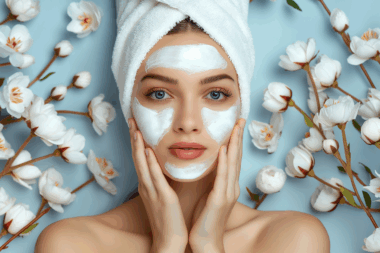
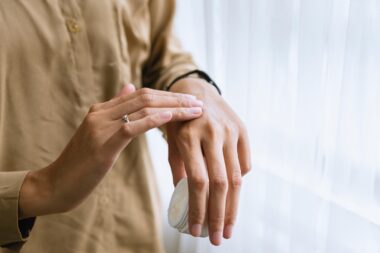
High-altitude environments reduce skin’s natural moisture. This leads to a necessity for quality moisturizers that provide hydration and protection against external stresses. Look for products that contain occlusive agents to lock in moisture, such as dimethicone or petrolatum. Occlusives create a protective barrier on the skin’s surface, preventing transepidermal water loss. Choosing moisturizers with humectants is also important since they attract water from the air and deeper skin layers. Glycerin, urea, and ceramides playa pivotal role in maximum hydration retention. Combining both occlusives and humectants can yield optimal results. Moreover, consider utilizing products that come with added SPF. High-altitude exposure can increase UV radiation, leading to accelerated skin aging. Therefore, wearing a moisturizer with broad-spectrum sun protection is strongly recommended for outdoor activities at altitude. Integrating a nighttime moisturizer can also significantly benefit skin hydration. These products allow for overnight absorption, further enhancing skin hydration, allowing athletes’ skins to repair during the sleeping hours. Simply applying these systematic practices will provide robust hydration strategies to combat skin aging effectively.
A key consideration for athletes concerned about hydration and skin aging while training at altitude is their overall dietary habits. It is crucial to emphasize the consumption of key nutrients that support both skin health and overall hydration. For instance, essential fatty acids, such as omega-3s, can be beneficial for maintaining skin’s moisture barrier. Foods rich in omega-3s like flaxseeds, walnuts, and fatty fish, should be incorporated into the diet. Additionally, antioxidants like beta-carotene and vitamins A, C, and E are vital for combatting oxidative stress and supporting skin repair processes. Fruits like oranges and blueberries are tasty choices that also contribute to hydration and provide support for skin elasticity. Proper hydration isn’t solely about water intake; it also connects deeply to diet. Additionally, keep in mind the role of minerals, particularly zinc and selenium, which are essential for skin health. Incorporate foods like nuts, seeds, and whole grains into the daily consumption routine. These will help nurture the skin and retard signs of aging, thus promoting a youthful appearance while training at high altitudes.
The Importance of Consistent Hydration Practices
Consistency in hydration practices cannot be overstated, especially when engaged in high-altitude training. Establish a daily routine that combines regular water intake with targeted skin-care hydration strategies. Setting reminders on your phone or using hydration tracking apps can promote consistent water intake throughout the day. Further, keeping a water bottle in sight ensures you’re constantly reminded to sip water, especially if your routine gets busy. Practicing mindful hydration techniques while engaged in physical activity can also lead to better skin preservation. Taking breaks to hydrate during training and cooling down will maintain hydration levels. Consider setting up hydration stations during long training sessions—easily accessible water sources or nutrient beverages can assist in effective hydration. Additionally, understanding your body’s unique hydration needs is essential. Factors such as altitude, the level of training intensity, and individual sweat rates play significant roles in determining hydration requirements. Be attentive to signs of dehydration, such as fatigue and dizziness, which can also contribute to accelerated skin aging. Staying proactive in hydration enables not just peak athletic performance but also preserves skin health over time.
Ultimately, successful hydration strategies require a mindful approach tailored for high-altitude training environments. Combining different hydration methods—water, electrolyte drinks, nutrient-rich foods—profoundly affects hydration levels and skin health. Moreover, lifestyle adjustments such as using knowledgeable skincare products and establishing hydration routines are just as critical. Evaluate your skincare products to ensure they don’t contain harsh fillers that can compromise skin integrity at altitude. Opt for natural, hydrating ingredients such as aloe vera and chamomile, which help soothe and nourish dehydrated skin. Also, remember to regularly update your skincare routine according to the changing seasons or training intensity; this flexibility will help adapt to skin’s condition. Don’t underestimate the profound impact climate has on skin aging while training in high-altitudes. Utilize both topical and internal hydration methods for superior results. Monitoring your skin’s reaction to these strategies can also guide the necessary adjustments in your routine. By diligently following these hydration strategies, you can combat skin aging effectively, ensuring that your skin remains vibrant and youthful even amidst the challenges of high-altitude training.
To summarize, the connection between hydration strategies, skin aging, and high-altitude training is evident. Athletes must recognize the importance of staying hydrated to combat skin’s aging process while confronting high-altitude challenges. By implementing a comprehensive hydration strategy that respects both internal and external aspects of skin health, your approach to training can become holistic and effective. Remember that aging is a natural process, but intelligent hydration and nutrition practices can significantly delay its visible effects. Monitoring your hydration, adjusting dietary habits, and establishing an effective skincare routine are essential steps in safeguarding your skin’s integrity. As you embrace these strategies, you’ll find that your skin health becomes increasingly resilient, ultimately enhancing your training experience and performance. It’s important to keep in mind that skin hydration is a long-term commitment. Taking small, consistent steps in fluid intake, skincare routines, and dietary choices adds up over time, resulting in significant changes to your skin’s complexion and resilience. Thus, always be mindful of your personal needs and tweak strategies accordingly for your unique skin. Through diligent care, you can protect and nurture your skin during all stages of athletic training at high altitude.
In conclusion, adapting hydration strategies that address the effects of high-altitude training on skin aging is vital for all athletes. The combined approach of consuming adequate fluids, using appropriate skincare, and adjusting dietary habits enhances both athletic performance and skin health. Athletes are encouraged to experiment with various routines to find their perfect balance for hydration. Engaging in regular check-ins with your hydration and skincare practices can also promote an evolving routine that meets your skin’s needs as you progress. Knowledge and adaptability serve as key components in ensuring that athletes remain prepared for the physical and environmental challenges posed by high altitude. Embracing these practices not only mitigates immediate concerns such as dryness but leads to long-lasting improvements in skin vitality and youthful appearance. Remember, your skin is an athlete’s largest organ and reflects overall health and well-being. Take pride in your hydration strategies, and ensure they inform and enhance your training ethos as a whole. By doing so, you will reap the benefits of beautiful, healthy skin while successfully managing performance in the high-altitude arena.