
Yoga for Seniors: Safe Flexibility and Mobility Exercises
Yoga is a wonderful practice that promotes flexibility and mobility effectively, making it an excellent choice for seniors. As we age, maintaining flexibility becomes increasingly vital to prevent injuries and enhance overall quality of life. Gentle yoga routines designed specifically for older adults can foster improved balance, strengthen muscles, and increase range of motion. By integrating yoga into a regular fitness regimen, seniors can experience newfound freedom in their physical movements. It’s essential to focus on techniques that align with each individual’s abilities and health conditions; always consult with healthcare professionals before beginning any new exercise program. Practicing yoga encourages seniors to develop a more profound connection between mind and body, which can bring about feelings of peace and well-being. In addition to physical benefits, many seniors find that yoga helps reduce stress and anxiety, leading to enhanced mental clarity and emotional stability. Thus, participating in yoga sessions can be a holistic approach toward fostering resilience against the typical challenges of aging.
Flexibility exercises in yoga often include simple stretches that target key areas of the body. One starting point could involve seated forward bends where seniors gently lean forward from a sitting position, reaching toward their feet while keeping the spine straight. These movements help stretch hamstrings and lower back muscles, promoting improved flexibility. Additionally, standing side bends can effectively enhance lateral flexibility, allowing seniors to safely and gradually increase their range of motion. It’s crucial to maintain proper posture throughout these exercises, ensuring that the body remains aligned to prevent any strain or injury. Furthermore, the addition of props, like yoga blocks or straps, can significantly improve ease and comfort during stretches, allowing for modifications when needed. Breathing techniques also play a vital role; seniors should focus on slow, deep breaths that coincide with their movements. Integrating mindfulness within the practice leads to a more enriching experience, allowing for better body awareness and control. Overall, gentle yoga movements foster a spirit of encouragement and accomplishment, vital for maintaining enthusiasm towards regular exercise routines.
Balance and Stability Enhancements
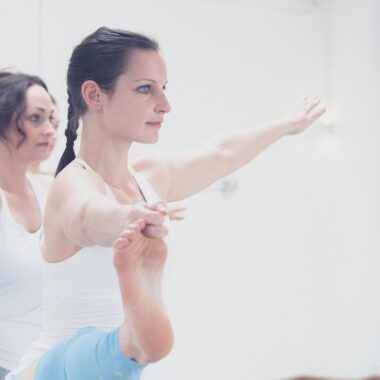
Incorporating balance poses into yoga classes specifically tailored for seniors significantly improves stability and core strength. Poses such as Tree Pose or Warrior III challenge seniors to engage their muscles while focusing on maintaining balance, which can reduce fall risk. Effective balance exercises contribute to better overall coordination during daily activities, promoting a more active lifestyle. Engaging in yoga classes with a supportive group creates an environment where seniors feel safe experimenting with their abilities while safely practicing balance. Consistent participation in yoga will help develop proprioception, the body’s ability to sense its position in space, ensuring longer-term benefits. Additionally, seniors should remember to utilize walls or sturdy chairs to provide support while practicing new balance poses, preventing any potential injuries or falls. It’s important to honor the body’s limits and to avoid pushing into discomfort; modifications and alternatives should always be available. Encouraging seniors to take their time with these poses and cultivate patience is also beneficial. Integrating adjustable techniques ensures that all participants can experience the joy of movement while enhancing both strength and balance.
Breath control in yoga, also known as pranayama, engages seniors in focusing on their breathing patterns, which is vital for enhancing flexibility and mobility. Learning to synchronize movement with breath not only promotes relaxation but also supports mental clarity throughout practice. Seniors can practice breathing exercises like Dirga Pranayama, which focuses on deep, diaphragmatic breathing, enhancing lung capacity while calming the nervous system. Incorporating this breathing technique provides essential oxygen to the muscles, enabling better flexibility during stretches. Furthermore, the process of slow, controlled breathing can facilitate deeper stretches by helping the body relax into poses more comfortably. It is highly beneficial for seniors to focus on each inhale and exhale, cultivating awareness of how the body resonates with breath during movement. Finding a steady rhythm while practicing yoga can aid in reducing stress levels and increasing overall body awareness. By consciously integrating breath throughout their routines, seniors can create a more enriching practice that promotes clarity of thought and emotional balance alongside physical well-being. Making breathing exercises a familiar practice can foster longevity in their yoga journey.
Safe Practices and Precautions
As seniors engage in yoga for flexibility and mobility, safety precautions cannot be overstated. It’s imperative to listen to their bodies and recognize when to ease off or adjust poses to prevent injury. Understanding individual limitations is key; seniors should never attempt poses that cause pain or discomfort. It’s essential to focus on gentle flow and prioritizing restorative practices over high-intensity sessions. Consulting a certified yoga instructor experienced in working with older adults is recommended to ensure exercises are accessible and effective. While it’s great to challenge oneself, seniors must recognize that progress takes time. Modifications using props like bolsters, cushions, and straps can facilitate comfort during practice, allowing for smoother transitions into poses. Additionally, maintaining proper hydration before and after exercise ensures consistent energy levels. Playing calming music or establishing a tranquil environment can make yoga sessions more enjoyable and help seniors remain engaged. Ultimately, the priority should always be enjoyment and connection to the practice rather than striving for perfection. With the right mindset and approaches, seniors can participate in yoga safely and results-driven.
Community is vital for encouraging sustained participation in yoga routines among seniors. Building a supportive environment fosters relationships and encourages motivation to regularly practice flexibility and mobility exercises. Many local studios and community centers offer senior-specific yoga classes designed to enhance the health and well-being of participants. Engaging in group classes allows seniors to share their experiences and learn from one another, creating a strong support system. This shared journey can lead to friendships that enhance the enjoyment of yoga practice. Additionally, offering opportunities for gentle social interactions outside of yoga can cultivate camaraderie and enhance overall well-being. It’s essential for seniors to feel a sense of belonging during their fitness routines, which will ultimately lead to continued improvement in mobility and flexibility. When seniors celebrate their small achievements together, it fosters an enriching environment of encouragement and support. Parents, caregivers, and family members can also take an active role in participating alongside seniors, further solidifying their commitment to fitness. Ultimately, the balance of social interaction, continual improvement, and mindfulness ensures a fulfilling experience for senior yoga enthusiasts.
Conclusion: Embracing Yoga for a Healthier Life
In conclusion, yoga emerges as a remarkable practice promoting flexibility and mobility for seniors while also offering emotional and mental benefits. By embracing this gentle yet impactful form of exercise, seniors can unlock numerous advantages vital for maintaining a healthy and active lifestyle. Regular yoga practice cultivates strength, balance, breath awareness, and a sense of community, creating a holistic experience that surpasses just physical movement. The adaptability of yoga makes it accessible to all levels, adapting to varying abilities and health challenges. As they develop their yoga practice, seniors can witness transformative benefits both physically and emotionally, contributing to a more enriched life. Encouraging regular attendance in yoga classes expands the opportunities for personal growth and fosters connections with others who share similar goals. The journey of growth is truly unique, and more importantly, yoga offers the benefits of longevity. Ultimately, integrating flexibility and mobility exercises into their routine enhances physical capability while nurturing inner peace. Therefore, seniors should wholeheartedly embrace the unique experiences and joys that yoga brings into their lives.