
Teaching Loving-Kindness Meditation to Children and Teens
Loving-Kindness Meditation is a wonderful practice that encourages compassion, empathy, and positive emotions towards oneself and others. This meditation technique is particularly beneficial for children and teens, as it can greatly enhance their emotional well-being and interpersonal relationships. By introducing them to Loving-Kindness Meditation, we equip them with vital skills to deal with anxiety and stress. As children navigate the complexities of their world, learning to cultivate kindness will help them develop as more compassionate individuals. In this practice, participants typically recite phrases that express good wishes towards themselves and others. This forms a strong foundation for emotional regulation. Research shows that such meditative practices can lead to reduced aggression and increased social acceptance, providing a sense of connectedness. The approach can be introduced in schools, homes, or community groups, fostering a supportive atmosphere. Effective teaching should tailor to the child’s age and understanding, focusing on simple yet meaningful phrases to reinforce positive thoughts. Ultimately, a loving and kind mindset nurtures healthier relationships, boosting self-esteem and resilience in young minds. All these outcomes speak volumes about the importance of integrating mindfulness into the lives of the youth, with techniques like Loving-Kindness Meditation.
The Benefits of Loving-Kindness Meditation
Loving-Kindness Meditation offers a plethora of benefits that are fundamental for children’s emotional health. Firstly, this practice helps in fostering empathy and compassion, which are critical traits for healthy interpersonal relationships. Children who engage in Loving-Kindness Meditation often demonstrate improved emotional intelligence, enabling them to understand and manage their own feelings better. Furthermore, as they learn to extend kindness to themselves and others, they experience a greater sense of connection to the community around them, thereby reducing feelings of isolation. Another significant advantage is its role in mitigating anxiety and stress. By frequently practicing this meditation, children can develop coping mechanisms that provide them with tools to deal with negative emotions effectively. Studies indicate that such practices can lead to improvements in overall well-being, with many reporting enhanced mood and a reduction in symptoms of depression. Loving-Kindness Meditation also allows children to recognize the importance of self-love, promoting a positive self-image. In essence, incorporating this technique into their lives lays a solid foundation for emotional resilience. The engagement of nurturing thoughts creates a ripple effect of positivity, not just for the individual but for everyone around them.
The process of introducing Loving-Kindness Meditation to children involves several steps to ensure clarity and relatability. Begin by explaining the fundamental ideas behind the practice using age-appropriate language and examples. It might be beneficial to use stories or illustrations that highlight themes of kindness and compassion, ensuring the ideas resonate with young minds. After laying the groundwork, lead a simple guided meditation session. Start with just a few minutes, allowing the children to focus on their breath, encouraging a state of relaxation. As they settle in, softly introduce the phrases commonly used in Loving-Kindness Meditation. For example, phrases like, “May I be happy, may I be healthy, may I be safe, may I live with ease” can be utilized. Encourage participants to repeat these phrases for themselves before extending the same wishes to loved ones, acquaintances, and even those they find challenging. Throughout the process, emphasize the importance of visualizing warmth and love while reciting the phrases. This element enhances the emotional depth of the practice, making it more impactful. Importantly, wrap up by encouraging discussions about feelings and experiences, reinforcing the meditation’s value.
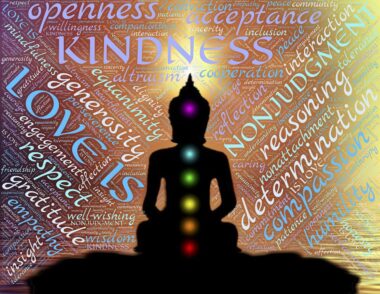
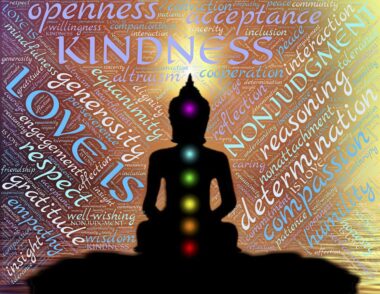
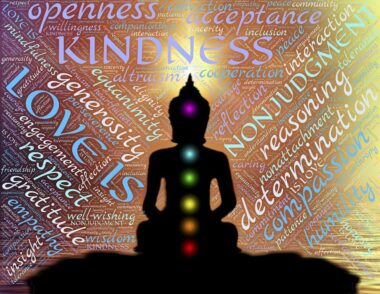
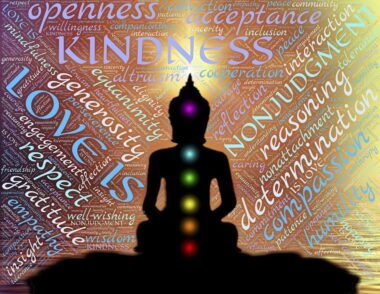
To bring about a successful Loving-Kindness Meditation practice, it is essential to create an environment that encourages openness and acceptance. This atmosphere can be fostered by establishing ground rules for respect and support, allowing every child to participate without fear of judgment. Involving caregivers or teachers in the practice can provide additional encouragement and demonstrate communal involvement. Additionally, consider incorporating visual elements, such as artwork or inspirational quotes, to remind participants of the core principles of Loving-Kindness Meditation. Regular practice sessions can help solidify the benefits, making meditation a routine part of their lives. Setting a specific day and time each week dedicated to this practice ensures children look forward to their meditation practice. Also, offering various formats, such as individual reflections or group discussions, allows for personal expression. Progress may vary among participants, so it’s crucial to celebrate small achievements, fostering a genuine sense of accomplishment. As children begin to notice positive changes in their interactions with one another, encourage them to share their insights. This cycle of learning, sharing, and practicing reinforces the virtues of kindness and compassion that Loving-Kindness Meditation embodies.
Addressing Challenges in Meditation
While incorporating Loving-Kindness Meditation into children’s routines, there might be challenges worth recognizing. Young children may struggle with sitting still and maintaining focus; therefore, it could be beneficial to incorporate active elements, like gentle movements or visualization games, before beginning the actual meditation practice. This approach captures their interest and primes them for a more significant engagement. Additionally, some children may initially feel awkward or hesitant to express kindness toward themselves or others—this is normal. Allowing open communication about these feelings aids in easing discomfort. Encourage them to express why they feel the way they do, which can lead to meaningful discussions about self-worth and validation. It’s also important to be patient. Emphasize that Loving-Kindness Meditation is an ongoing journey, and feelings of discomfort or uncertainty are valid. Introducing the concept incrementally, starting with simple exercises that require minimal time investment, also lowers barriers to engagement. Reflecting on their experiences together afterward nurtures a sense of community among participants. Ultimately, addressing these challenges cultivates resilience and creates a supportive environment where children can thrive and grow.
Integrating Loving-Kindness Meditation into daily educational settings offers profound potential for enhancing the atmosphere within classrooms and communities. Educators can implement this practice during morning meetings or transitions between subjects, allowing young minds to reset and rejuvenate. Not only does this provide a welcoming start to the day, but it also promotes emotional wellness among students. Furthermore, classroom activities emphasizing kindness and connection can reinforce the Loving-Kindness principles beyond meditation sessions. Group projects that celebrate diversity and teamwork also offer opportunities for children to practice empathy in various contexts. After practicing Loving-Kindness Meditation, students might feel a strong inclination to engage in random acts of kindness, fostering a caring atmosphere. Facilitating conversations around their meditation experiences can inspire them to share their good wishes with friends and family. Furthermore, such connections between classroom activities and Loving-Kindness Meditation can solidify its benefits, leading to lasting positive changes in behavior. By embedding practices that encourage kindness throughout various aspects of their education, teachers empower students to create an environment rooted in compassion. In doing so, they may cultivate a generation equipped to handle challenges with resilience and empathy.
Final Thoughts on Loving-Kindness Meditation
As we explore the importance of Loving-Kindness Meditation, it becomes clear that the seeds of compassion and empathy can be planted in the hearts of young individuals for life. This practice nourishes emotional resilience, enables self-awareness, and fosters connections that enrich their surroundings. By teaching children and teens to practice Loving-Kindness Meditation, we not only enhance their individual well-being, but we also contribute to a kinder society overall. Regular practice can lead to long-lasting shifts in perspective, encouraging them to look out for one another and provide support during difficult times. It is essential, however, to remember that consistent reinforcement is critical to sustaining these benefits. Therefore, integrating Loving-Kindness and mindfulness-centered events into school curricula or local community programs can create a supportive network for these practices. Ultimately, as children embrace kindness towards themselves and others, they are equipped with the emotional tools to face the challenges of growing up. In a world that can often feel fragmented and stressful, cultivating Loving-Kindness offers hope and an authentic pathway to connection and love for all.