
Advanced Pilates for Runners and Endurance Athletes
Runners and endurance athletes face unique challenges that can interfere with their performance and overall physical health. Integrating advanced Pilates exercises into a training routine offers significant benefits. These specialized exercises help improve core strength, flexibility, and balance, all of which are crucial for optimal running performance. One major advantage of Pilates is its focus on alignment and controlled movements. This approach minimizes the risk of injury while enhancing power and endurance. Advanced Pilates targets specific muscle groups that often become overworked in runners, contributing to better efficiency. Additionally, developing a strong core stabilizes the pelvis, reducing strain on the lower back and hips. By doing this, athletes can experience fewer injuries and improved posture during runs. Moreover, Pilates encourages mindfulness, helping runners remain in tune with their bodies. Such awareness can enhance mental resilience during long-distance events. As with any exercise program, athletes should consult with professionals to tailor practices suitable for their needs. In this article, we’ll explore various advanced Pilates exercises designed specifically for runners, helping them maximize performance and prepare for rigorous competition.
Benefits of Pilates for Runners
Advanced Pilates exercises can greatly enhance a runner’s performance by improving strength, flexibility, and coordination. Runners who include Pilates in their training routines often experience less discomfort and a greater range of motion. This results from the multi-dimensional focus of Pilates, promoting movements that emphasize stability and support. The balance obtained through Pilates translates into more efficient running patterns. Core strength developed through these exercises helps maintain form, reducing fatigue during long runs. Flexibility is another crucial element tackled; increased flexibility can prevent common injuries like strains and pulls. Improved flexibility in the hips, hamstrings, and calves allows for more effective strides. Additionally, Pilates helps develop mental focus, which is vital during long-distance races. A strong, engaged mind aids in pushing through challenging segments of races and helps athletes stay committed to their pacing strategies. The emphasis on breathing techniques in Pilates also aids runners in learning how to control their breathing during high-intensity efforts. In summary, integrating advanced Pilates exercises leads to numerous physical and mental benefits, making it an essential tool for runners aiming for success in competitive scenarios.
A few effective advanced Pilates exercises specifically cater to runners and endurance athletes. Allowing athletes to work on mobility and stabilization, these movements are designed to strengthen core muscles and enhance overall body awareness. One popular exercise is the “Single Leg Stretch,” where you lay on your back, drawing one knee to your chest while extending the other leg. This targets your lower abdominal muscles while promoting the engagement of the pelvic floor. Another prominent exercise is the “Pelvic Curl,” which helps strengthen the glutes while actively mobilizing the spine. The alignment and articulation obtained from this movement fosters core coordination essential for successful running. Additionally, there’s the “Teaser,” which enhances both balance and core strength, allowing for focused engagement while raising and lowering the torso. To avoid injury, engaging hip muscles during exercises is vital for stabilizing the pelvis and ensuring effective movements. Implementing these exercises into a regular training plan creates stability within the body, enhancing running performance while minimizing injury risks. Before starting, it’s advisable to learn proper techniques from a certified Pilates instructor to ensure effective and safe practice.
Core Stability and Pelvic Alignment
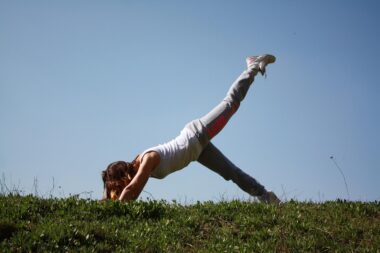
Core stability plays an essential role in a runner’s ability to maintain proper pelvic alignment. When runners possess a strong, intact core, they can efficiently transfer energy from their upper body to their legs, facilitating swift movement without unnecessary strain. One useful advanced Pilates exercise is the “Plank with Leg Lift.” This variation challenges both the core and hip muscles, offering an intensive workout that directly translates to improved running capabilities. Establishing optimum pelvic alignment through Pilates involves exercises that integrate lower back and hip flexor muscles. Such exercises lead to better positioning while running, allowing for increased stride length and overall speed. Another important movement is the “Side Plank,” which enhances lateral stability by strengthening the obliques. This not only assists in maintaining balanced biomechanics but also contributes to the prevention of injuries. Additionally, working on glute engagement and activation is critical. The bridge exercise targets these muscle groups by promoting proper alignment and strengthening the posterior chain. An effective Pilates practice for runners emphasizes core strength, flexibility, and lower-body alignment, facilitating long-term improvements in both speed and endurance during competitions.
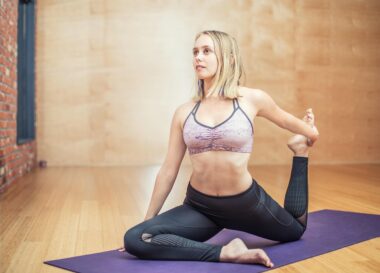
Flexibility is crucial in avoiding injuries during rigorous running events. Advanced Pilates exercises enhance flexibility for runners in various targeted areas. One important exercise is the “Hamstring Stretch with a Roller,” which assists in lengthening the hamstrings while correcting imbalances. It not merely helps improve hamstring flexibility but also focuses on alignment and balance. The inclusion of a foam roller can significantly deepen the stretch and alleviate tightness. Similarly, the “Quadriceps Stretch” is beneficial in extending the front thigh muscles, keeping them flexible and responsive. This extension helps maintain stride efficiency during long distances. To address hip openness, performing the “Pigeon Pose” provides essential release. It’s a stretch that targets the hip flexors, promoting a more extensive range of motion. Alternating through a series of flexion and rotation exercises keeps the body agile. Pilates encourages dynamic flexibility, making mobility more functional for runners. It offers numerous evidence-based benefits towards flexibility, which is essential for maintaining a healthy range of motion. By continuously working on flexibility through Pilates, athletes can ensure better performance and diminished risks of injuries from fatigue or muscle stress during long runs.
Mental Focus and Breathing Techniques
Mental endurance is just as important as physical strength for runners, particularly during extended training sessions or competitive events. Advanced Pilates does not only develop physical prowess but also cultivates mental focus essential during races. As runners turn their attention inward, they can optimize performance by utilizing stable breathing patterns. This attention on breath control allows for improved oxygen intake while exercising. The focus on relaxation techniques during advanced Pilates can be an advantageous strategy to combat race-day nerves. Through deep breathing exercises, taken from Pilates principles, runners can increase calmness and reduce pre-race anxiety. A targeted exercise like “The Saw” can enhance body awareness while encouraging rhythmic breathing. Implementing breathing awareness helps maintain heart rates and provide steady support through challenging segments of a race. Furthermore, breathing synchronizes with movement during Pilates workouts; this synchronicity translates effectively to runners as they learn to manage their energy levels during efforts. The combination of focus and breathing can lead to improved pacing strategies during races and training, fostering both mental and physical endurance. Consequently, integrating these techniques into a training routine cultivates well-rounded athletes.
In conclusion, advanced Pilates exercises hold immense potential for runners and endurance athletes, significantly impacting overall performance. Not only do these exercises foster strength, flexibility, and alignment, but they also promote mental resilience. By working on core strength and stability, athletes can develop a superior level of body awareness and control. Understanding the importance of proper pelvic alignment and reinforcement of the core muscles is essential for effective running mechanics. The various Pilates exercises specifically tailored for runners help create an optimal training regimen that mitigates the risk of injuries. Moreover, the combination of flexibility and core stability leads to improved overall range of motion, contributing to heightened efficiency in running. Further, integrating breathing techniques and mental focus through Pilates practices enables athletes to confront challenges head-on during races. Such development in both body and mind ultimately refines performance levels and enhances competitive advantage. To obtain the best outcomes, it’s highly recommended to work under the guidance of certified instructors. By following personalized Pilates routines geared toward enhancing running performance, athletes can redefine their limits and push boundaries in their respective pursuits.
Whether you’re a beginner or more seasoned in your Pilates journey, advanced techniques tailored for runners can elevate performance. Seamlessly intertwining these movements develops strength, flexibility, and balance while mentally preparing athletes for various challenges. Establishing a robust foundation in Pilates allows runners to gain a distinct edge, ensuring they remain competitive throughout their running career. Practicing regularly forms part of an effective training strategy, minimizing injury risks. Discovering how to become more in tune with one’s body ultimately leads to better execution in races and long workouts. As each athlete is unique, individualized approaches to Pilates will ensure that each person’s needs are effectively met. Overall, advanced Pilates provides transformative benefits for runners looking to enhance their capabilities. Allowing movement to be dynamic, enjoyable, and fulfilling is key in cultivating a successful running journey.