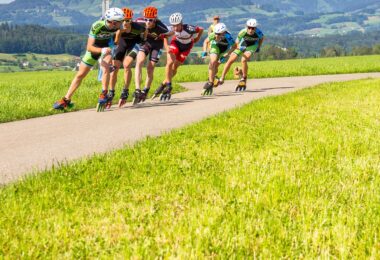

Nutrition Advice for Skaters: A Coach’s Perspective
Skating is an intensive sport that demands an athlete’s best performance and stamina. Proper nutrition is critical for skaters to fully utilize their energy, enhance recovery, and increase overall performance. As a coach, I encourage athletes to consume a balanced diet featuring the right mix of carbohydrates, proteins, and fats. Carbohydrates provide the necessary energy for long skating sessions and should be prioritized. For example, whole grains, fruits, and starchy vegetables are excellent sources. Proteins are vital for muscle repair; thus, include lean meats, dairy, and plant-based proteins in meals. Healthy fats, such as those found in nuts, seeds, and avocados, support overall health and can be added to meals creatively. In addition to focusing on food quality, hydration is often overlooked but equally crucial for performance. Skaters should aim to drink adequate water throughout the day, particularly pre and post-training sessions. Consider incorporating electrolyte-rich drinks for extended sessions, as this replenishes salts lost during activity. Well-rounded nutrition, alongside effective training, paves the way for success on ice.
Another essential aspect of a skater’s diet is meal timing. Fueling the body at the right time can significantly impact performance. Ideally, skaters should consume a high-carbohydrate meal about 3 hours before training sessions, providing ample time for digestion and energy release. Quick pre-training snacks, such as a banana or an energy bar, can also offer an energy boost. After practice, it is crucial to replenish glycogen stores through a combination of carbohydrates and proteins within 30 to 60 minutes, a concept known as the ‘anabolic window.’ This snack could be a protein shake or a turkey sandwich; the options are vast. Snack times should cater to individual needs and preferences, ensuring energy levels stay optimal throughout the day. I encourage skaters to develop their meal plans based on these guidelines, allowing them to understand their bodies better. Additionally, participating in cooking classes or nutrition workshops may help athletes make informed dietary choices. Coaches can guide them in recognizing which foods work best for them, creating personalized plans that will support their unique training regimens effectively.
Importance of Nutritional Variety
Incorporating variety into a skater’s diet is crucial for meeting nutritional needs. Consuming a wide range of foods ensures that the body receives all necessary vitamins and minerals for optimal performance. It’s also essential to avoid food monotony, which can lead to dietary fatigue. Skaters should aim to explore different food groups, such as colorful fruits and vegetables, to boost antioxidant intake. These antioxidants help combat inflammation and oxidative stress, common in high-intensity sports. Techniques like meal prepping can diversify diets while simplifying the cooking process. Try different grains like quinoa, barley, or farro, and experiment with protein sources, including legumes and fish. Creative methods to use leftovers can also add zest to meals. Additionally, being aware of specific nutrient needs throughout the season is important. For instance, skaters might need more carbohydrates during the competition season to meet increased energy requirements while focusing on progressive strength training. Coaches should encourage skaters to check in with their nutrition needs and adjust accordingly, especially as training demands change. With nutrition, consistency and diligence will yield splendid results on the ice.
While focusing on individual foods, skaters should also be mindful of portion sizes. All food groups play a role, but consuming in moderation is key to avoiding energy overload or fatigue. Portion control helps maintain a balanced energy intake that matches training demands. Using the plate method can assist skaters in managing portions visually; filling half of the plate with fruits and vegetables, a quarter with lean proteins, and a quarter with whole grains is ideal. Skaters should also listen to hunger cues, understanding that energy needs may differ from day to day. Regular monitoring through food diaries can enhance awareness of eating habits, leading to better adjustments over time. Exploring intuitive eating principles can guide skaters in establishing a healthy relationship with food. Avoid strict dieting, seeking instead to fuel the body for performance. As coaches, we must educate athletes not only on what to eat but also on mindful eating practices. Encourage them to savor their meals, understanding the importance of food for energy and wellness as they pursue their skating goals. This balanced approach will foster a positive attitude towards nutrition all around.
Supplements for Enhanced Performance
Some skaters consider supplements to enhance performance or fill nutritional gaps. However, these should be approached cautiously. A well-balanced diet typically provides all necessary nutrients, eliminating the need for supplementation in most cases. If skaters opt for supplements, it should be based on specific needs identified through consultation with a nutritionist or healthcare professional. Common supplements that may benefit athletes include protein powders, omega-3 fatty acids, and Vitamin D. Omega-3s can assist in reducing muscle soreness and inflammation, particularly after rigorous training sessions. Protein supplements can serve as convenient options post-workout, especially for those struggling to meet protein needs through food alone. It’s important to thoroughly research the quality of any supplements before use, as not all products are regulated. Looking for third-party testing can provide assurance regarding purity and effectiveness. Furthermore, skaters must understand that supplements are not substitutes for nutritious foods. They should fill in gaps only after a solid nutritional foundation is established. As coaches, we must reinforce the significance of obtaining nutrients predominantly from whole foods while judiciously leveraging supplements only when necessary.
Understanding food choices becomes increasingly important as skaters face pressure during competitions. Stress and anxiety can lead to disordered eating patterns, impacting performance and overall health. Coaches must foster an environment that encourages healthy relationships with food. Accepting that not all foods are
performance boosters and that indulging occasionally is part of a balanced diet will benefit athletes. Discussions around mental health and body positivity are essential. Coaches should take time to educate skaters about the connection between nutrition and both physical and mental performance. Encourage athletes to prioritize their mental well-being as much as physical fitness, as both are essential for effective training. Creating open lines of communication about concerns and running workshops focused on stress management can further aid this process. Being relaxed in their eating habits allows skaters to enjoy their food while still making mindful choices beneficial to their training. Monitoring how food influences mood and energy levels prepares skaters to understand their bodies better. Emphasizing the joys of cooking and sharing meals can forge camaraderie among teammates, enhancing their social bonds. In coaching, it’s essential to visualize nutrition as a broad aspect of the training culture, integrating nutrition education into daily practices. This holistic approach ensures skaters will receive the guidance they need for success on and off the ice.
Conclusion: A Lifelong Nutritional Journey
Nutritional education is a lifelong journey for skaters and coaches alike. Building foundational knowledge from early on ensures athletes are equipped to make informed choices. The effects of nutrition extend well beyond individual competitions; it is a sustainable lifestyle choice impacting both health and performance. Coaches play a crucial role in instilling these beliefs by modeling healthy habits and creating supportive environments. Continuous learning about new research and developments in sports nutrition is essential for coaches to offer the best guidance possible. Encouraging skaters to ask questions and explore their nutritional interests can foster greater engagement with the topic. Utilizing nutrition as a performance tool allows skaters to thrive, both on and off the ice. Skaters must embrace the importance of their diet in achieving their dreams and aspirations. Finally, nurturing a positive food culture within the team can promote resilience and camaraderie—key elements to stage victories. Ultimately, a well-rounded nutritional approach incorporates not just what foods are consumed, but highlights the joy and health benefits that come with making mindful choices—transforming athletes’ lives throughout their skating careers.