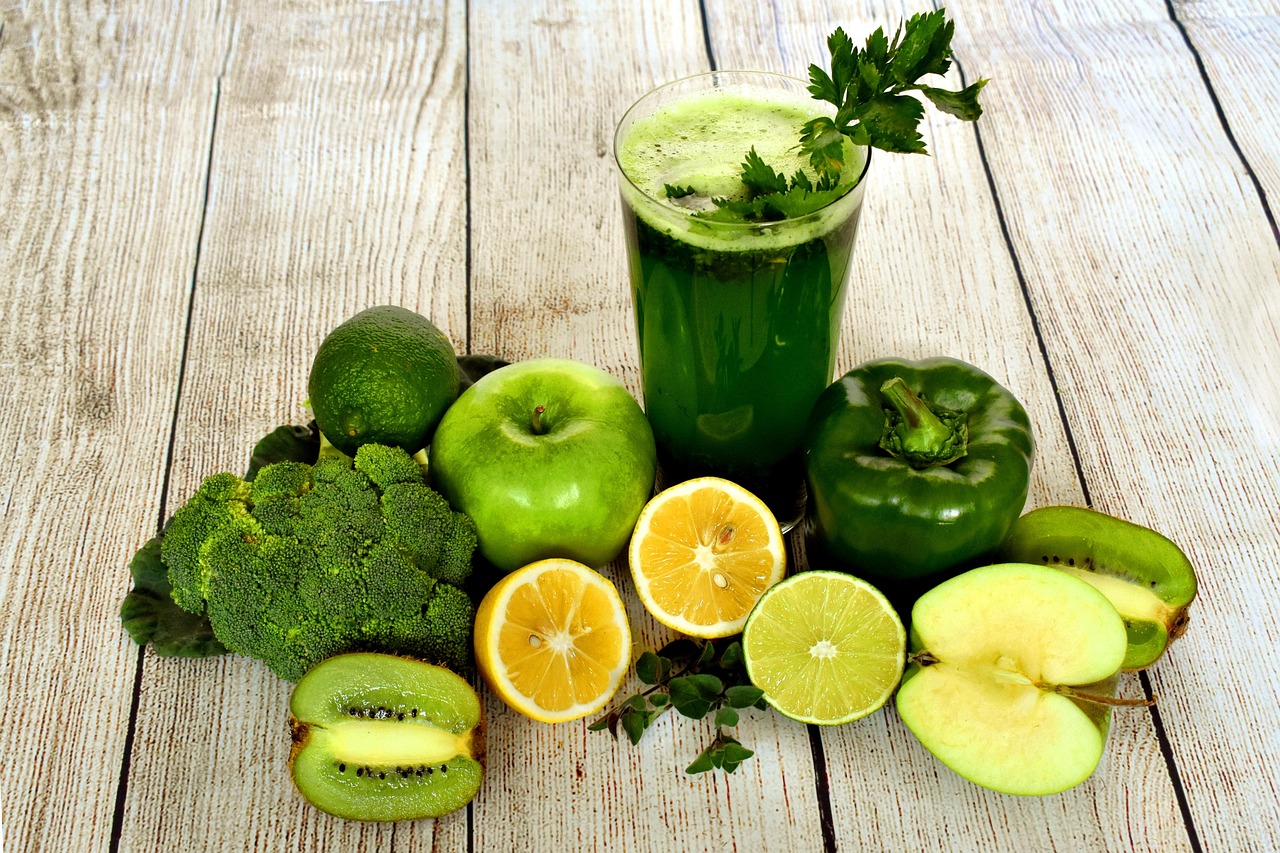

Antioxidants and Recovery: How Male Athletes Benefit
Nutrition plays a critical role in the performance and recovery of male athletes. Among the various nutrients, antioxidants have emerged as key players in facilitating recovery post-exercise. Antioxidants help combat oxidative stress caused by intense physical activity. The body produces free radicals during exercise, leading to inflammation and cellular damage if not managed properly. Including antioxidant-rich foods in a male athlete’s diet can mitigate these harmful effects and enhance recovery. Foods like berries, nuts, and green leafy vegetables are excellent sources of antioxidants, and integrating these into meals can support muscle recovery. The combination of vitamins C and E, along with selenium and beta-carotene, works synergistically to reduce oxidative damage. Moreover, the timing of antioxidant intake can be crucial; consuming them immediately after strenuous workouts may offer heightened benefits. This approach can help male athletes bounce back faster, ultimately improving their overall performance. Nutrition professionals recommend that athletes develop a personalized nutrition plan that incorporates these essential nutrients effectively. This plan enhances recovery, allowing athletes to train harder and more efficiently each day.
In addition to their recovery benefits, antioxidants also bolster immune function. Male athletes often face a higher risk of illness, especially during intense training periods. Regular and rigorous exercise can temporarily suppress the immune system, making athletes susceptible to infections. Antioxidants, such as vitamin C, found in citrus fruits and bell peppers, play an essential role in maintaining immune health. Adequate consumption can help fight inflammation and promote the health of immune cells. Research shows that athletes who consume sufficient antioxidant levels through a balanced diet experience fewer cases of upper respiratory tract infections. Incorporating foods high in antioxidants as part of post-workout meals can aid in recovery and prevention of illness. It is not only about consuming supplements; whole foods provide a broader range of antioxidant benefits. A meal plan, including nuts, seeds, and colorful fruits, increases nutrient intake and overall health. A strong immune system enhances an athlete’s ability to train consistently and maintain peak performance. Thus, emphasizing antioxidants is vital for both recovery and the prevention of fatigue in male athletes.
The Role of Antioxidants in Muscle Recovery
The role of antioxidants in muscle recovery is crucial, particularly for male athletes engaged in high-impact sports. The process of muscle recovery involves repairing damaged muscle fibers, which is vital after strenuous activities. Oxidative stress from intense workouts contributes to muscle fatigue and soreness. Antioxidants fight these effects by neutralizing free radicals and reducing inflammation. Nutrients like quercetin, found in apples and onions, and resveratrol in grapes are effective in this regard. They are known for their ability to enhance muscle repair and decrease recovery time. Male athletes can benefit significantly by incorporating various antioxidant-rich foods into their pre- and post-workout meals. Notably, beetroot is another superfood loaded with nitrates, which also improve blood flow and nutrient delivery to muscles. The enhanced nutrient supply not only aids recovery but also promotes overall performance. Regular consumption of these foods can enable athletes to sustain their training intensity, resulting in improved physical adaptations. Hence, a focus on antioxidants in training diets is essential for optimizing recovery and enhancing performance.
Beyond individual foods, understanding how to combine antioxidants in meals is also important. Male athletes can maximize their nutritional benefits through thoughtful meal planning. Pairing food sources rich in different antioxidants can create a synergistic effect that amplifies their recovery potential. For example, combining spinach, rich in vitamin E, with citrus, high in vitamin C, can boost overall antioxidant absorption and effectiveness. Additionally, integrating healthy fats, such as those from avocados or nuts, can enhance the absorption of fat-soluble vitamins. Athletes should also pay attention to meal timing; for instance, a protein smoothie with berries after a workout can deliver immediate antioxidant support. Moreover, variety is key; by consuming a rainbow of fruits and vegetables, athletes can ensure they consume a wide range of antioxidant compounds. Educating athletes about meal combinations can empower them to make healthier food choices and optimize their recovery. Overall, a strategic approach to meal composition will yield better recovery outcomes and enhance performance in training.
Supplementing Antioxidants: Pros and Cons
While whole foods are the preferred source of antioxidants, many male athletes consider supplements due to convenience and perceived efficacy. However, the effectiveness and necessity of antioxidant supplements can be debated. Some studies suggest that high doses of antioxidant supplements might interfere with training adaptations. Antioxidant supplementation can blunt the body’s natural response to exercise, potentially leading to less improved performance. Nonetheless, athletes might find some antioxidant supplements beneficial in specific situations. For example, those with dietary restrictions or low intake of fruits and vegetables can opt for a multivitamin containing antioxidants. It’s essential for athletes to consult with a qualified nutritionist before starting any supplement regimen. Individual needs vary based on training volume, intensity, and overall health. A balanced diet should continue to be the priority, with supplements acting as an adjunct rather than a substitute. Ultimately, the decision to supplement antioxidants should be personalized, aiming to achieve optimal health and performance outcomes while minimizing potential adverse effects.
Male athletes need to maintain a balanced diet incorporating multiple vitamins and minerals. Such a diet not only supports recovery but also enhances general health and performance levels. Vitamins A, C, E, and zinc all have antioxidant properties and play unique roles in muscle recovery and immune function. Foods rich in these nutrients should be staples in an athlete’s diet. Additionally, hydration is equally important; athletes often overlook the synergistic role water plays in nutrient absorption and overall recovery. Consuming antioxidant-rich foods alongside adequate hydration can amplify their effects, promoting faster recovery rates. In the context of training, ensuring proper hydration can help prevent further oxidative stress during workouts. Electrolyte drinks that contain antioxidants have also gained popularity among athletes to replenish lost nutrients. Ultimately, a comprehensive approach that prioritizes nutrition, hydration, and recovery strategies will empower male athletes to perform at their best. Incorporating a colorful variety of foods, focusing on hydration, and understanding nutrient timing should be central to any athletic diet.
Practical Tips for Including Antioxidants in Diet
To effectively include antioxidants in the diet, male athletes can implement several simple strategies. First, prioritize whole foods over processed options to maximize nutrient intake. Regularly consume a variety of colorful fruits and vegetables, as different colors typically signify different antioxidant compounds. Creating diverse meals not only boosts antioxidant levels but also keeps meals exciting. Incorporating spices like turmeric, which contains curcumin, an effective antioxidant, can enhance dishes and provide additional health benefits. Another approach is to swap snacks; for example, choose nuts, seeds, or fruit over sugary treats for a quick antioxidant-rich fuel boost. Athletes should aim to experiment with new recipes that incorporate antioxidant-rich ingredients, thus expanding their culinary skills and nutritional knowledge. Planning meals ahead can help ensure that antioxidant-rich options are always available, which can facilitate adherence to nutritional goals. Furthermore, preparing smoothies with spinach, berries, and ginger can be an efficient way to consume multiple sources of antioxidants in a delicious package. By integrating these habits into daily routines, male athletes will enhance recovery and overall performance.
In conclusion, antioxidants play a vital role in the recovery process for male athletes. They help mitigate oxidative stress and inflammation caused by rigorous training, thus supporting muscle recovery and immune function. Properly including these nutrients through balanced nutrition is crucial for optimal athletic performance. While supplementation may be beneficial in some cases, consuming whole foods packed with vitamins, minerals, and antioxidants should always be prioritized. Male athletes are encouraged to develop personalized nutrition plans that consider their unique needs and training regimens. This includes integrating a wide variety of antioxidant-rich foods while maintaining hydration. By embracing a holistic approach to nutrition, athletes can ensure their bodies are equipped to recover effectively and perform at their peak. The journey to athletic excellence starts with what athletes eat, and making informed dietary choices can lead to long-lasting improvements in performance outcomes. Thus, focusing on antioxidant intake should be seen as an integral aspect of training and recovery plans, ultimately ensuring sustained progress and success in their athletic endeavors.