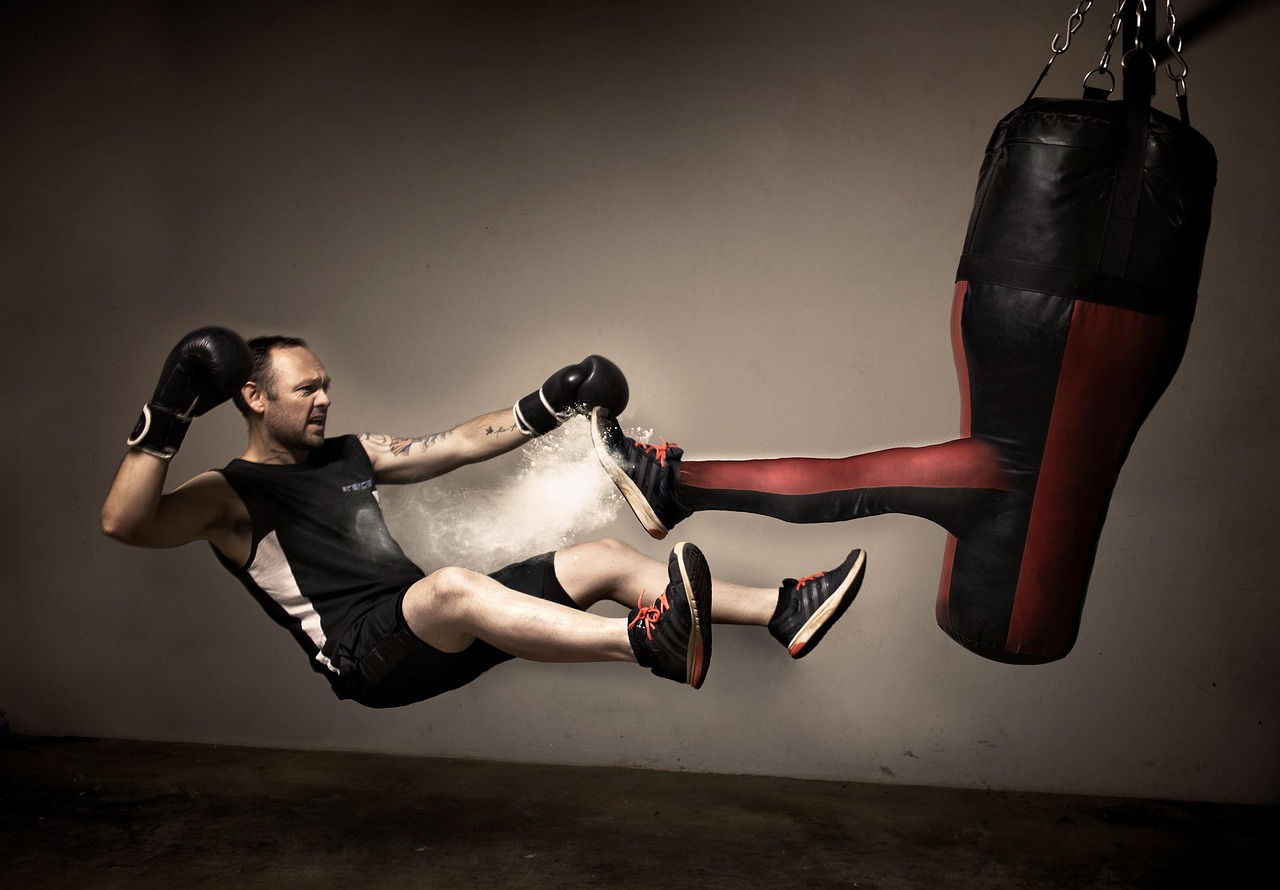

Kickboxing Training Schedule for Improving Speed and Agility
Speed and agility are crucial components in kickboxing, affecting both attack and defense. Incorporating a structured training schedule tailored to enhance these skills is therefore essential. Starting with warm-up sessions, ensure you engage in dynamic stretching exercises that prepare the muscles for rigorous workouts. Focus on leg lifts, arm circles, and torso twists to increase flexibility. Additionally, schedule quick footwork drills that improve reflexes and coordination. Shadow boxing can also be beneficial as it encourages faster movements without the risk of impact. Ensure to practice different striking combinations to maximize speed and precision. Supplement your training with plyometric exercises like box jumps and burpees, which increase explosive power in your limbs. These workouts boost muscle responsiveness, directly improving agility. Moreover, integrating sprint intervals within your schedule enhances cardiovascular fitness and speed over short distances. Keep track of your progress weekly, noting improvements in both timing and techniques executed. Using a fitness app can facilitate this process, allowing for a detailed view of advancements. Thus, the implementation of this comprehensive training schedule might significantly elevate your kickboxing performance in a short period.
As you dive deeper into kickboxing, the importance of a well-rounded training program becomes evident. Each training day should consist of various components to avoid monotony while targeting different muscle groups effectively. Incorporate drills focusing on upper body strength, including push-ups and resistance training. It’s essential to alternate between higher intensity and lower intensity sessions, offering your body adequate recovery time. Include speed ladder exercises to enhance foot speed and agility, essential for dodging attacks and countering effectively. Pair these activities with core strengthening exercises like planks and medicine ball workouts. Developing a strong core affects balance and stability during quick movements. Remember to add sparring sessions that simulate actual fights, enabling you to apply speed and agility under pressure. Make the most of training by integrating techniques learned through video analysis. Study professional kickboxers to better understand effective movements and strategies. Form partnerships with training peers for mutual support and increased motivation. Evaluate performance based on specific metrics such as speed drills and agility tests to ensure continual improvement. Regular assessments will highlight areas needing focus, allowing you to adapt your program efficiently.
Weekly Training Schedule Overview
A well-planned weekly training schedule can significantly enhance your kickboxing speed and agility. Start your week with a strong emphasis on conditioning to build endurance. Begin on Mondays with a 30-minute run, followed by agility drills. Include cone drills that require you to pivot quickly and maintain balance. On Tuesdays, focus on upper body workouts to strengthen your punches. Incorporate heavy bag sessions, working on combinations that develop both speed and strength. On Wednesdays, prioritize agility drills through jumping rope and shadow boxing. Thursday can be a rest day or light recovery session that includes yoga or stretching. This practice aids in muscle recovery while encouraging flexibility essential for kickboxing. Fridays should go back to higher intensity with sprint intervals, aiding in speed development. Saturdays can be dedicated to sparring, allowing you to apply learned techniques in real-time scenarios. Finally, on Sundays, assess your week’s training, note down progress in speed measurements, and adjust the upcoming week’s focus. This cycling approach aids in maintaining motivation and ensuring balanced development across skills.
To achieve the best results, adapting your training schedule to your personal progress and feedback is essential. Utilize technology to monitor your kicks’ speed, utilizing apps or tracking devices that can provide real-time data. These tools create benchmarks for your training, allowing for tailored adjustments when required. Setting clear, achievable goals keeps motivation levels high throughout the training process. Consider joining a kickboxing group or gym that fosters a community environment, enhancing your learning experience. Seek guidance from experienced coaches who can provide essential feedback on your technique and approach. They can recommend specific drills focusing on agility and speed, lending to your overall development in the sport. Enhancing mental toughness is equally crucial; incorporate visualization techniques, where you picture executing your moves flawlessly amongst a boxing ring. This practice can increase confidence and improve reaction times. Make it a point to engage in restorative practices post-training like ice baths or massages, helping your body recover swiftly. These routines aid in sustaining a high training frequency while minimizing risk of injuries, which is paramount for long-term athletic growth.
Nutritional Support for Speed and Agility
Your training schedule should be complemented by a balanced diet focusing on nutritional support for optimal performance. Eating complex carbohydrates is fundamental in providing the necessary energy for intensive workouts. Foods like whole grains, fruits, and vegetables should fill your plate to sustain energy levels. Protein is equally important and should be included in every meal, helping repair and build muscles to withstand the training schedule. Lean meats, fish, and legumes are excellent sources of protein. Incorporate healthy fats, primarily sourced from nuts, seeds, and avocados, promoting sustained energy and improving overall body function. Hydration plays an undeniable role in maintaining performance; ensure to drink ample water throughout the day and during your sessions. A well-hydrated body improves recovery rates and enhances physical performance under stressful conditions. Don’t shy away from seeking advice from nutritionists specializing in sports diets; they can help tailor a plan that aligns precisely with your kickboxing goals. Meal prepping on a weekly basis is also advisable, allowing you to plan ahead and avoid unhealthy eating habits that deter progress.
Tracking your progress in kickboxing is as essential as the training program itself. Keeping a training log helps identify patterns and highlights areas where more focus is needed, be it speed or agility drills. Use a simple format to record your workouts, including the types of exercises performed and the duration spent on each. After some time, evaluate your progress through physical testing, comparing previous timings with recent ones. This tracking provides insight into your development and helps establish new personal records, motivating you to push even harder. Engaging with fellow participants or trainers can create a healthy competitive atmosphere, encouraging improvements through mutual respect and support. Always celebrate small victories; this builds confidence and resilience over time, making progression possible even amidst challenges. Install a visual reminder of your kickboxing objectives within your training area. This could be a motivational quote or a photo of your desired outcome. Such reminders can keep you focused during those tough training days. Reinforce positive mental habits as they significantly complement physical training, culminating in a more robust kickboxing ability and heightened performance during competitions and practices.
Final Thoughts and Recommendations
In conclusion, an effective training schedule focused on speed and agility is essential for any kickboxer looking to elevate their performance. Adapt the proposed routines, exercises, and nutritional habits to suit your individual needs and lifestyle. Regular evaluations and adjustments based on monitoring results ensure continued improvements and avoid plateaus. Remember to integrate not only physical training but also mental preparation, as both areas interact significantly in competitive situations. Engage in community-based activities around kickboxing to enhance social support and foster motivation amongst peers. The journey of mastering kickboxing is an ongoing process that evolves with your dedication and perseverance. Set achievable goals that provide a roadmap for your progression and simultaneously promote a sense of accomplishment. The cultivation of supportive relationships with coaches and fellow athletes adds depth to your experience. Lastly, never hesitate to seek out trial lessons to find the right environment for you. The perfect blend of training, nutrition, monitoring, and mental toughness can lead to exceptional results in speed and agility within your kickboxing journey.