
Curling Terminology: A Glossary for New Players
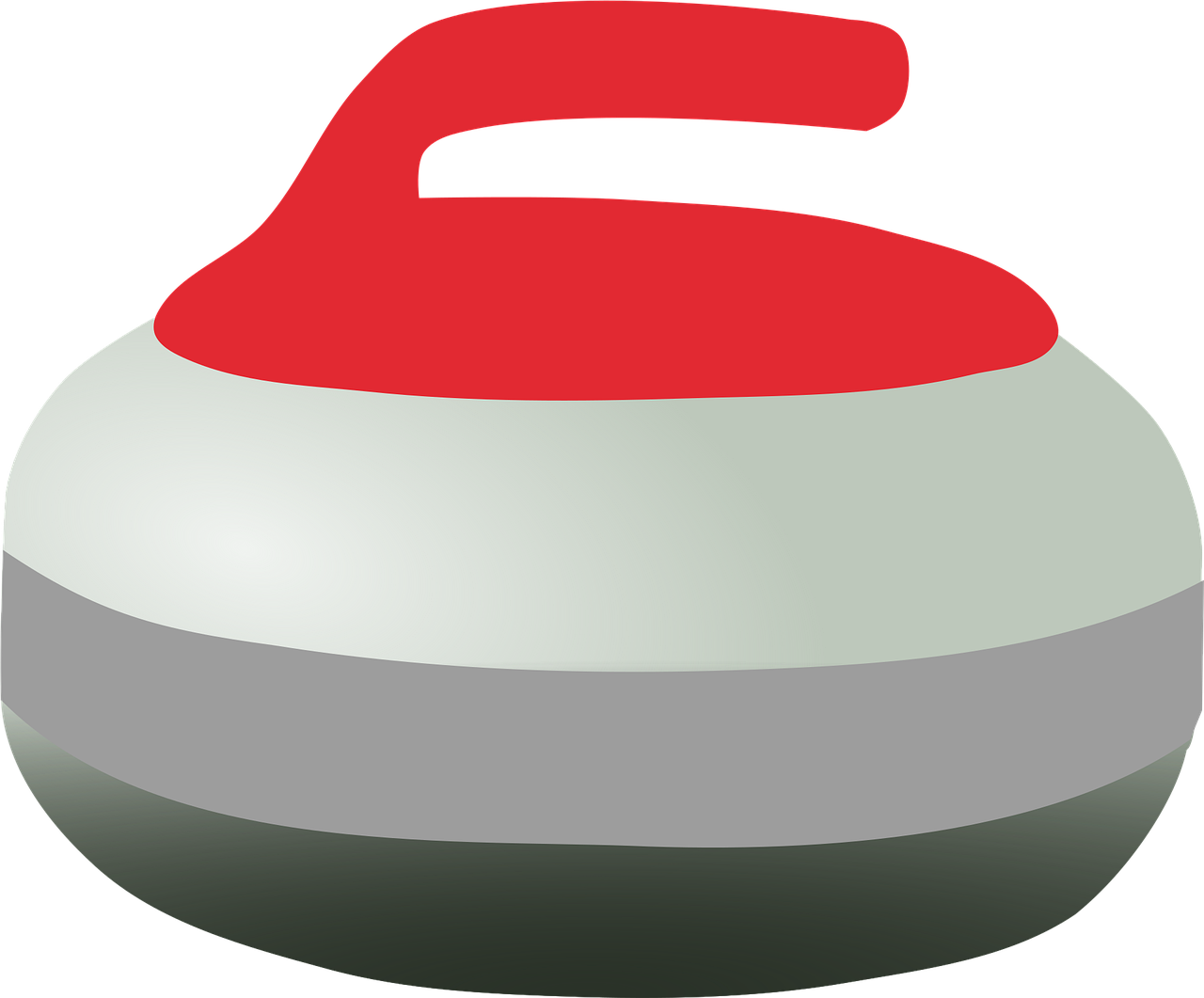
Curling is a strategy-driven sport with unique terminology that can be confusing for newcomers. Understanding the basic terms will enhance your experience during games. Here are essential terms: First is “stone”; the granite rocks used are called stones, which players slide on the ice toward the target area. The “house” is the circular area you aim for. Within the house, different rings indicate point values. The “lead” is typically the first player to throw stones in a team. Another key term is “skip”; this player directs the team and makes strategic decisions. “Sweeping” involves players brushing the ice in front of the stone to control its speed and direction. There is also “guard”, a stone placed to protect other stones. Understanding these terms facilitates communication during the game. As you learn each aspect, you’ll appreciate curling’s complexities and strategies. Also, watching experienced players can help you grasp the terminology. So, familiarize yourself with these terms as they form the foundation of your understanding of the sport!
The curling “end” refers to a complete round in the game, similar to innings in baseball. Each team takes turns delivering stones until all stones are played. Scoring in curling occurs after each end, with teams earning points based on the location of their stones within the house. The term “hammer” refers to the team that throws the last stone in the end, generally considered an advantage. “Takeout” is a tactical shot intended to remove an opponent’s stone from play. In contrast, a “draw” aims to land a stone within the house. Players often execute “peels” to displace guards or opponent stones strategically. Additionally, “line” refers to the intended path of a thrown stone and “weight” describes how hard a stone is thrown. Recognizing these terms makes playing and watching more engaging and enjoyable. New players who commit to understanding terminology will find success and connection with the sport. As you practice, regularly review these terms to boost your game’s integrity and strategy. Ultimately, curling is a blend of skill and strategy, highlighted by its rich vocabulary.
Essential Curling Equipment and Terms
To excel in curling, familiarity with equipment is crucial. The “curling broom” is essential for sweeping and is designed to help guide the stone on the ice. Skilled players use a broom to influence a stone’s trajectory strategically. Another crucial equipment piece is the “curling shoe”; one shoe has a slippery sole to slide on the ice, while the other provides traction for stability while throwing. Additionally, teams use “stones” made of granite, offering superior quality for consistent play. Protective gear, such as knee pads, may be advisable since players often kneel during sweeping. Also, “brush heads” can be replaced if worn out, ensuring optimum performance. Each player’s equipment must be of high quality, as it’s vital for gameplay. Understanding how equipment affects your performance brings another layer to the sport. Whether you are new or seasoned, ensure your gear is well-suited for optimal results. As you embrace curling, remember that proper equipment will help improve your gameplay, and being comfortable will enhance your experience on and off the ice.
In curling, strategies are fundamental, with many terms used to guide players in making optimal shots. One vital term is the “angle”, which describes the position of the stone relative to others. The ability to read angles correctly is essential for positioning your stone effectively. The term “split” refers to a shot that targets multiple stones, aiming to cause favorable outcomes. Understanding “strategy” behind every shot will help you to plan your moves and react appropriately to your opponent’s actions. Players discuss strategies with their teammates, often utilizing specific terms like “freeze”; when a stone lands right against another, limiting scoring options for opponents. Furthermore, recognizing a “rock” is crucial; this can refer to a stone or a strategy to hinder opponents’ attempts. Therefore, mastering these strategic terms enables players to analyze situations constructively. Team discussions are pivotal during games, so understanding tactical terminology effectively streamlines communication. With time and practice, the strategy within curling becomes clearer, enriching your overall enjoyment of the game. The complex nature of curling demands thoughtful strategy based on common terminology, bridging knowledge and execution.
Curling Etiquette and Sportsmanship
Understanding curling etiquette is crucial for new players. Respect for opponents and the ice is paramount. Players must shake hands before and after matches to maintain goodwill and camaraderie. Furthermore, maintaining silence while someone is preparing to deliver their stone reflects respect for focus. When sweeping, players should avoid obstructing others to ensure unencumbered gameplay. Improper behavior, such as excessive celebrating or discourteous comments toward opponents, is frowned upon and can lead to negative experiences. Engaging in healthy conduct upholds the sport’s integrity and fosters a positive environment for everyone involved. Always clean your shoes before stepping onto the ice to maintain its quality. Protecting the ice is essential to ensure all players have a fair and enjoyable experience. Constraining aggressive remarks is vital, ensuring everyone feels comfortable and respected during games. Curling relies heavily on sportsmanship, making it a community-oriented sport rather than just competition. Being mindful of etiquette ensures a safe and enjoyable environment conducive to improvement and enjoyment. The gracious spirit within the curling community invites new players to grow and form lasting friendships and bonds through shared experiences.
Curling matches consist of four ends in traditional play, but competitions may vary in format. Each end presents new opportunities to employ learned terminology and strategies effectively. As you practice, remember to adapt your methods to the experience level of opponents and teammates. Additionally, understanding how weather conditions impact ice quality is essential, as it can affect stone behavior. Curling ice can be challenging due to variations caused by temperature and humidity; thus, players must stay aware to adjust their gameplay accordingly. While competing, employing effective communication with teammates is critical, especially in intricate plays. The “indicator” is a sign placed on the ice to show team scores or relevant game information. Players react dynamically to unfolding scenarios, requiring on-the-spot decision-making. Building connections between terminology and actions will enhance your strategy and effectiveness in games. Feeling comfortable discussing these terms with teammates fosters teamwork and creates a fun atmosphere. To improve, engage in constant dialogue regarding strategy and shots throughout matches. It leads to a deeper understanding of curling and a more fulfilling journey as a new player in this beloved sport.
Conclusion and Further Learning Resources
Becoming comfortable with curling terminology paves the way for future success and enjoyment in the sport. The journey as a new player encompasses continuous learning and improvement. Engaging in frequent practice and discussions with fellow players solidifies your understanding and skillset. Resources such as instructional videos are invaluable for visualizing techniques and strategies. Joining local curling clubs also promotes immersive experiences, allowing players to learn from seasoned members. Online platforms, forums, and books on curling further enrich your knowledge. Aside from practicing terminology, understanding strategies through reflection transforms gameplay. Grasping game dynamics while familiar with curling terminology enhances future competitive performance. Moreover, expanding your vocabulary and knowledge aids in creating more profound connections with teammates and the sport. Participating in community events enhances both skill and enjoyment and connects you with curling enthusiasts. Remember that curling isn’t merely about competition; it emphasizes community and teamwork. Ultimately, savor the journey you take in curling, as the sport continues to teach its players invaluable lessons and build lifelong friendships.
As you continue exploring curling, be mindful that this comprehensive glossary will serve as a reference guide for all terms. Each term mentioned holds significance within the context of the sport. This glossary shapes how players communicate while strategizing and executing various plays. As new players venture into the game, this terminology will equip them with fundamental knowledge to elevate their performance. Embrace each part of the process, reaffirming your determination to master the game. With dedication and practice, your competence in curling will resonate through your enhanced skills, understanding of the game, and the respect you earn within the community. Remember to always prioritize fun and camaraderie as you challenge yourself, and appreciate that everyone is on a unique learning journey. The relationships you cultivate while learning can become some of your greatest assets in curling. Take advantage of available resources, asking questions to experienced players or coaches to deepen your understanding. Lastly, welcome every game as a new opportunity to grow, engage, and enjoy the wonderful world of curling!