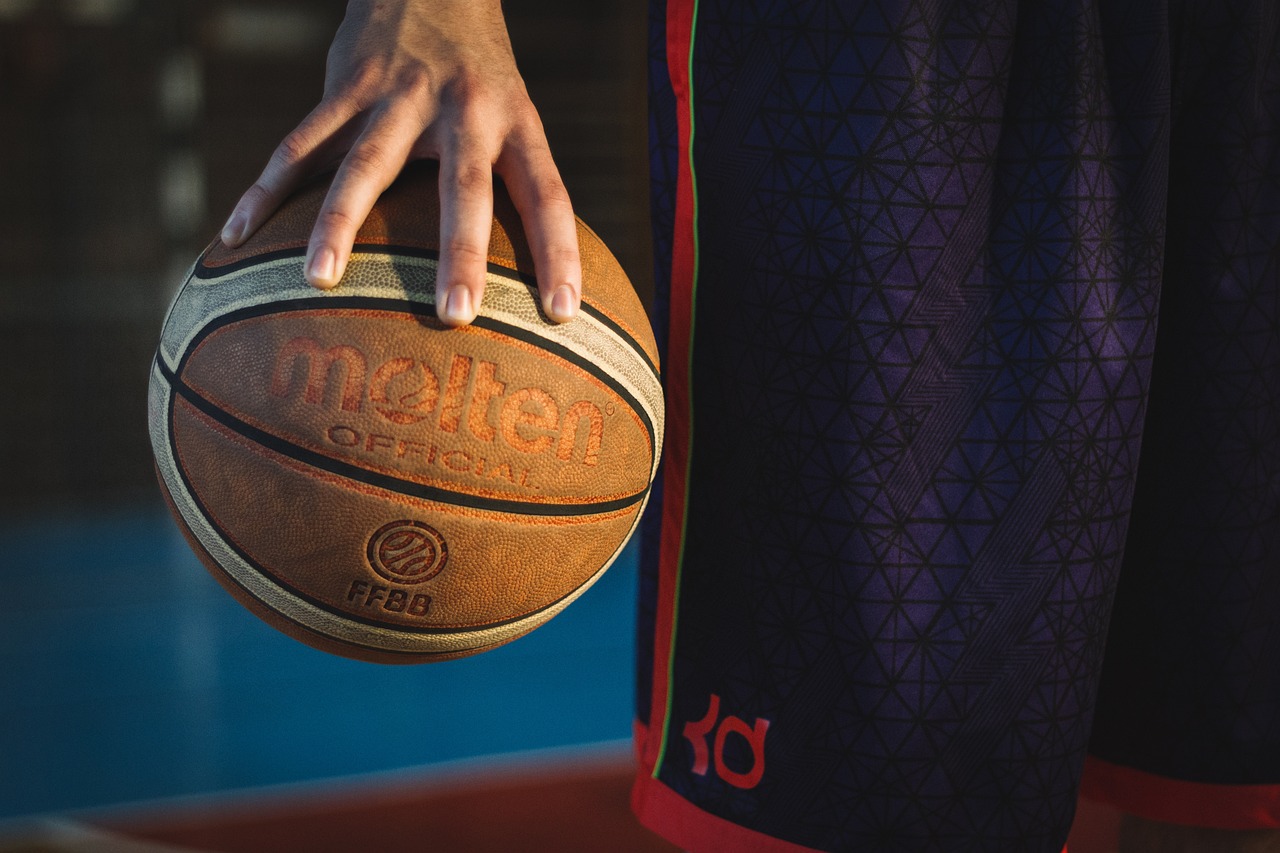

The Role of Hand Strength in Precise Dribbling
Basketball dribbling is a crucial skill that requires finesse, agility, and control. Among these factors, hand strength plays a significant role, enabling players to maintain ball control while executing various maneuvers. The relationship between dribbling precision and hand strength lies in the ability to exert adequate force, making it easier to protect the ball from defenders. Regardless of skill level, strengthening the hands can lead to improved performance on the court. Increasing grip strength is vital for basketball players as they rely on their hands to dribble, pass, and shoot effectively. The process of lifting weights, performing resistance exercises, and using grip trainers can enhance hand strength. Players can integrate core workouts and forearm strengthening exercises into their training regimen to boost their overall basketball performance. Practicing dribbling drills that focus on precise movements will also reinforce these skills. Combining both strength training and skill drills can create a powerful effect, resulting in better ball handling. Ultimately, player success hinges on their physical conditioning, making this a foundational aspect of basketball training.
Understanding Hand Strength in Basketball
Hand strength encompasses the overall grip, finger, and wrist strength necessary to achieve accurate dribbling. A stronger grip reduces the chance of losing possession when going against a defender or during rapid movements. Players need to focus on specific exercises to develop these areas. Some effective exercises include squeezing a tennis ball, wrist curls, and reverse wrist curls. Additionally, using resistance bands can help improve finger and wrist flexibility, contributing to better ball handling skills. Training with weighted basketballs can further enhance strength and coordination, allowing players to handle their regular basketball more confidently. Furthermore, having good hand-eye coordination complements hand strength, enabling players to make quick decisions and execute them accurately. Incorporating agility training can also boost both hand strength and coordination, making players more dynamic in their movements. Remember, while hand strength is essential, balance and stamina cannot be overlooked. They all work together to produce an adaptive player who thrives in competitive environments. By prioritizing hand strength and complementary skills, basketball players can take significant strides in refining their dribbling abilities.
The connection between hand strength and dribbling is also evident in differentiating between basic and advanced techniques. While basic dribbling focuses on maintaining ball control, advanced dribbling techniques, such as crossovers, requires a firm but flexible grip. Advanced players often display a unique balance of strength and finesse which allows for complex moves. Practicing these advanced techniques without adequate hand strength can compromise a player’s effectiveness on the court. Incorporating resistance training that specifically targets the hands, such as specific grip enhancers, can develop the required strength. Effective dribbling demands not just raw power but also the ability to control that power effectively. Both upper body and hand movements are essential for executing quick changes in direction and speed. Therefore, basketball players should regularly engage in strength-building exercises tailored for their upper body, lower body, and core to ensure balanced conditioning. Tools such as resistance bands, stability balls, and weighted balls can promote muscle strength when suited to specific muscle groups. Remember, consistent practice aligns with strength training for holistic improvement.
Incorporating Strength Training in Practice
To enhance hand strength, basketball players should integrate strength training routines into their practice schedules. Consistency is essential, as visible improvements may not appear overnight. Ideally, players should target their grip strength multiple times a week, allowing muscles adequate recovery time between sessions. One effective strategy involves breaking down strength training into shorter sessions focused on hand strength and conditioning. This method keeps the workouts engaging while enabling players to commit to their training. However, it’s crucial not to disregard other areas such as footwork, agility, and coordination, as they significantly influence overall performance. Systems like plyometrics can improve agility and explosive movements, further enhancing a player’s ability to control the ball. When players couple hand strength exercises with plyometrics, they build a comprehensive skill set tailored for basketball. Including variations to standard exercise regimens will help keep motivation high. Pairing weighted grips or performing isolated grip exercises in the context of dribbling drills can create interesting challenges for players. In doing so, improvement becomes noticeable across various skills.
Hand strength can also be beneficial during game scenarios. Players often face intense pressure during games, at which point hand control becomes paramount. A player equipped with stronger hands can better navigate tight spaces and evade multiple defenders more efficiently. Furthermore, hand strength allows players to execute fast passes and shots effectively without risking defenses capitalizing on weak plays. As a result, having well-developed hand strength not only enhances dribbling but overall game approach. Practicing under various game-like conditions is imperative for sharpening these skills. Adopting dribbling drills that simulate game situations while incorporating hand strength elements can effectively prepare players. Practicing with a partner or within a team dynamic can also enhance situational awareness alongside hand strength. The more familiar players become with high-pressure scenarios, the more comfortable they will feel. Thus, integrating strength-focused practices during scrimmages or organized drills can build resilience on the court. Ultimately, dribbling is about precision, and strong hands are foundational for successful execution.
Conclusion: The Importance of Hand Strength
In conclusion, hand strength plays a pivotal role in achieving precise dribbling within basketball training. The meticulous development of grip strength elevates overall performance, enabling players to dribble effectively in fast-paced situations. Not only does it also contribute to maintaining possession, but it underpins the ability to execute advanced techniques consistently. Players seeking to improve must adopt comprehensive training strategies that emphasize hand strength while integrating them into all aspects of fitness. Regularly implementing exercises that promote hand strength in combination with skill drills can yield remarkable results. Coaches play an essential role by encouraging athletes to adopt innovative exercises parallel to traditional practices. Encouraging players to track their progress through performance metrics can also instill motivation. By fostering an environment that values improvement, players can develop resilience on the court that translates to success during games. The significance of hand strength cannot be overstated, as it enhances skills outside merely dribbling. Cultivating this strength ensures that athletes can not only perform basic functions but excel during crucial game moments.
Ultimately, dribbling is a multifaceted skill that relies heavily on the combined strength, coordination, and technique. Therefore, basketball training tailored to develop hand strength warrants higher consideration within athletic training frameworks. Athletes should view hand strength not just as an optional element of their skill set but as a critical factor. This perspective shift encourages youth players and beginners to prioritize focus areas vital for their development as athletes. Emphasizing strength training with a clear understanding of its benefits allows players and coaches to work collaboratively towards goals. Supporting players in their training through structured plans that incorporate diversity will provide profound advantages. These strategies will lead to lasting improvements across the board. Ultimately, this prime focus can yield greater confidence during gameplay, leading to a significant advantage on the court. Balancing strength with skill development is critical, ensuring overall growth and sustained performance over time. Basketball is a dynamic sport where various skills intersect, and a solid focus on hand strength will undoubtedly pay dividends in the long run.