
The Role of Family and Caregivers in Senior Fall Prevention
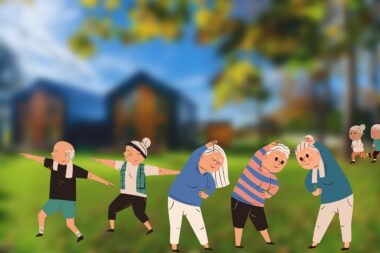
Falls are a significant concern for seniors, often leading to severe consequences. Their occurrence can result in devastating injuries, including fractures and head trauma, which can diminish independence. Family members are vital in fall prevention, as they understand their loved one’s habits and environments better than anyone else. By collaborating to assess living situations, they can identify potential hazards. Simple changes, such as removing clutter and enhancing lighting, can reduce risks. Moreover, caregivers can encourage seniors to engage in balance and strength exercises, enhancing their physical capabilities. Regular exercise routines, including yoga or tai chi, can significantly improve stability and confidence. When families prioritize safety, they foster an environment conducive to healthy living. Communication also plays a crucial role: discussing health concerns openly allows immediate attention to issues before they escalate. Family members should ensure regular doctor visits to assess conditions that may increase fall risk, such as vision changes or medication effects. This proactive involvement not only mitigates risks but nurtures relationships, creating a supportive atmosphere for seniors that promotes their overall well-being.
One essential strategy is regular communication. Engaging in conversations with the senior about their day-to-day activities fosters awareness about safety. Family members should actively listen to their concerns regarding mobility and balance, ensuring seniors feel heard. By maintaining an open dialogue, caregivers can identify specific areas that require attention or modifications at home. Periodically reviewing their medications is crucial, too, as some prescriptions may cause dizziness, impacting balance. If side effects emerge, consulting healthcare professionals promptly is necessary. Additionally, family members can advocate for home safety assessments performed by professionals specializing in fall prevention. These assessments yield valuable insights into personalized safety modifications catered to individual needs. Such measures could include the installation of grab bars in critical areas such as bathrooms or stairways. It is also helpful if families work together to establish a routine for monitoring homes regularly, ensuring aligned safety enhancements. By taking these steps collectively, families can create living environments that not only facilitate mobility but also promote independence among seniors, allowing them to age confidently in place.
Creating a Safe Home Environment
Creating a safe home environment is crucial for preventing falls among seniors. Family members play a vital role in this process. They can tackle various household hazards by systematically evaluating the senior’s living space. Low furniture, electrical cords, and uneven flooring pose risks that can lead to trips and falls. Thus, ensuring that walkways are clear can significantly enhance safety. Utilizing non-slip mats in kitchens and bathrooms is also beneficial, while installing grab bars and railings enhances security in crucial areas. Another useful adjustment is improving lighting throughout the home. Well-illuminated spaces reduce shadows and make navigating easier for seniors. Caregivers should ensure that all rooms, including hallways and staircases, are adequately lit. Additionally, keeping essential items within reach can help minimize unnecessary movements that may cause falls. A regular decluttering challenge can help create a more organized space, reducing potential trip hazards. This routine can involve the family, making it a collaborative effort that also reinforces the emotional connection between members and the seniors, creating a more secure feeling for everyone involved.
Moreover, encouraging seniors to participate in their safety plans promotes a sense of control. When they are involved, they feel less anxious and more empowered, which can further enhance their confidence and ability. Caregivers should collaboratively set achievable safety goals, whether regular exercise or practicing mobility techniques. Engaging seniors in physical activities like walking, dancing, or swimming provides both physical benefits and opportunities for socialization. Family involvement in these activities can serve as motivation, promoting a more active lifestyle while reducing fall risks. Educating seniors about proper footwear is another crucial aspect of fall prevention. Supportive shoes that fit well are essential for maintaining balance. The family can help by assisting their loved ones in selecting appropriate footwear, ensuring safety without compromising comfort. Additionally, training seniors in strategies to address their surroundings proactively can help them identify risks independently. Such training instills vital awareness that can lead to quick adjustments in unsafe situations. Ultimately, creating a shared responsibility for fall prevention can foster a proactive environment that significantly reduces the risks associated with falls.
Utilizing Technology for Safety
In today’s digital age, technology can significantly enhance the safety of older adults at home. Families and caregivers can utilize various devices designed specifically for seniors. For instance, wearable devices equipped with fall detection sensors can alert family members or emergency services if a fall occurs. These devices increase response times, providing immediate help when needed. Smart home technology also offers practical solutions that assist with fall prevention. Applying motion sensors for lighting that activate when someone approaches can eliminate dark spots and make moving around safer. Families can encourage the installation of video monitoring systems for real-time observation while respecting seniors’ privacy. This can provide peace of mind to both seniors and their loved ones. Moreover, encourage seniors to embrace technology through tablets or smartphones that can facilitate video calls, enabling regular check-ins, mitigating isolation, and indirectly minimizing fall risks associated with loneliness. Online fitness classes can also keep seniors engaged and active while developing their physical strength. Therefore, incorporating technology into seniors’ lives can create opportunities for safer living and enhance their overall quality of life.
In conclusion, the role of family and caregivers in fall prevention cannot be overstated. Their engagement forms the cornerstone of successful fall prevention strategies. Family members must stay aware of the unique needs of their older adults, taking proactive measures to create a safety-centric environment. Regular communication, home modifications, technology utilization, and promoting physical activity together are practical, effective strategies to mitigate fall risks. Consistent monitoring and collaboration enhance the overall safety of the older adult’s habitat. Individuals striving to foster an open and understanding atmosphere cultivate trust, enabling seniors to express concerns regarding their mobility or environment. When families work as a cohesive unit, they not only contribute to a supportive atmosphere for seniors but also empower older adults to lead fulfilling lives, free from the fear of falling. As fall prevention is a shared responsibility, families can ensure that their loved ones experience confident aging. By implementing these suggested strategies collaboratively, families can ensure that older adults not only live with dignity but also enjoy their later years with safety and independence.
Ultimately, it is essential to remember that fall prevention is an ongoing process that requires dedication and awareness from both family members and seniors alike. Families should make it a priority to educate themselves and their loved ones about the risks associated with falls and the best practices to mitigate these risks. Regular reevaluation of home safety conditions can keep the living environment secure; a proactive approach fosters a culture of safety. Caregivers should not hesitate to seek help from professionals when making decisions that affect the safety and comfort of seniors. Empowering seniors through education and engagement in their care plan leads to increased confidence and improved overall health outcomes. Educating family members on how to recognize and respond to risks can enable them to provide better support. Ultimately, embracing a holistic approach that encompasses emotional, physical, and social well-being creates a nurturing support system for seniors. Through ongoing communication and collaboration, families can ensure that seniors continuously receive the necessary support to maintain their safety as they age in place.
By promoting awareness, implementing practical fall prevention strategies, and maintaining open lines of communication, families can effectively contribute to their loved one’s well-being. The impact of family involvement in this aspect of senior care is profound as it cultivates an environment where seniors can thrive. Recognizing the inherent value of a loving and supportive family network will undoubtedly contribute to improved quality of life for seniors. Thus, collectively harnessing resources, including technology, communication, and social engagement, can create the necessary support structures that promote independence and safety. Incorporating physical activities and ensuring home safety practices allows families to contribute actively to their loved ones’ fall prevention strategies, fostering a sense of shared responsibility. As families engage in varied aspects of their loved one’s lives, the resulting bonds strengthen, enhancing their emotional connections while reducing risks. Regular family gatherings can serve as an opportunity to review safety measures and make necessary adjustments. Ultimately, by recognizing the importance of family in fall prevention, we can ensure that older adults are given the necessary tools and support to live free from fear of falls. By focusing on collaborative efforts, we ascertain that dignity and independence remain at the forefront of senior living.