
The Role of Hydration in Weight Management
Hydration plays a pivotal role in effective weight management, yet many people overlook its importance. Water is essential not only for hydration but also for supporting various body functions, including metabolism. Drinking adequate amounts of water can aid in increasing feelings of fullness, thereby reducing the propensity to overeat. Research shows that consuming water before meals can help with portion control, making it easier for individuals to stick to their weight loss goals. Furthermore, sometimes our bodies confuse thirst with hunger, leading to unnecessary snacking. Staying hydrated can help mitigate this confusion, ensuring that you only eat when truly hungry, which is vital for achieving and maintaining weight loss. Moreover, adequate hydration is important for maximizing the efficiency of cellular processes that play a key role in fat metabolism. Therefore, incorporating staying hydrated into your daily routine can help maintain a healthy weight. It is generally recommended to drink at least eight glasses of water a day, though individual requirements will vary based on factors such as activity level, climate, and dietary preferences.
Targeting hydration can be particularly beneficial when considering exercise as an integral part of a weight loss plan. Engaging in regular physical activity not only burns calories but also leads to sweating, which increases the need for replenishing lost fluids. Optimal hydration levels during exercise can enhance performance and allow for longer workouts, which subsequently can lead to greater calorie expenditure. Additionally, staying hydrated helps maintain electrolyte balance, crucial for preventing muscle cramps and fatigue during workouts. This is particularly important for those undertaking high-intensity training programs. By ensuring proper hydration, individuals can significantly improve their exercise efficiency and endurance. Those aiming to lose weight should focus on both fluid intake and the type of drinks consumed since sugary beverages can hinder weight management efforts. Choosing water, herbal teas, and infused water can help reduce calorie intake while keeping you hydrated. For those looking to elevate their hydration game, adding fruits such as cucumber, lemon, or berries to water can increase flavor without adding calories. In contrast, avoiding sugary drinks can make a substantial difference in calorie consumption.
Hydration Strategies for Weight Loss
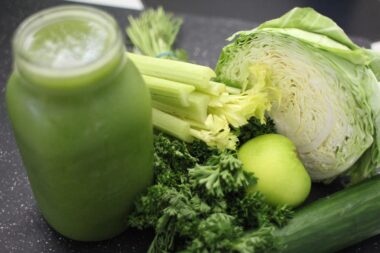
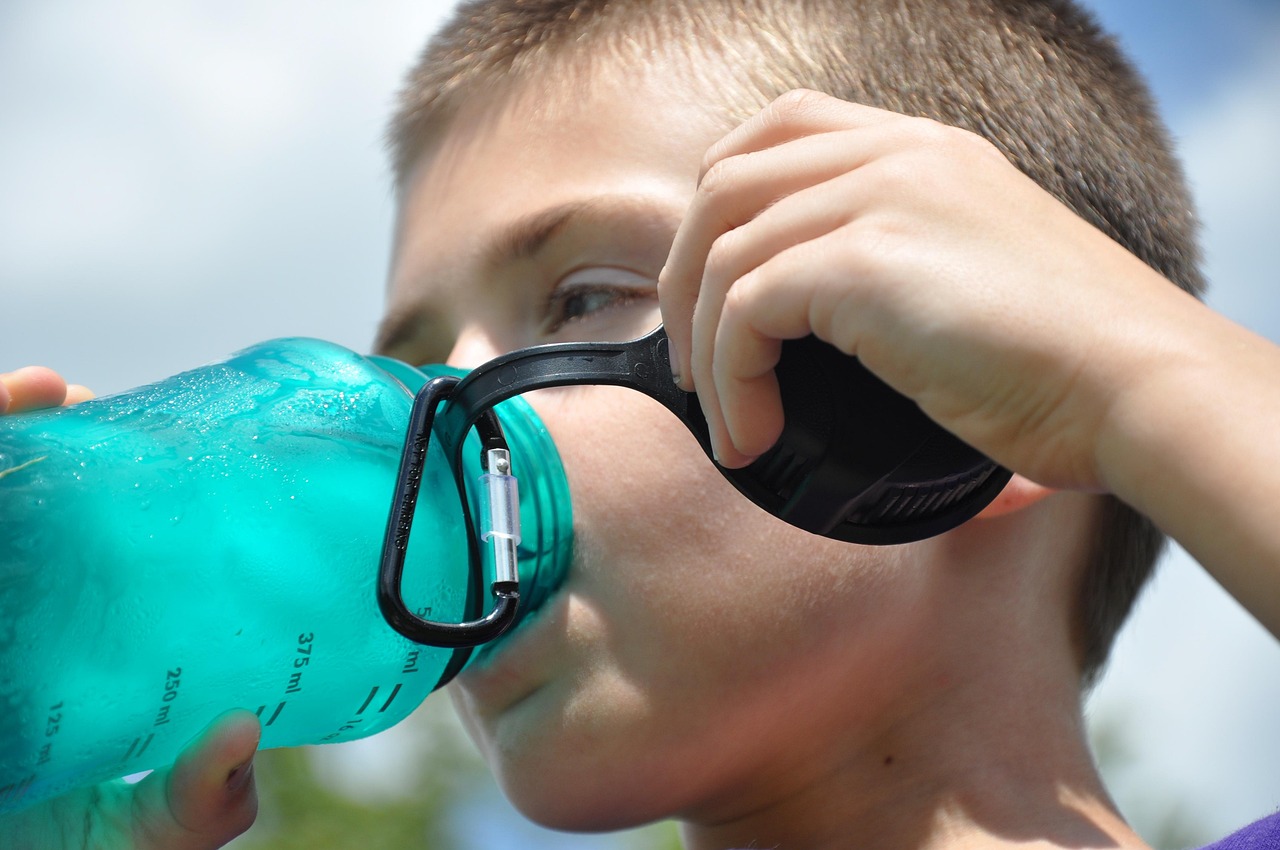
Implementing practical strategies for ensuring proper hydration can greatly enhance weight management efforts. One effective method is to carry a reusable water bottle throughout the day, serving as a reminder to drink water regularly. Setting reminders or goals can also assist in achieving daily hydration targets. Incorporating water-rich foods into your diet, such as fruits and vegetables, can offer dual benefits—providing hydration and essential nutrients. Foods like watermelon, cucumbers, oranges, and strawberries have high water content and can help increase overall fluid intake while snacking. Another effective strategy is to make drinking water a habit linked to routine activities, such as having a glass of water with each meal or after using the restroom. This way, maintaining hydration becomes easier and more automatic. In scenarios where plain water becomes uninteresting, experimenting with natural flavorings, such as mint or citrus zest, can make the shift more enjoyable. Regularly checking urine color can also be a practical indicator of hydration levels; pale yellow signifies adequate hydration, while darker shades suggest a need for increased fluid intake.
Hydration can also influence metabolic rate and overall energy expenditure, playing a critical role in weight management. Studies have shown that drinking cold water may slightly boost metabolism because the body expends energy warming the water to body temperature. Although the effect is modest, it underscores the benefits of being mindful about hydration in the context of weight loss. Aside from exercising, maintaining regular daily activities can also contribute to increased calorie burn, and hydration supports energy levels through the day. Additionally, proper hydration contributes to cognitive function, aiding focus and motivation, which are imperative for individuals pursuing weight management goals. Dehydration can lead to lethargy and distract from commitment to exercise routines. Therefore, maintaining hydration levels helps not only physically but mentally as well. It’s worth noting that while hydration is essential, overhydration can be hazardous too, leading to conditions like hyponatremia. As such, it’s crucial to find a balanced approach to hydration, listening to your body’s thirst cues, and monitoring fluid intake according to your body’s demands.
Common Myths About Hydration and Weight Loss
There are several misconceptions regarding hydration and its relation to weight management that need to be addressed. A prevalent myth is that only water counts toward hydration. While water is the best option, other fluids and hydrating foods contribute as well. For instance, herbal teas and low-sugar beverages also help with hydration. Another common belief is that drinking more water will automatically lead to weight loss. While hydration is important, it must be coupled with balanced eating habits and physical activity to yield effective results. Moreover, some may believe that drinking water during meals dilutes digestive juices and hinders digestion. In fact, moderate amounts of water during meals can assist with digestion and absorption of nutrients. Yet another myth suggests that caffeinated beverages lead to dehydration. Recent studies suggest that regular consumers of caffeinated beverages develop a tolerance to their diuretic effects, meaning they don’t significantly contribute to dehydration. Understanding accurate information regarding hydration can enhance adherence to healthy behaviors and foster effective weight management.
For efficient weight management, hydration must be matched with balanced nutrition and physical activity. A holistic approach ensures long-lasting results, as fluctuating weight often correlates with inconsistent habits. Establishing routines is key—scheduling regular meal times, staying active, and keeping track of hydration can build sustainable habits that promote weight loss success. Many opt for food diaries or apps to monitor their intake, which can encourage accountability in reaching hydration goals too. Staying engaged in your weight loss journey, including tracking water consumption, can make a difference in encouraging lasting changes. Lastly, focusing on lifestyle rather than solely short-term diets offers more sustainable outcomes. Weight management is not just about cutting out foods or calorie counting; instead, it’s about finding the right balance that fits an individual’s lifestyle. By nurturing an ongoing relationship with food, exercise, and hydration, success in weight loss can be achieved effectively and sustainably.
Conclusion
In summary, hydration remains a vital component in the pursuit of effective weight management. Drinking enough water is crucial, but it’s equally important to understand how to integrate it into your daily life alongside a balanced diet and regular exercise. Healthy hydration encompasses not only just drinking water but also incorporating it through food and ensuring fluid intake aligns with activity levels. Overcoming common hydration-related myths and developing practical strategies for staying hydrated can facilitate better health outcomes and enhance weight management efforts. Individuals aiming for weight management must remain vigilant in their hydration efforts, recognizing that each small change contributes to a larger goal. Focusing holistically on hydration, nutrition, and physical activity leads to sustainable weight loss success. Each individual should find personalized hydration strategies that work for their lifestyles, thus promoting a healthier relationship with food and exercise. Acknowledging the importance of hydration should encourage further commitment to weight loss goals. Thus, fostering both physical and mental vitality through appropriate hydration can lead to empowered weight management journeys.
In conclusion, hydration is not merely a supplementary component but a cornerstone of achieving successful and sustainable weight management. Proper hydration aids in overall bodily function, appetite regulation, and maximizing workout effectiveness. The emphasis should be placed on daily fluid intake, adjusting it according to personal needs, activity levels, and environmental conditions, especially during hotter climates or intense workouts. The balance of hydration with quality nutrition offers a synergistic effect that aids weight loss, promotes muscle preservation, and supports metabolic health. Shifting focus to develop positive hydration habits encourages consistent practice which is vital for long-term results. All in all, maintaining optimal hydration goes hand-in-hand with one’s weight management journey. By exploring different methods to make water consumption more enjoyable, individuals can efficiently incorporate hydration into their daily lives. Practical, easy-to-follow strategies for improving hydration do not have to be complex or time-consuming but can be seamlessly integrated into everyday routines. Armed with accurate information and a proactive approach to hydration, each person can lay down the critical foundation for successful weight management, ultimately leading to a healthier and happier life.