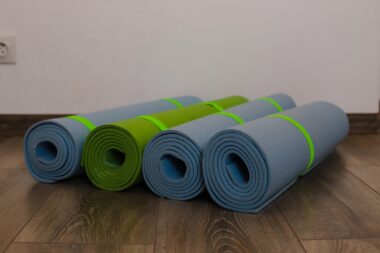

Eco-Friendly Gym Mats: Sustainable Choices for Fitness Enthusiasts
Eco-friendly gym mats are becoming increasingly popular among fitness enthusiasts who understand the importance of sustainability. These mats are made from materials that are free from harmful chemicals, making them safe for both users and the environment. Unlike traditional mats, eco-friendly options often utilize natural rubber, jute, or recycled materials, which can significantly reduce waste in landfills. When choosing an eco-friendly mat, look for certifications that confirm its sustainability, such as those verifying that it is free from BPA, phthalates, or toxic adhesives. Additionally, these mats often offer remarkable durability and grip, ensuring a safe workout environment. As sustainability becomes a priority in many aspects of life, those who frequent the gym should consider investing in products that align with eco-conscious values. Furthermore, opting for these sustainable mats helps promote a healthier planet while enjoying your fitness journey. Embracing this change supports brands that focus on green practices, fostering a market that prioritizes environmental health. Choose wisely, and you will find that eco-friendly mats can transform your workout experience.
There are numerous benefits associated with eco-friendly gym mats, which make them an attractive choice for fitness enthusiasts. One of the most significant advantages is their non-toxic nature, which has a positive impact on human health. Many traditional mats are manufactured using toxic substances that can release harmful gases and irritate the skin during workouts. Eco-friendly gym mats, however, are produced using natural substances, resulting in a safer option. Additionally, sustainability in production methods is an essential consideration. Many brands now recycle waste materials to create these mats, efficiently decreasing the overall carbon footprint associated with gym gear production. By choosing sustainable mats, customers not only help reduce waste but also support companies committed to ethical practices. Consequently, their gym experience is enhanced, knowing they are making more responsible choices. Furthermore, these mats often have a superior grip and shock absorption, contributing to better performance during various exercises. Durability is another key aspect; eco-friendly mats typically last longer than conventional alternatives, providing great value over time as they resist wear and tear effectively.
Material Choices for Eco-Friendly Gym Mats
The materials used in eco-friendly gym mats directly influence their quality and sustainability. Common materials include natural rubber, which is harvested from rubber trees, and provides shock absorption and a superior grip that traditional mats fail to offer. By choosing a mat made from natural rubber, fitness enthusiasts ensure their workout surface remains comfortable and safe. Another popular option is jute, a biodegradable material known for its non-slip properties, making jute mats excellent for various workout types, especially yoga and pilates. Additionally, there are mats made from recycled materials, which repurpose old plastics, reducing waste and diminishing the environmental impact. Furthermore, certain brands incorporate innovative materials like cork, which is sustainable and offers natural antimicrobial properties. This ensures a hygienic workout space, reducing odor and germs. The texture and thickness of these mats are also essential factors to consider. A well-thought-out selection guarantees not only comfort but also an enjoyable workout experience that promotes fitness and health.
When selecting an eco-friendly gym mat, factors such as thickness, weight, and texture can significantly influence your choice. Thicker mats generally provide more cushioning, making them suitable for exercises that involve high-impact movements or require comfort during long workouts. On the other hand, lightweight mats are easier to transport, which can be crucial for those who prefer to workout in various locations. The texture of the mat also plays a crucial role in preventing slips and maintaining stability during exercises. A quality eco-friendly gym mat should minimize the chances of injury by ensuring a secure grip during workouts. Many eco-friendly mats also offer water resistance, making them easy to clean and maintain. This becomes particularly important for users who frequently sweat or perform intense workouts. Moreover, vibrant colors or unique patterns can elevate your workout experience by adding an aesthetic appeal. Customers should consider their personal preferences and workout styles while selecting the right eco-friendly mat. Remember to also understand the warranty offered, as it reflects the manufacturer’s confidence in the product’s durability.
Top Brands for Eco-Friendly Gym Mats
As interest in eco-friendly workout gear grows, numerous brands have emerged, each offering high-quality gym mats tailored to fitness enthusiasts’ needs. Companies like Manduka focus on creating mats that not only support sustainability but also meet the demands of avid yogis and fitness lovers. Their mats are often made from natural rubber and feature a non-toxic design, making them popular among eco-conscious consumers. Another notable brand is Liforme, recognized for its quality materials and innovative design that enhance performance and durability. Their mats are biodegradable and feature alignment markers to facilitate proper positioning during workouts. Additionally, Jade Yoga Mats produces mats using natural rubber harvested sustainably and contributes a portion of their profits to planting trees. This commitment to both product quality and environmental conservation resonates with many fitness enthusiasts. Gaiam, known for its variety of workout gear, also offers eco-friendly mat options that combine functionality with sustainability, ensuring users can find something that fits their preferences. Researching brands and their manufacturing processes can help consumers make informed decisions.
Maintaining eco-friendly gym mats is essential for prolonging their lifespan and ensuring optimal performance. Regular cleaning prevents the buildup of bacteria and odor, especially with materials such as natural rubber and jute. To clean these mats effectively, a mild soap solution can be used alongside warm water and a soft cloth. Avoid harsh chemicals or abrasive cleaners, as these can damage the materials and compromise their sustainability. Additionally, allowing the mat to dry properly after cleaning will help to maintain its integrity. Storing the mat in a cool, dry place away from direct sunlight ensures that it does not warp or degrade over time. Regularly flipping or rotating the mat can help distribute wear evenly, extending its usability. If users notice any significant wear and tear, it may be time to consider a replacement. Choosing a sustainable mat is just the first step; practicing good maintenance habits is equally crucial. This commitment to care mirrors the responsible choice of eco-friendly products and reinforces a commitment toward long-term sustainability.
Conclusion: The Future of Eco-Friendly Gym Mats
The future of gym equipment, particularly mats, is trending towards sustainability and eco-friendliness. As more consumers prioritize environmentally safe products, manufacturers are increasingly meeting this demand by developing innovative materials and practices. This shift is not only beneficial for the planet but also for users, resulting in healthier and safer workout options. Additionally, many brands are investing in research and development focused on enhancing the functionality and longevity of eco-friendly mats. As technology evolves, we can expect to see more advanced features, such as anti-bacterial properties or enhanced comfort elements. Furthermore, as the market for sustainable goods continues to grow, the availability and variety of eco-friendly gym mats will expand, making it easier for fitness enthusiasts to make responsible choices. Taking the step towards choosing environmentally friendly workout gear can significantly impact the fitness community and the environment as a whole. By emphasizing eco-friendly options, customers support companies committed to sustainability, setting a precedent for future products. Ultimately, this collaboration between consumers and manufacturers fosters a fitness culture anchored in responsibility and health.