
Mixed Martial Arts vs Boxing Styles: A Comparative Study
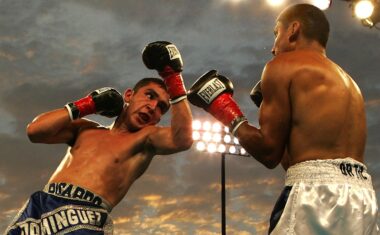
Boxing and Mixed Martial Arts (MMA) are two distinct combat sports that have gained immense popularity around the world. While they share some similarities, each sport has its unique attributes in terms of styles, techniques, and rules. Boxing focuses on striking using punches while adhering strictly to the use of fists. In contrast, MMA combines various martial arts disciplines, allowing an arsenal of techniques including kicks, throws, and submission grapples. This difference in range of techniques makes the training and performance aspects of each sport extremely varied. Boxers often develop peak cardiovascular endurance and punching power through rigorous training. On the other hand, MMA fighters engage in a more diverse training regimen to master multiple disciplines, ensuring adaptability and strategic versatility. Fans of boxing argue that the sport’s discipline leads to greater technical skill, while MMA proponents value the dynamic and unpredictable nature of their fighters. Both sports have their own techniques and strategies that keep audiences captivated, making them pillars of the combat sports community.
Training Regimens: Techniques and Approaches
A typical boxing training regimen primarily focuses on conditioning, strength building, and perfecting striking techniques. Boxers dedicate hours to enhancing their footwork, speed, and powerful punches. They engage in rigorous routines involving shadow boxing, bag work, and sparring sessions to sharpen their skills. Training is regimented and often includes intense cardiovascular exercises. In contrast, MMA training is a multifaceted approach involving disciplines such as Brazilian Jiu-Jitsu, Muay Thai, wrestling, and boxing. This allows MMA fighters to be well-rounded, with proficiency in both striking and grappling techniques. The necessity to train across diverse styles means MMA routines can vary significantly and often incorporate joint training sessions. Fighters work extensively on their grapples and ground game, while also ensuring they are proficient in stand-up techniques. Conditioning in MMA fights includes building not only strength but also flexibility and stamina. In essence, while both sports require significant physical fitness, the approach to developing technique is fundamentally different and shapes how athletes perform under competitive conditions.
Boxing Techniques: The Art of Punching
Boxing techniques revolve around mastering different punches, footwork, and defensive strategies. The jab, cross, hook, and uppercut are fundamental punches that every aspiring boxer must learn. Footwork is crucial; effective movements allow boxers to create the right angles for attacks while maintaining balance and positioning. Defensive techniques such as slipping, blocking, and clinching are equally essential to avoid incoming punches and create opportunities for counterattacks. Boxers often utilize head movement to evade strikes, which adds to their defensive strategy. The strategic implementation of these techniques is what differentiates an amateur boxer from a skilled professional. Training specific techniques involves repetitive drilling and sparring to translate technical skills into real-fight applications. Moreover, boxers often study their opponents extensively, adapting their fighting style based on the strengths and weaknesses they observe. This preparatory strategy is vital for success inside the ring as it allows boxers to execute well-timed tactics, often surprising their opponents with unexpected moves. Ultimately, boxing techniques emphasize precision, speed, and timing, making the sport coherent yet intricate.
MMA Techniques: A Blend of Martial Arts
MMA techniques stem from an integration of various martial arts forms, resulting in a unique fighting style. Unlike boxing, MMA fighters can use punches, kicks, elbows, and knee strikes, incorporating elements from disciplines like karate and kickboxing effectively. Grappling arts such as wrestling and Brazilian Jiu-Jitsu form the basis for ground techniques, allowing fighters to take control of an opponent on the mat. This blend of techniques requires extensive training in both stand-up fighting and ground control, which is why MMA practices are immersive and comprehensive. Fighters must adapt quickly within bouts, switching between striking at range and engaging in wrestling-based grappling seamlessly. The tactics used in MMA are highly strategic; understanding the multifaceted nature of each opponent becomes crucial. An MMA fighter’s ability to switch techniques at the right moment not only showcases their skills but is essential for victory. This fluidity of transitions is what sets MMA apart and allows for diverse fighting styles, leading to unexpected developments during contests that keep fans on the edge of their seats.
While both boxing and MMA feature striking capabilities, the way these strikes are utilized differs greatly in context and execution. Boxers rely heavily on calculated punches, focusing on precision and timing to land effective hits. Each blow can be the result of months of targeted training, with patience being a substantial factor. MMA, however, uses a variety of strikes, with fighters often employing punches, kicks, and knee strikes in tandem. This necessity for a varied striking style makes it essential for MMA fighters to adapt their attacks during combat, something not usually found in boxing where the emphasis is predominantly on hands alone. The adaptive nature of MMA allows it to capture a wider audience, incorporating theatrical elements that appeal to diverse spectators. Furthermore, the emphasis on different techniques influences injuries, stamina usage, and recovery times for athletes. Boxers often train their entire fight around striking efficiency, while MMA fighters ensure extreme versatility, making their training both demanding and multifaceted. The overall combat effectiveness and presentation style distinguish both sports distinctly and contribute to a dedicated following.
Another major point of distinction between boxing and MMA lies in their strategic approaches during a fight. Boxers typically have a more linear style, focusing on momentary exchanges and tactical pacing to break down opponents. Their strategies often involve wearing opponents down to create openings for powerful strikes. This strategic restraint can lead to action-packed high-stakes moments within boxing matches, where the anticipation escalates with every round. On the contrary, the strategic flow of an MMA fight is characterized by frequent shifts in dominance. Fighters must think on their feet, making real-time adjustments based on changing circumstances, techniques utilized by their opponent, and individual skill sets. This continuous flow of action can lead to rapid shifts in momentum. The unpredictability of MMA, accentuated by the various fighting disciplines at play, can result in unexpected outcomes that excite audiences. Consequently, fighters must embody an element of mixed tactical approach, balancing striking agility with grappling readiness to succeed. Each style’s strategic mindset profoundly impacts the way athletes perform and entertain, making both sports unique experiences for viewers.
In terms of competition structure, boxing and MMA operate under different rule sets that influence how matches unfold. Boxing competitions focus exclusively on punches and scoring is based on the number and quality of landed punches over predetermined rounds. This limitation allows for organized and clear scoring but can sometimes lead to slower-paced bouts. On the contrary, MMA competitions are governed by a more comprehensive set of rules that allows various techniques including grappling, submissions, and strikes. This broader rule set encourages more dynamic and unpredictable engagements, often resulting in fights that shift rapidly in structure. These contrasting rules shape athletes’ preparation and gameplay, varying training routines, and mental strategies for success. While boxing athletes may concentrate intensely on perfecting their punches, MMA fighters allocate time for learning numerous strategies in striking, grappling, and transitions. As a result, competition formats of both sports resonate differently with athletes, particularly affecting how they build their skill sets and conditioning. Consequently, understanding these structural frameworks is vital for anyone looking to engage in either boxing or MMA.
Ultimately, the discussion surrounding boxing versus MMA involves understanding the merits and attractiveness of both sports. While boxing emphasizes hand striking technique and conditioning, MMA showcases a diverse fighting style born from multiple combat disciplines. Fans and athletes alike may gravitate towards one over the other due to personal preferences, cultural exposure, or even iconic representation. Additionally, both sports cultivate community through training facilities and competition events that bring enthusiasts together. The camaraderie developed within both boxing gyms and MMA dojos fosters a supportive environment that can empower individuals to enhance their skills and confidence. In conclusion, both sports have made significant impacts on the sporting landscape and continue to captivate audiences around the globe. As fighters become more dedicated to their craft, the evolution of techniques and strategies across boxing and MMA will only deepen the competitive nature of these respective sports. The choice between boxing and MMA ultimately rests on individual preferences, with each discipline providing thrilling entertainment and the ever-present display of unyielding human spirit.