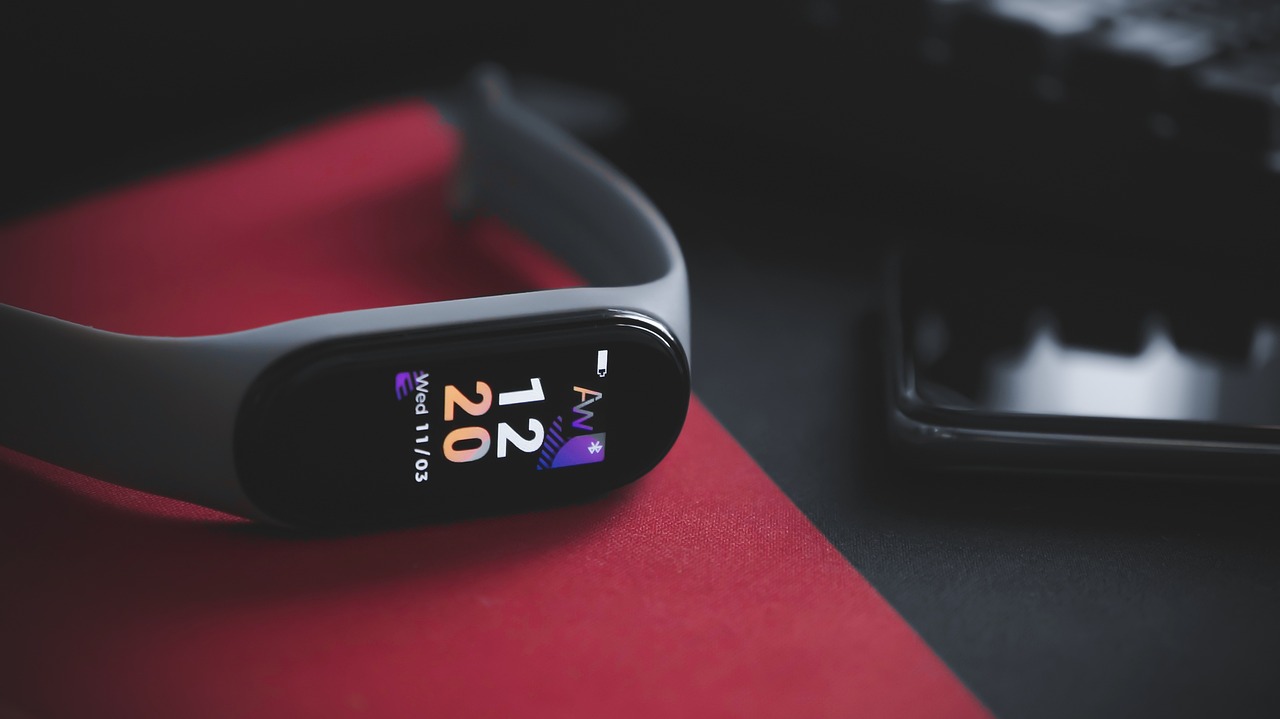

Wearable Sensors for Correcting Form and Technique Remotely
In the realm of fitness technology, wearable sensors have become indispensable tools for correcting form and technique remotely. These devices are designed to analyze an athlete’s movements in real time, providing instant feedback and guidance. By utilizing advanced sensors and data analytics, fitness professionals can closely monitor their clients during workouts, even from a distance. This level of precision not only enhances performance but also significantly reduces the risk of injuries caused by improper form. With the integration of wearables, coaches can create personalized workout plans that adapt to the individual’s capabilities. For athletes, this means greater accountability and motivation to reach their fitness goals. By wearing these devices, users receive alerts that instruct them on posture and movement, ensuring they maintain the correct technique throughout their exercise routines. The data collected from these sensors can be reviewed after each session, facilitating continuous improvement. Moreover, wearables can also foster a sense of community, allowing users to share progress and challenges with peers or coaches for additional encouragement. As technology evolves, so too does the potential for enhancing athletic performance through innovative wearable solutions.
Wearable sensors operate on various technologies, including accelerometers, gyroscopes, and heart rate monitors. These components work together to track an array of metrics, ranging from movement patterns to physiological responses. For instance, an accelerometer can measure the angle of a squat, while a gyroscope provides data on body orientation. By analyzing these metrics, trainers can assess whether an athlete’s form aligns with established best practices. This detailed feedback is crucial, as even minor deviations can lead to inefficiencies or injuries over time. Furthermore, many wearables sync with mobile apps or online platforms that compile this data into user-friendly dashboards. Such platforms allow athletes to visualize their progress and understand the specifics of their training. By integrating feedback loops, athletes are more likely to engage intensely with their training regimens. Additionally, wearable devices often come equipped with goal-setting features that encourage users to strive for incremental improvements. This gamification of fitness not only boosts adherence to exercise routines but also instills a sense of pride when users achieve goals. Overall, wearable technology is revolutionizing how athletes approach their training processes.
The Benefits of Remote Coaching
Remote coaching through wearable sensors brings numerous benefits for both trainers and athletes. For coaches, the ability to observe clients’ performance from afar alleviates logistical constraints typically associated with in-person sessions. Trainers can reach a broader range of clients without being limited by geography. This opens up opportunities for more specialized coaching, as individuals can connect with experts who might not be local to them. Furthermore, remote coaching enables trainers to offer more flexible scheduling, accommodating clients’ busy lifestyles. As a result, clients may find it easier to stick to their fitness commitments when sessions are adaptable to their availability. For athletes, receiving coaching insights in real-time significantly enhances the effectiveness of their workouts. With the right wearable sensors, athletes can instantly adjust their form, leading to improved results and better overall experiences. Also, the continuous access to monitoring and feedback fosters a deeper understanding of personal limits and capabilities. Additionally, athletes often feel a sense of connection with their trainers, knowing their performance is being closely followed, thereby creating a strong trainer-client relationship despite the physical distance.
Implementing wearable sensor technology can provide a competitive edge in various sports disciplines. For instance, runners can benefit from detailed gait analysis, allowing them to refine their stride and reduce the risk of injuries. Through insights gained from their wearable devices, runners can alter their training protocols based on real-time data concerning their biomechanics. In more technical sports, such as gymnastics or swimming, athletes can utilize wearables to track movements that require a high degree of precision. Coaches can provide guided corrections using visual aids or data visualizations from recorded sessions. As a result, athletes in these sports witness marked improvements in their performance metrics. Another advantage lies in the diversity of features specific to various wearables. Some devices not only track movement but also monitor heart rate, sleep quality, and overall recovery, providing a holistic view of an athlete’s wellness. Consequently, coaches can tailor training regimens based on comprehensive evaluations that include not only performance metrics but also recovery data. This depth of insight fosters an environment where athletes can thrive in pursuit of excellence.
Challenges and Considerations
Despite their advanced capabilities, wearable sensors pose certain challenges specific to remote coaching. One critical aspect is the accuracy and reliability of the data collected by these devices. Variations among brand calibration can lead to discrepancies in the readings, potentially misleading athletes and coaches. The effectiveness of feedback hinges on the device’s precision in capturing movement. Therefore, ensuring that users select high-quality wearables with strong reputations should be a priority. Additionally, technology can sometimes serve as a barrier rather than an aid. Athletes must be willing to engage with their devices, interpreting data and feedback for it to be beneficial. Technical issues such as battery life, connectivity, and data transfer also need to be addressed regularly to ensure seamless operation during workouts. Moreover, users need proper guidance on interpreting the data to improve form effectively. It may prove advantageous to include educational resources or tutorials that help athletes understand how to use their wearables to their fullest potential. Addressing these challenges ensures that athletes can benefit optimally from remote coaching experiences.
As the landscape of fitness coaching continues to evolve, collaboration between technology companies and fitness experts will be vital. This relationship can lead to the development of more sophisticated wearables tailored specifically for remote coaching needs. Innovations in sensor technology, algorithm optimization, and user interface design should focus on enhancing the overall user experience. When wet-sensing hardware and software evolve in tandem with user feedback, the ultimate beneficiary will be the athlete. Continuous improvement will enhance the quality of data obtained from wearables, leading to more precise assessments. Moreover, exploring integrations with other health applications could optimize fitness strategies by covering nutrition, hydration, and mental wellness. As athletes engage more holistically with their health, they may see greater overall improvements in their well-being. Furthermore, expanded functionalities such as virtual reality training programs could revolutionize remote coaching experiences. Interactive platforms that immerse athletes in virtual environments create opportunities for realistic practice scenarios. By marrying fitness goals with cutting-edge technology, the future of wearable sensors in remote coaching is promising, paving the way for next-gen fitness solutions.
Conclusion and Future Insights
In conclusion, wearable sensors are shaping the future of fitness coaching, especially concerning remote training. These innovative devices offer athletes unparalleled insights into their performance, empowering users to make necessary adjustments rapidly. While this technology is not without its challenges, the benefits outweigh the drawbacks. By leveraging wearables effectively, trainers and athletes build meaningful relationships and improve performance metrics through continuous feedback. As technology continues to advance, further developments will enhance these sensors’ capabilities, making them even more beneficial for fitness enthusiasts and professionals alike. Whether through improving injury prevention techniques or personalizing training regimens, wearable sensors will undoubtedly play a crucial role in the future of fitness. Athletes can anticipate a world where coaching becomes more accessible, interactive, and profoundly effective thanks to continual advancements in wearable technology. Embracing these innovations will create a culture where active living, healthy habits, and smart training converge for enhanced overall wellness. Therefore, both athletes and coaches must stay informed about the latest trends and solutions in wearable fitness technology to capitalize on the benefits.
The sheer potential of wearable sensors in the fitness realm remains largely untapped. As they become more affordable and user-friendly, a broader audience is expected to adopt these technologies. Not only athletes but also casual exercisers can benefit from the insights that these devices provide. With increased adoption, user feedback will drive evolution, leading to enhanced features and functionalities that cater to diverse fitness levels and goals. Ultimately, the integration of wearable technology in fitness coaching makes exercise programs more accountable and aligned with individual needs. This shift encourages motivation and dedication, crucial components of fitness success. In conclusion, wearables will not just assist elite athletes but will democratize fitness coaching, making it accessible to many. The road ahead is bright, and the possibilities are limited only by innovation and creativity in developing new technologies that propel fitness to new heights. As the convergence of coaching and technology continues, both fitness trainers and athletes will have an exciting journey filled with growth, improvement, and shared success.