
Exploring Unilateral Lower Body Exercises for Muscle Symmetry
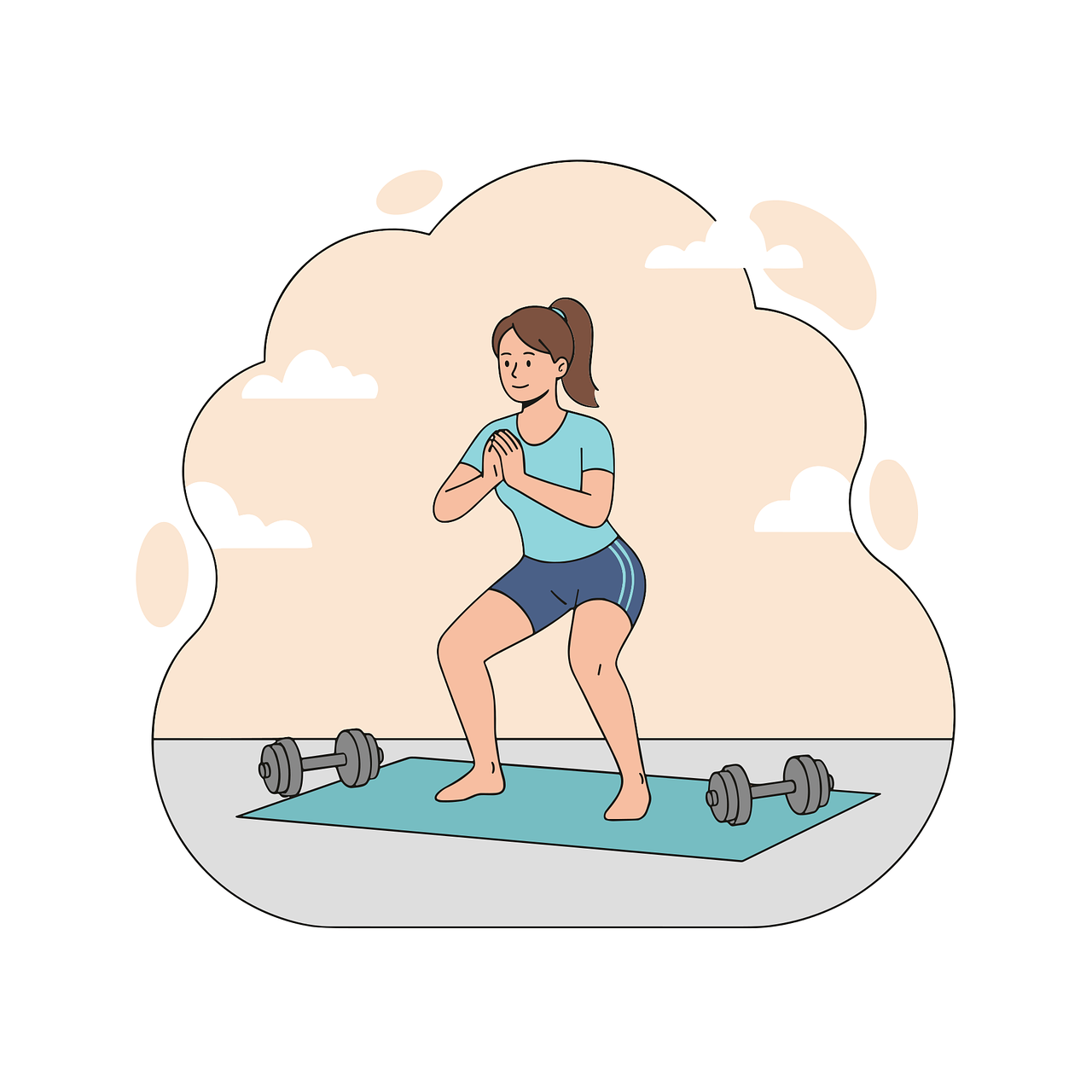
Unilateral lower body exercises are pivotal for achieving muscle symmetry and enhancing overall strength. These exercises focus on one limb at a time, ensuring that both sides of the body are trained equally. This not only helps to correct muscle imbalances but also improves functional strength, stability, and athletic performance. Incorporating unilateral exercises into your training regimen can significantly benefit your lower body workouts. One excellent example of a unilateral exercise is the single-leg squat. This movement emphasizes balance and requires the use of stabilizing muscles in the hip, knee, and ankle.
Additionally, another effective unilateral exercise is the Bulgarian split squat. This particular movement challenges the quad, hamstring, and glute of the front leg while increasing flexibility and range of motion. By focusing on one leg at a time, you help to prevent injury caused by muscle imbalances. Single-leg deadlifts are also beneficial, engaging your core and encouraging proper posture while working on balance. These exercises can lead to improved performance in sports, as they mimic the demands of various athletic movements.
Incorporating variations of traditional lifts, such as the single-leg press or lateral lunges, can further enhance lower body strength. The single-leg press isolates each limb and helps improve each leg’s strength individually. Lateral lunges work not only the quadriceps but also target the adductors and glutes. All these movements play a crucial role in developing muscle symmetry, which is essential for overall athleticism. It is advisable to start with bodyweight versions of these exercises and gradually add weights for increased resistance and challenge.
Benefits of Unilateral Exercises
One of the key benefits of unilateral lower body exercises is improved balance and stability. As one side of your body works independently, it can enhance neuromuscular coordination, which is crucial for various physical activities. Moreover, unilateral training can increase core activation as the body works to maintain balance during the exercises. This can lead to a strong core, which is essential for overall athletic performance, especially in sports that emphasize agility and quick changes of direction. Additionally, improving symmetry can lead to better overall strength gains.
Functional strength gained from unilateral exercises translates well to everyday activities and sports performance. It allows athletes to perform movements that require single-leg stabilization, thus reducing the risk of injuries during dynamic activities. Moreover, unilateral work helps in addressing weaknesses in one leg that might not be as noticeable during two-limb exercises. Regularly incorporating these exercises can lead to better muscle coordination, greater joint stability, and improved biomechanics, resulting in an overall enhanced physical capability.
To incorporate unilateral exercises effectively, it is essential to ensure proper form and control throughout each movement. Whether performing single-leg squats, lunges, or deadlifts, maintaining good technique will maximize the benefits. Start with lower resistance or bodyweight exercises before progressing to weights, ensuring that the muscles are not overstressed. For beginners, focusing on higher repetitions with lower weights can be particularly advantageous. As strength improves, gradually increasing the load will help continue making gains.
Tips for Success
To maximize the benefits, consider integrating these exercises into your regular training schedule, possibly dedicating specific sessions entirely to unilateral movements. Performing these exercises two to three times a week can yield optimal results in strength improvements and muscle symmetry. Furthermore, alternating between unilateral and traditional bilateral exercises can create a balanced training program, essential for effective lower body development. It is vital to listen to your body and adjust the intensity as needed.
Nutrition plays an equally critical role in supporting muscle growth and recovery following unilateral exercise sessions. A balanced diet rich in protein, healthy fats, and carbohydrates will fuel your workouts and aid in muscle repair. Staying hydrated is equally important as it supports overall performance and recovery. Lastly, consider consulting a fitness professional if you are new to these exercises. They can provide personalized advice to craft a program suited for your individual fitness level, ensuring effective and safe workouts. This holistic approach will culminate in improved lower body strength and muscle symmetry.