
The Importance of Hydration in Weight Maintenance
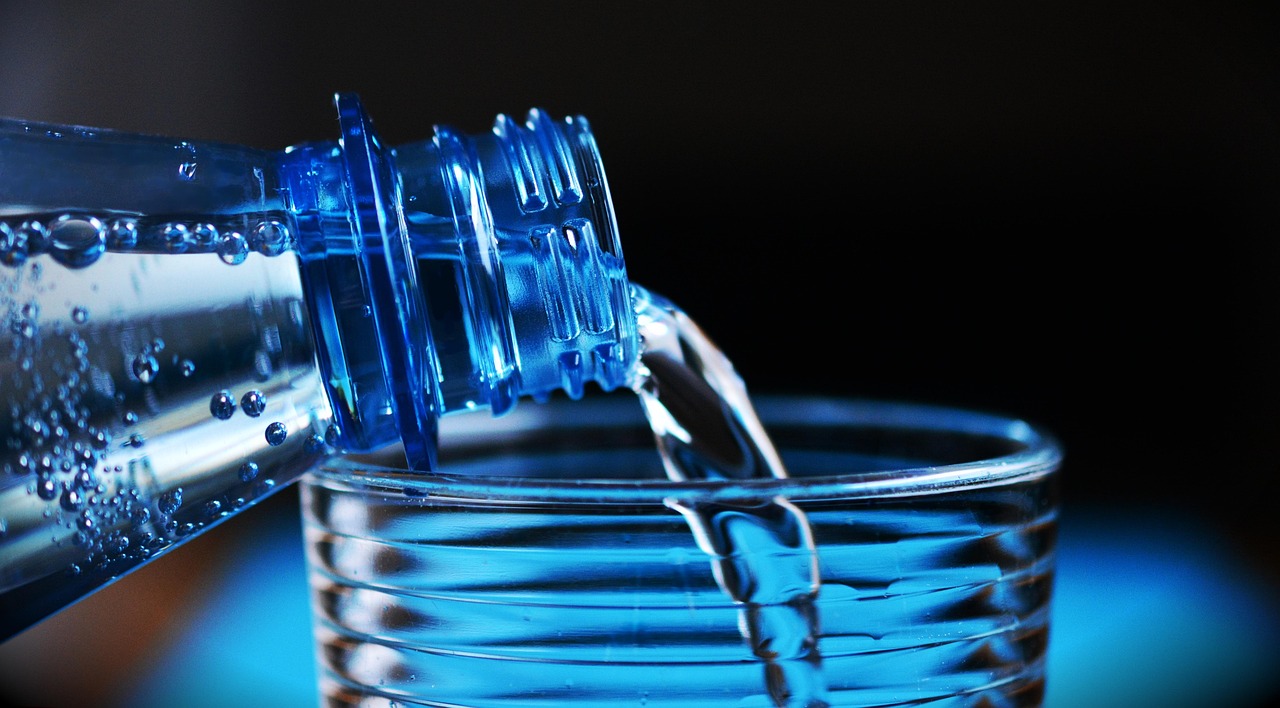
Hydration plays a crucial role in weight maintenance, acting as a fundamental aspect of overall health. Staying adequately hydrated supports bodily functions, boosts metabolism, and can even help control appetite. When individuals recognize the vital relationship between hydration and weight management, they become empowered to make informed choices. It’s important to consume sufficient water, as it helps in processing nutrients and flushing out toxins, which can assist in maintaining a healthy weight. Inadequate hydration can lead to habits like overeating, mistaking thirst for hunger. This is why keeping a water bottle handy throughout the day is a simple but effective strategy. Just remember that hydration needs vary based on factors like age, activity level, and climate. Regular consumption of water can enhance your metabolism by increasing the number of calories burned, further supporting your weight maintenance efforts. Additionally, incorporating hydrating foods into your diet, such as fruits and vegetables, can also contribute to your daily hydration levels, making weight management more achievable and sustainable in the long term. Consider drinking a full glass of water before meals, as this can reduce food intake and assist with portion control.
Maintaining hydration can also affect how well your body processes carbs and fats, which directly influences weight management. When you are dehydrated, your body may face difficulties in metabolizing these macronutrients effectively. This suboptimal processing can lead to fat storage, thereby hindering weight maintenance efforts. Moreover, drinking adequate water helps in mitigating water retention—an issue many people face. The body can hold onto excess water when it senses dehydration, leading to bloating and discomfort, which may falsely indicate weight gain. Drinking more water signals the body that it is safe to release excess fluids, thereby reducing this bloated feeling. It’s also important to incorporate electrolytes into your hydration plan, especially during exercise. Electrolytes, such as sodium, potassium, and magnesium, help maintain the balance of fluids in your body. This balance plays a crucial role in muscle function and overall well-being. To strike the right balance, consider flavored water or electrolyte-infused drinks that aren’t too high in sugar. Understanding how hydration impacts your metabolism and fat storage is essential for anyone looking to maintain their weight effectively.
Hydration and Exercise
Exercise is another area where hydration is particularly important for weight maintenance. Proper hydration before, during, and after workouts can enhance performance, reduce fatigue, and aid recovery. When you’re well-hydrated, your ability to perform at your best increases significantly. Dehydration can lead to decreased endurance and performance levels, making it harder to stick to an exercise routine. It’s recommended to drink water regularly throughout the day and to monitor your hydration status based on thirst and urine color. Light-colored urine generally indicates good hydration, while darker urine may signal the need for more fluids. Additionally, incorporating water-rich foods after exercise—like watermelon, cucumber, and leafy greens—can further rehydrate your body. If engaging in prolonged workouts or vigorous activities, consider drinking electrolyte drinks to replenish lost minerals. These steps can ensure you’re not just maintaining your body weight but also optimizing your fitness. Ultimately, maintaining the right hydration levels can make your weight management journey more enjoyable and less stressful, leading to lasting results.
Furthermore, being adequately hydrated can improve mental clarity and mood, which are vital components of a sustainable weight maintenance plan. A well-hydrated brain functions optimally, influencing decision-making processes regarding food choices. When you’re dehydrated, cognitive Functionality can decrease, potentially leading to poor choices when it comes to diet and exercise. For example, dehydration can lead to feelings of irritability or fatigue, which may trick individuals into seeking out sugary snacks for an energy boost. This cycle can become counterproductive, detracting from goals of weight maintenance. Keeping track of your daily water intake can help you stay committed to your hydration goals and improve mental performance. Optimal hydration can also lead to improved energy levels, making it easier to engage in physical activities crucial for maintaining weight. Setting reminders to drink water or using a hydration tracking app may be beneficial for you. Understanding and valuing the connection between hydration and mental health can significantly contribute to a balanced approach to weight management, encouraging healthier behaviors.
Hydration Strategies
Implementing effective hydration strategies is essential for successful weight management. One key strategy is setting regular reminders to drink water throughout the day, ensuring you continuously replenish lost fluids. Aiming for at least eight 8-ounce glasses a day is a common guideline, but individual needs may vary. Carrying a reusable water bottle can make this goal more achievable, providing easy access to hydration. Additionally, flavoring your water with slices of citrus, mint, or herbs can enhance its appeal, encouraging increased consumption. Another useful strategy is to drink a glass of water before each meal or snack. This practice can not only foster better hydration but also promote satiety, assisting you in maintaining portions. Furthermore, keeping track of hydration goals with apps or journals can further motivate you to meet your daily intake. For those engaged in physical activity, always remember to hydrate before, during, and after workouts. Knowing the signs of dehydration, such as headaches or fatigue, empowers you to act quickly and improve overall wellness. By consistently implementing these strategies, hydration can become a seamless part of your weight maintenance routine.
Lastly, hydration aids in digestion and contributes to overall gastrointestinal health, both key to weight maintenance. Drinking enough water facilitates the smooth movement of food through the digestive tract, preventing issues such as constipation or bloating. This helps ensure that the body effectively breaks down and absorbs nutrients required for energy and recovery. Drinking water before meals can also stimulate digestion, making it easier for the body to process food. Many people underestimate the importance of hydration when it comes to dietary fiber. Adequate water intake allows fiber to function correctly; it expands and adds bulk, thus promoting feelings of fullness, critical for weight management. Monitoring fluid intake can also highlight patterns related to food cravings, particularly cravings mistaken for hunger. When addressing weight maintenance, remember that hydration shouldn’t solely revolve around water; hydrating foods like soups, smoothies, or salads can bolster your efforts. Additionally, understanding your personal hydration needs can empower you to make better decisions about food and snack choices. This holistic view of wellness, emphasizing hydration, ultimately supports long-term weight maintenance goals.
Conclusion
In conclusion, hydration is an indispensable aspect of effective weight maintenance. By ensuring proper fluid intake, individuals can enhance metabolism, improve exercise performance, and boost mental clarity. These factors collectively contribute to making healthier lifestyle choices, fostering a more sustainable approach to maintaining weight over time. As detailed, developing hydration strategies such as carrying a water bottle, consuming hydrating foods, and drinking before meals can enhance your daily regimen. The importance of recognizing thirst signals and understanding individual hydration needs cannot be overstated. Given the relationship between hydration, appetite control, and digestion, consistent hydration practices can prevent the pitfalls of overeating and sluggishness. Furthermore, better hydration can improve mood, energy levels, and cognitive functions, making your health journey far more enjoyable. As you adopt a weight maintenance mindset, prioritizing hydration can make a meaningful difference. Remember that ideal hydration is personalized and may vary based on activity levels and dietary choices. Ultimately, committing to these hydration practices will not just aid in maintaining weight but can lead to a healthier lifestyle overall.
Your journey towards maintaining weight effectively begins with acknowledging the vital role hydration plays and implementing practical strategies to achieve optimal fluid intake. By doing so, you will be better equipped to enjoy the benefits that come with proper hydration, ensuring your efforts towards weight management are well-supported.