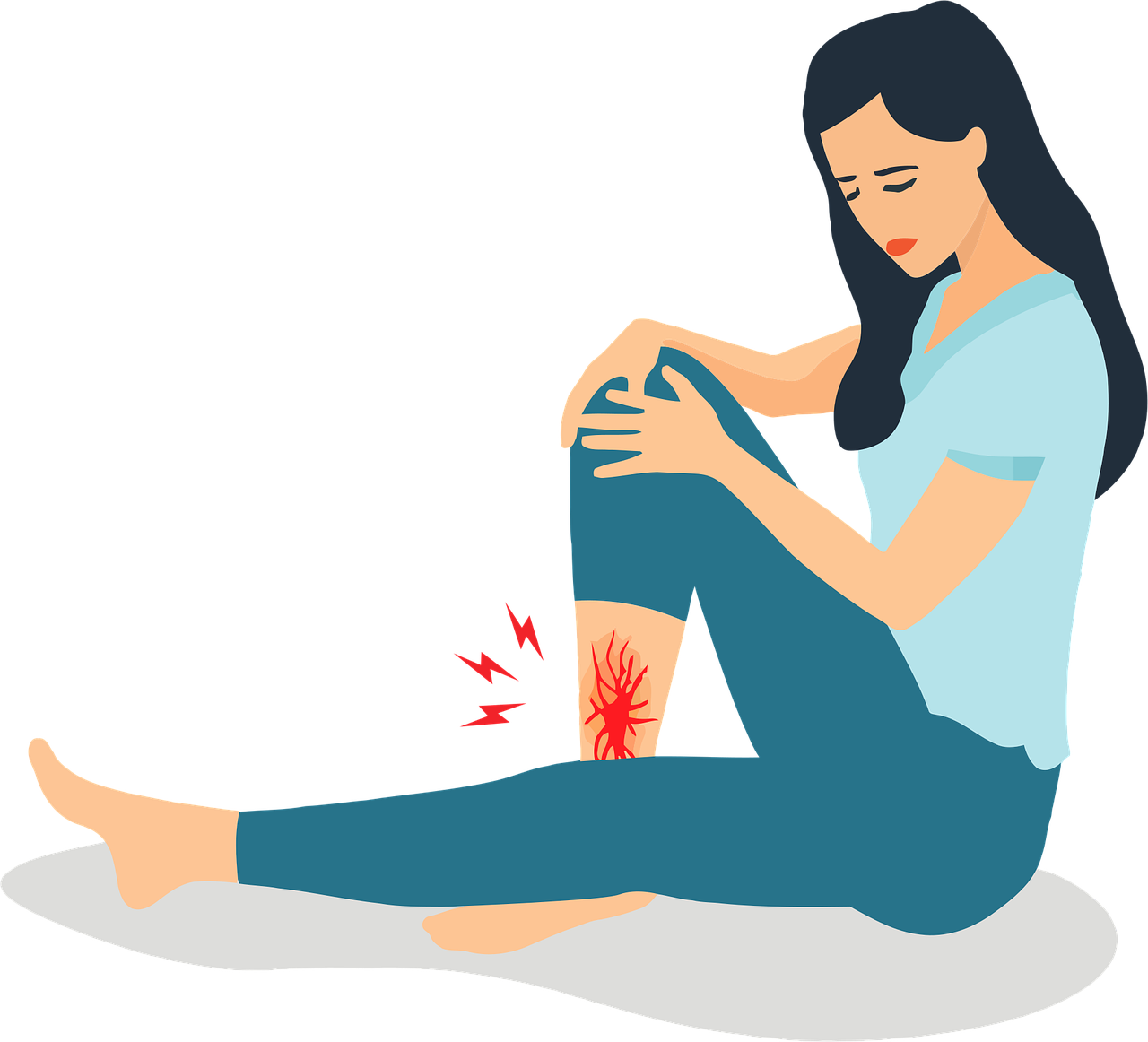

Tips for Managing Muscle Strains While Skiing
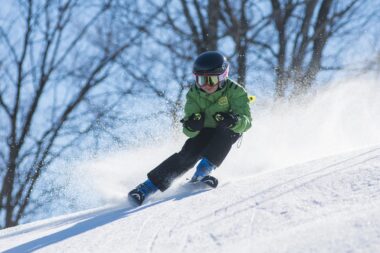
Skiing is an exhilarating sport that brings joy to many during winter months. However, it can also lead to various injuries, particularly muscle strains. Understanding how to manage these injuries is crucial for any skier to continue enjoying this activity safely. Muscle strains often occur when the muscles are overstretched or torn, and they can affect the ability to ski effectively. To manage a strain, the first step is recognizing the symptoms. Common signs include pain, swelling, and reduced mobility. Always listen to your body, and if you feel any discomfort while skiing, take a break and assess the situation. Immediate response to any strain is crucial. Applying ice can reduce swelling. Make sure to rest the injured muscle to aid recovery. After a few days, consider applying heat to improve blood circulation in the area. It’s important to avoid putting too much stress on the muscle until you are entirely healed. Consulting a physical therapist is often beneficial. They can help shape a personalized rehabilitation program, ensuring you return to skiing stronger and smarter than before.
In addition to immediate care, prevention plays a crucial role in managing muscle strains while skiing. Adequate warm-up exercises should be an essential part of your routine before hitting the slopes. Start with gentle stretches that target key muscle groups such as your quads, hamstrings, and calves. This will prepare your body for the physical demands of skiing. Hydration is equally important, as dehydration can lead to muscle fatigue and cramping. Bring plenty of water and sip regularly throughout the day. Additionally, take breaks often to prevent overuse injuries. Fatigue is a common precursor to muscle strains, so listening to your body is vital. Adjust your skiing technique if you notice any signs of discomfort. Sometimes, simple changes can significantly reduce the risk of injuries. Using the right equipment cannot be overlooked either. Ensure your ski boots fit well and provide the necessary support for your feet and ankles. A proper fit can greatly reduce muscle strain. Consider using knee braces or supportive gear for extra stability, especially if you’ve had previous injuries. Return to skiing gradually after an injury, starting with easier slopes to regain confidence.
Recognizing When to Seek Professional Help
While many muscle strains can be managed at home, knowing when to seek professional help is vital. If the pain remains intense or worsens despite home treatment, it is prudent to consult a healthcare professional. They can perform an assessment to ensure there are no severe underlying injuries, such as fractures. X-rays or MRIs may be needed to visualize deeper tissue damage. Professional guidance can prevent long-term complications and ensure proper recovery. A physical therapist can also assess your skiing form, identifying any weaknesses or imbalances in your technique. This evaluation can provide valuable insights needed to improve strength and flexibility, minimizing the risk of future injuries. Educating yourself on rehabilitation techniques is equally important. Various exercises can help strengthen the muscles around previous injury sites, ensuring that they can handle physical demands when skiing again. Creating a well-rounded training plan that focuses on overall fitness can also contribute to improved skiing performance. Engaging in cross-training activities such as strength training, cycling, and yoga can offer additional benefits. These activities enhance flexibility, core strength, and overall endurance, all crucial for preventing muscle strains on the slopes.
It’s essential to remember that every skier is different, and personal experiences with muscle strains can vary significantly. Developing a unique understanding of your body is key to managing your skiing injuries. Keep a pain diary to note symptoms, treatments that worked, and overall recovery. This will allow you to recognize patterns and identify effective strategies for managing future strains. Consult with fellow skiers or online communities about their experiences and learn from their strategies. You might also consider hiring a ski instructor for personalized advice on techniques that can minimize strain on your muscles. Professional insights can help you refine your skills while reducing the chance of injuries. Don’t underestimate the importance of mental preparedness when skiing, especially if you have dealt with muscle strains before. Cultivate a positive mindset and focus on gradual improvement instead of rushing back into skiing. Visualization techniques can help your mind prepare for future runs. Above all, embrace the philosophy of skiing smart rather than hard; your health and enjoyment should always come first. Treat skiing as a lifelong endeavor, respecting your body’s limits while exploring this beautiful sport.
Nutrition’s Role in Recovery and Prevention
Your body’s nutritional needs are critical for both recovery from muscle strains and overall performance while skiing. Quality nutrition can aid in muscle repair and reduce inflammation after injuries. Ensure your diet includes adequate amounts of protein, which helps to rebuild muscles. Foods such as lean meats, fish, beans, and nuts are excellent choices. Incorporate plenty of fruits and vegetables into your meals for their antioxidant properties, which support muscle recovery. Staying hydrated is also crucial. Water satisfies thirst while aiding in nutrient transport throughout your body. If you ski for long periods, consider sports drinks that replenish electrolytes lost through sweat. Remember not to underestimate the role of rest and sleep as well; they are when muscles repair and grow stronger. Prioritize sleep hygiene to ensure you recover fully after skiing. Establish a regular sleeping schedule, and create a calm sleeping environment. Avoid screens before bedtime to improve your sleep quality. The combination of good nutrition, hydration, and proper rest will prepare your body for the next skiing adventure. Following these guidelines can ultimately increase your resilience against muscle strains, making your skiing experience more enjoyable.
In conclusion, managing muscle strains while skiing requires a multifaceted approach that encompasses recognition, immediate care, prevention strategies, and proper hydration and nutrition. By listening to your body, implementing effective warm-up routines, and seeking timely professional advice when necessary, you can significantly mitigate the risk of future injuries. Incorporating a balanced training program, staying adequately hydrated, and fueling your body with the right nutrients can enhance your overall skiing performance. Safety should never be overlooked; always prioritize it to enjoy skiing to the fullest. Monitor your fatigue levels and take necessary breaks to rejuvenate before continuing. Establish a gradual return to the slopes if you’ve been injured, ensuring you adjust your technique to accommodate any limitations. When in doubt, do not hesitate to consult with professionals who can provide tailored advice specific to your condition. Lastly, embrace the joy of skiing while respecting your body’s limits. Every skier experiences muscle strains differently, but proper management can lead to long-lasting enjoyment of this thrilling winter sport. Share your experiences and learnings with others; it not only enriches your own understanding but fosters a supportive skiing community.
Engaging in shared experiences can empower others facing similar challenges while skiing. The world of winter sports can be competitive, yet the community often exhibits support, empathy, and encouragement. This camaraderie can lead to collective learning about injuries and ways to handle them effectively. By promoting conversations surrounding muscle strains, skiers can communicate strategies for recovery and prevention, ensuring everyone enjoys the slopes safely. Whether it’s through online forums or skiing groups, sharing knowledge can lead to better awareness about proper techniques and the importance of listening to one’s body. The more actively you engage with the skiing community, the richer your experience becomes, and the better you can inform yourself on injury management practices. Communities can also provide opportunities for professional workshops that educate on skiing safety and injury management. Consider becoming involved in such events to enhance your understanding further. Knowledge and preparedness are invaluable tools for preventing skiing injuries. This proactive attitude ensures that not only do you safeguard yourself but that you also promote safety among your peers. The slopes should be enjoyed. With the right practices, you can continue contributing to a healthy skiing environment for all.
Ultimately, the goals of all winter sports enthusiasts should center on enjoyment and personal safety. Skiing should be an adventure, not a source of injury or distress. Each skier must find the balance between pushing limits and respecting their body’s signals. Creating a supportive infrastructure for dealing with muscle strains is paramount. Work towards building a personal strategy that includes proactive measures like warm-ups, proper nutrition, hydration, and thoughtful skiing practices. Recognize that injuries, when they do occur, should not discourage your passion. Instead, they should serve as learning experiences that guide you toward better management in the future. Together, through mutual support, education, and strong community ties, we can transform winter sports into safer, more fulfilling activities. As we educate ourselves and others, skiing will remain a cherished pastime. Embrace this season with knowledge, care, and cautious enthusiasm. Remember, the mountains are vast and full of potential, but respect for your body and its limits is what truly makes a skier thrive in their sport. May this winter bring not only challenges but also triumphs on the slopes!