
Understanding Swimmers’ Joint Health
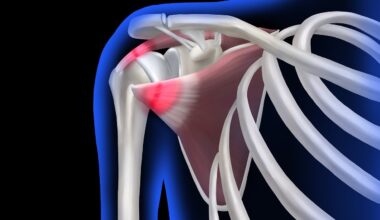
Swimmers are particularly susceptible to joint-related injuries due to the repetitive nature of their activities while training in water. The stress that swimming places on joints can lead to various conditions, including tendonitis, bursitis, and swimmer’s shoulder, among others. Understanding the mechanics of swimming strokes, such as freestyle and butterfly, plays a crucial role in identifying risk factors. Key aspects to consider include body alignment, stroke technique, and force application during swims. Proper analysis of these factors allows for targeted interventions that may prevent injuries. Sports scientists often examine biomechanics and provide insight on posture and movement efficiency, which can help swimmers optimize performance while safeguarding their joints. Additionally, implementing strength training programs tailored to address specific muscle groups used in swimming may reinforce joint health. The benefits of this proactive approach, combined with the expertise of a sports scientist, can make a significant impact. Injury prevention not only enhances the length of a swimmer’s career but also ensures they can maintain their peak performance levels over time. The integration of professional training and scientific understanding contributes immensely to the longevity of athletes’ athletic journeys.
Research in Aquatic Sports Science highlights how tailored programs can specifically reduce the incidence of injuries among swimmers. A focus on strength, flexibility, and recovery is essential in the prevention strategy. Swimmers often undergo intense training regimens that demand physical resilience, understanding the recovery aspect becomes critical. The type of training that swimmers engage in must take joint health into account to mitigate the risk of injuries. Implementing recovery strategies, such as active stretches and foam rolling, has shown promise in maintaining joint function. Furthermore, recovery protocols may involve nutrition plans designed to support the body’s needs after strenuous activities. Engaging with a sports nutritionist can help swimmers discover how specific diets can aid recovery and prevent injuries. Educational programs and resources on joint care further equip swimmers and coaches with knowledge that becomes instrumental in injury prevention. Access to such resources can greatly enhance the swimming community’s outlook on maintaining joint integrity. Ultimately, the role of sports science in these areas is becoming increasingly critical, as it guides effective practices that ensure athletes remain active and healthy.
Biomechanics in Swim Training
Biomechanics is fundamental in understanding how swimmers can improve their technique while minimizing stress on their joints. Analyzing swimming strokes through biomechanical perspectives allows for fine-tuning practices that directly influence performance and health. Key aspects of biomechanics include the angles of joints, force applied during strokes, and overall body dynamics in water. Sports scientists utilize advanced technology, such as motion capture and underwater video analysis, to assess these factors closely. By identifying technique flaws early, corrective strategies can be implemented, such as modifying body positioning or altering stroke patterns, ensuring healthy joint movement. Additionally, coaches can develop personalized drills tailored to an individual swimmer’s unique biomechanics, which inherently reduces injury risk. Adhering to these practices creates a richer learning experience, allowing swimmers to connect their physical capabilities with scientific principles. Training should always encompass not only the physical but also the biomechanical principles inherent in swim techniques. Emphasizing biomechanics in training regimens can lead to enhanced performance, resulting in lower injury rates and overall improved athlete wellness.
A significant aspect of joint health pertains to flexibility, which plays an integral role in injury prevention among swimmers. Flexibility training enables a broader range of motion that significantly enhances swim performance and decreases stress on joints. Sports science advocates for specific stretching routines tailored to swimmers that focus on major muscle groups involved in arm and leg strokes. Dynamic stretching, in particular, serves as an excellent pre-training routine to replicate swimming motions and warm up the muscles effectively. On the other hand, static stretching can be incorporated post-training to assist in recovery and maintain joint mobility. Regular assessments of flexibility can also identify individual deficiencies that swimmers may need to address through targeted workouts. Monitoring progress in flexibility throughout a swimmer’s training period is essential for optimal health. Coaches can collaborate with sports scientists to develop assessments and progress measures accordingly. By placing emphasis on flexibility, swimmers can develop stronger joints and provide themselves with a better foundation to perform over the long haul. Creating a culture of joint care and flexibility also reinforces the importance of these practices among younger generations of athletes.
Importance of Strength Training
Parallel to flexibility is the role of strength training in fostering joint health for swimmers. Research indicates that a well-rounded strength conditioning program tailored for aquatic athletes can significantly reduce injury risk related to overuse. Targeting muscle groups engaged in swimming helps reinforce the joint structures, allowing swimmers to exert force more effectively and efficiently. Sports scientists advocate for a combination of resistance training and body-weight exercises that develop core stability, leg strength, and shoulder endurance, as these areas are particularly taxed during swims. An increased muscular support framework directly correlates to better joint alignment, which diminishes wear and tear. Implementing such programs requires tailoring the intensity and modality to fit individual swim style and performance objectives. Coaches should collaborate with sports trainers and strength specialists to create effective and personalized training programs. Incorporating periodization in strength training ensures that swimmers maintain peak physical conditioning without risking burnout or injury. This structured approach fosters a healthier training environment, mitigating injury risks while supporting athlete competitiveness. In essence, strength training becomes a powerful tool in an athlete’s arsenal for joint health and injury prevention in aquatic sports.
Nutrition significantly contributes to joint health too, emphasizing the need for a holistic view in sports science. A balanced diet rich in anti-inflammatory foods ensures that swimmers have adequate nutrients for joint repair and longevity. Omega-3 fatty acids, often found in fish oil, alongside antioxidants, can enhance joint recovery while combating inflammation. By consulting with nutritionists, swimmers can adopt eating strategies that sustain energy levels while promoting overall joint health as well. Maintaining hydration also plays a fundamental role; joints require adequate fluid balance for optimal function. Research suggests a correlation between dehydration and joint pain, underlining the need for careful fluid management. Swimmers should be educated on maintaining hydration levels before, during, and after practice or competitions to prevent discomfort. Understanding the comprehensive relationship between diet, hydration, and joint health can lead athletes to make informed food choices that support their rigorous training. With sports scientists, nutritionists, and coaches working together, a communal approach to nutrition can ensure that swimmers are set for success while maintaining their well-being throughout their careers.
The Role of Injury Rehabilitation
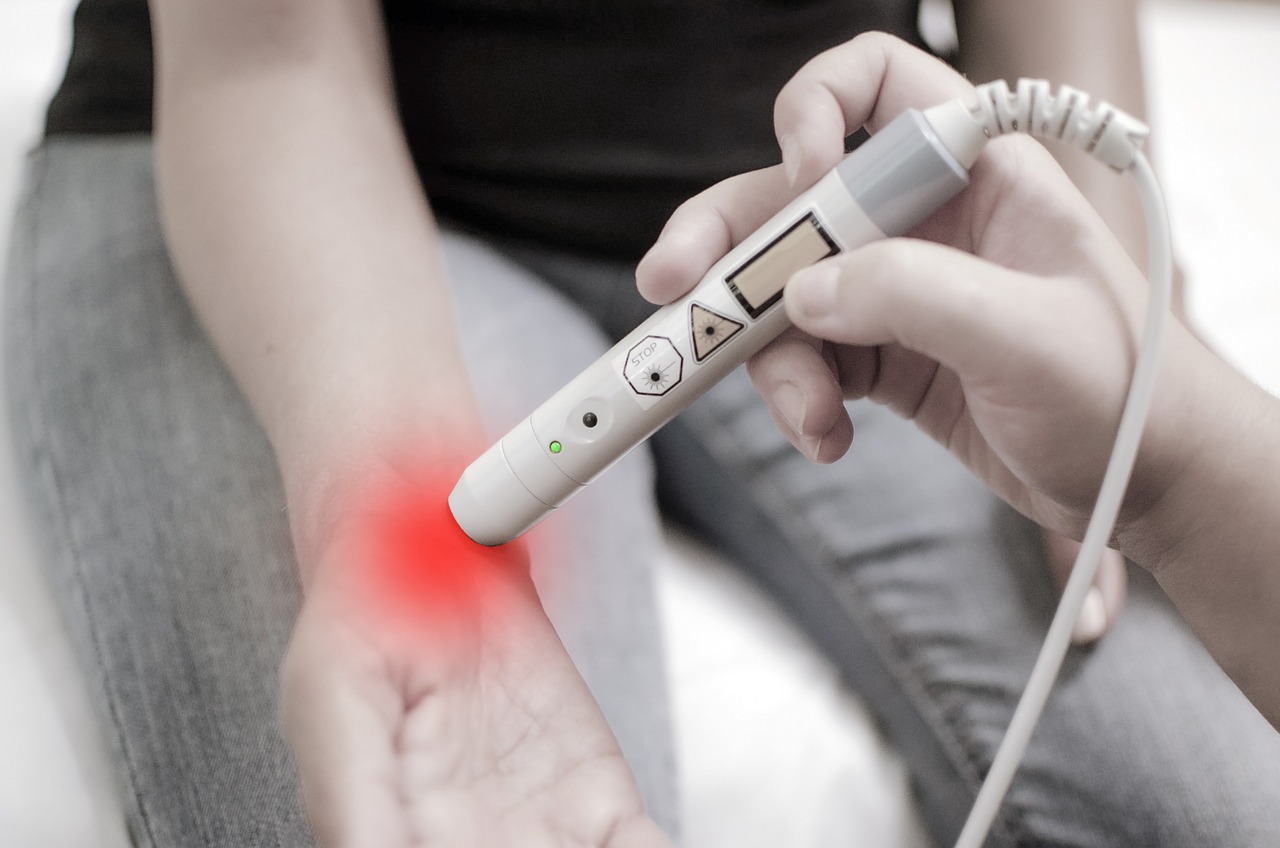
Injuries do occur, and having comprehensive rehabilitation protocols in place is essential for a swift return to optimal performance. Sports science provides profound insights into injury recovery, emphasizing the importance of a structured rehabilitation program that specifically addresses the swimmer’s needs. This program often includes physical therapy, joint mobilization, and gradual reconditioning in the water. Timing is critical; athletes must approach recovery with care to avoid re-injury. Engaging with sports physiotherapists who specialize in aquatic sports ensures that swimmers benefit from tailored strategies that align with their unique conditions. Additionally, mental health plays a significant role during recovery; understanding the psychological impact of injury recovery is crucial. Implementing mental resilience training can support swimmers throughout their rehabilitation journey, aiding them in overcoming emotional hurdles. Restoring swimmers’ confidence post-injury becomes equally important. Reinforcing the swimmer’s belief in their recovery and capacity to return to competitive form can influence performance outcomes significantly. All these considerations showcase how sports science intersects with rehabilitation, highlighting effective strategies that keep athletes informed and motivated during their healing process.
Overall, the integration of sports science into aquatic sports provides invaluable tools and resources for managing joint health effectively. From biomechanics to nutrition, various factors interplay to strengthen and preserve the well-being of swimmers. By harnessing scientific knowledge and developing comprehensive training and rehabilitation protocols, swimmers can enjoy longer, healthier careers without the burden of chronic injuries. Furthermore, promoting awareness about injury prevention techniques benefits both competitive and recreational swimmers, making aquatic sports a safer environment for all. Future research advancements in this field hold the promise of uncovering even more tailored approaches for injury prevention. While challenges exist in the competitive arena of swimming, the pivotal role of sports science shapes the protection and fortification of athlete’s joint health. This careful balance of practice, expertise, and commitment enables swimmers to flourish in their passion and achieve their goals successfully. Focusing on constant improvement, education, and awareness helps sustain a vibrant swimming culture, emphasizing the importance of joint health. Ultimately, sports science will continue to be a cornerstone for the advancement of aquatic sports and athlete longevity.