
Snowmobiling and Snow Safety: Understanding Avalanche Risks
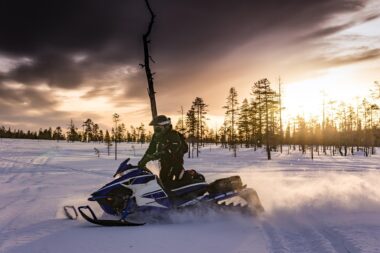
Winter sports enthusiasts know that snowmobiling can be both exhilarating and dangerous. Proper understanding of snow safety is essential for those looking to navigate snowy terrains safely. Snowmobiling adventures attract countless adrenaline seekers, but many overlook the crucial aspects of avalanche risks. Avalanches can pose serious threats, and being informed is your best defense. The key lies in recognizing avalanche-prone areas, typically characterized by a wide range of factors. As a snowmobiler, you should always check local avalanche forecasts before embarking on any trip. Engaging with experienced snowmobilers or professionals can provide insights into safe practices. Learning about snow types and their reactions to various weather conditions can ultimately save lives. Many snow fabrication and terrain features contribute to avalanche risks, which should not be underestimated. Awareness of these factors can significantly enhance your safety experience in the backcountry. Snowmobiling organizations often offer courses focusing on avalanche safety, including rescue techniques. Attending these courses is invaluable, providing practical skills that can save a life in emergencies. Never forget that preparation is key when enjoying winter sports amidst snowy landscapes.
Understanding Avalanche Dynamics
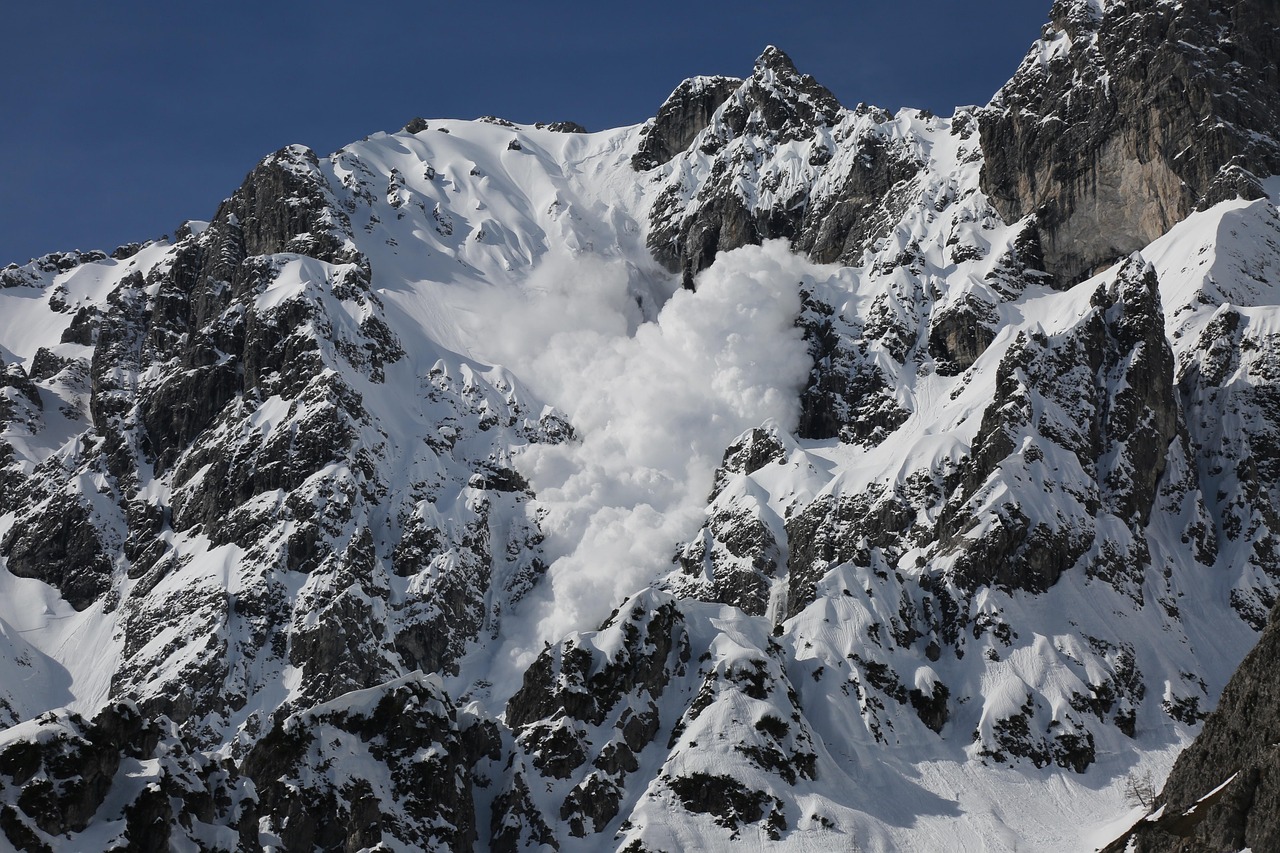
To effectively navigate snowy environments while snowmobiling, understanding avalanche dynamics is crucial. Avalanches are essentially large masses of snow that detach from mountains. They can be triggered by natural causes like rain or heavy snowfall, or even human activities. As a snowmobiler, knowing when and where these occurrences are likely to happen can significantly enhance crew safety. Factors to consider include snow depth, temperature, and wind patterns, all of which influence snow stability. Avalanche training courses introduce you to the concept of terrain traps, which can amplify the risk during an avalanche. Important terms like avalanche slab and loose snow avalanches help in studying these phenomena. It’s vital to distinguish between different snow types, as they all react differently under pressure. Additionally, using equipment such as beacons and probes will escalate your chances of avalanche survival, giving you tools for both prevention and rescue. Always travel in groups and establish communication protocols. Remember, each snowmobiling adventure in the backcountry should prioritize safety; comprehending these essentials helps pave the way for remarkable, life-enriching experiences.
Furthermore, checking the avalanche forecast before heading out cannot be emphasized enough. Avalanche forecasts provide critical information based on local conditions and are compiled by professionals monitoring the terrain. Information regarding recent snowfalls and temperature variations can help you assess potential risks. Having a mindset geared towards safety can assist in making informed decisions while exploring the backcountry. Always carry appropriate gear including shovels, bags, and first-aid kits as a contingency plan. These items can potentially be life-saving during an unexpected avalanche. Surviving an avalanche is about having the right tools and knowledge. More importantly, communicating with others in your group will enhance your safety. Establishing roles and checking equipment prior to departure is fundamental. Additionally, participating in guided snowmobiling tours can provide insights for newcomers regarding safe practices in unfamiliar areas. Tour guides often have extensive knowledge of the terrain and can highlight potential hazards. If you’re a novice, leveraging their expertise can be invaluable. To sum up, never compromise on safety, and make avalanche awareness a priority during your adventures.
Equipment Essentials for Snowmobiling
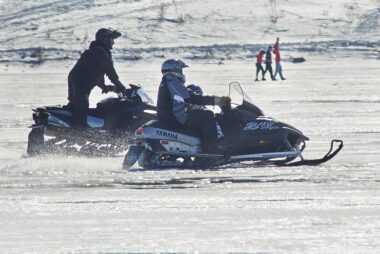
Equipping yourself with the required gear before heading out is paramount for your safety. A thorough checklist can ensure you pack everything you need for a safe snowmobiling experience. First and foremost, invest in a reliable avalanche beacon; this device is indispensable in locating missing individuals after an avalanche occurs. Next, you should carry a shovel, as it serves a dual purpose: snow clearing and an essential rescue tool. A snow probe is another important piece of equipment; it allows you to search for victims buried under the snow quickly. Wearing proper protective gear, such as helmets and goggles, is equally vital to safeguard against injuries. Dress in layers to maintain warmth while being mobile; understanding layers will pay off in unpredictable weather. Additionally, snowmobiles should be inspected before every trip, checking their parts and fuel levels. Some even recommend carrying extra fuel on longer adventures for peace of mind. Also, familiarize yourself with the safety features on your snowmobile. Knowledge of safety practices combined with the right equipment not only facilitates enjoyable excursions but also enhances overall safety.
Another consideration when snowmobiling in avalanche-prone areas is route planning. Focusing on safe trails and mapping out your journey helps in avoiding risky zones. Many resorts and national parks provide marked trails that are regularly maintained and checked for avalanche risks. Utilizing these safer options can drastically reduce your exposure to potential hazards. Additionally, joining a snowmobiling club or community can offer valuable trail information and help connect you with experienced riders. Local knowledge often yields insights into the terrain and elevates safety during snowmobiling adventures. It is advisable to share your trip details before heading out. Always inform someone about your intended route and anticipated return time. In the event of an emergency, this information can be crucial. Finally, keeping an eye on weather changes throughout your expedition can signal increasing risks and should guide adjustments in your plans. Understanding the environment around you, combined with thoughtful planning, can make a significant difference in your safety and enjoyment while snowmobiling. Always prioritize preparation, as the mountains can be both awe-inspiring and dangerous.
Avalanche Rescue Techniques
Knowing how to respond during an avalanche is crucial. Having training in avalanche rescue techniques prepares you to act efficiently in emergencies. The first step is to maintain composure and assess your surroundings. Understanding how to utilize safety gear can make all the difference. The protocol includes locating your avalanche beacon and activating it promptly. Communication among group members is vital; always appoint a leader to coordinate rescue efforts. If someone goes missing, begin searching immediately, ensuring all group members maintain updated maps and equipment. Digging techniques are paramount; use your shovel wisely and understand how to search for a victim quickly during a rescue operation. If you find someone buried, chief actions include clearing snow away from their face first; then, initiate rescue breathing if necessary. Familiarizing yourself with resuscitation techniques can save a life. Involving emergency services comes next once the immediate situation is under control. Regularly practicing these techniques will build your confidence and effectiveness in real life scenarios. Gathered knowledge, preparedness, and team effort are the cornerstones of safety during snowmobiling experiences in avalanche zones.
Moreover, it’s essential to understand that snow safety encompasses more than just recognizing avalanche risks. Proper training in first aid should be an integral part of your winter sports preparation. Accidents can happen unexpectedly, and knowing how to handle them can alleviate situations when help may be far away. Familiarize yourself with common winter injuries such as frostbite and hypothermia, and learn to administer emergency care accordingly. Carry a comprehensive first-aid kit packed with specialized items suitable for winter conditions. Additionally, consider taking part in a certified first aid course aimed at outdoor emergencies. This training can equip participants with the knowledge to care for a variety of scenarios. Also, develop a proactive approach; keeping tabs on weather forecasts and local advisories aligns you with important information relevant to your journey. Investigate options available in your community, including winter outdoor safety workshops. They often provide materials and real-life scenarios for engaging participants. Ultimately, investing time and resources into your winter sports education can translate into enhanced safety, ensuring that your snowmobiling adventures remain both thrilling and secure throughout the season.
Conclusion: Always Be Prepared
In conclusion, snowmobiling and avalanche safety require ongoing education and preparation. This combination is critical for ensuring both safety and enjoyment in winter landscapes. Understanding avalanche risks, learning essential rescue techniques, and being equipped for emergencies form the foundation of a safe snowmobiling adventure. Planning routes, analyzing local weather, and staying informed of avalanche advisories assist in creating a responsible approach during winter sports. Investing in gear, acquiring skills, and maintaining communication with group members are essential components. Every snowmobiler should practice situational awareness by keeping an eye on environmental changes and adjusting plans as needed. Throughout all your snowmobiling experiences, make it a habit to prioritize safety at every turn. Join local clubs or communities for shared experiences, and participate in training sessions to continuously enhance your skills. With due diligence and respect for the environment, snowmobiling adventures can be safely enjoyed while exploring beautiful, snow-covered landscapes. Embrace the winter sports spirit; pursue thrill and safety in balance, and foster unforgettable memories in the snow. Remember, your journey is not only about the ride but about ensuring every participant returns home safely.