
Step-by-Step Guide to Rebuilding Core Stability Post-Birth
Postnatal recovery is a crucial aspect of motherhood, especially focusing on core rehabilitation. After childbirth, many women experience weakened abdominal muscles and pelvic floor dysfunction. This rehabilitation process requires a tailored approach that allows for gradual strengthening. It’s essential to prioritize building a strong foundation while ensuring safety and comfort. Begin by consulting with a healthcare provider, such as a physical therapist or postpartum specialist, who can evaluate your individual needs. Additionally, starting with gentle activities like breathing exercises and light stretching can significantly benefit your recovery. Body awareness plays an integral role, so listen to your body’s signals and adjust any exercise accordingly. Establishing a routine will help you remain consistent and motivated. To track your progress, consider maintaining a journal to document your exercises and feelings over time. Always remember that patience is key, as recovery from childbirth can be a gradual journey requiring ongoing dedication and support. Emphasizing holistic approaches in your rehabilitation will ultimately lead to improved stability and functionality.
Understanding Core Stabilization
Core stabilization involves not only the abdominal muscles but also the entire pelvic girdle and surrounding musculature. It’s essential to understand how these components work together to maintain balance and stability. Within this region, specific muscles, like the transverse abdominis, play an important role in acting like a natural corset. Engaging these muscles correctly is vital for reducing back pain and improving posture. Furthermore, incorrect engagement can lead to complications such as diastasis recti, which occurs when abdominal muscles separate. It’s beneficial to incorporate deep breathing techniques alongside targeted exercises to aid in effective muscle activation. As a new mother, you might feel overwhelmed; however, prioritizing your core rehabilitation is crucial for your long-term physical health. To get started, begin with exercises such as pelvic tilts, bridges, and modified planks that focus on stabilization rather than large movements. Avoid high-impact activities until you feel comfortable. Consulting postpartum exercise guides can further enhance your understanding of safe exercises suitable for your stage in recovery.
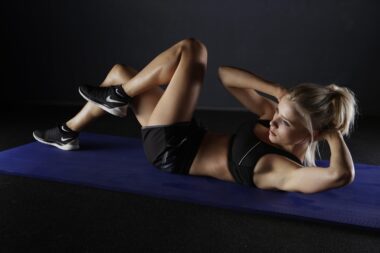
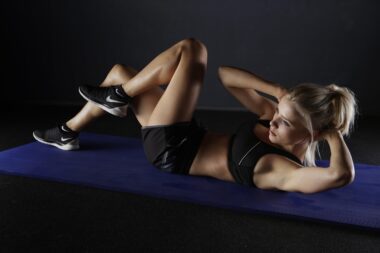
To effectively target the core, begin incorporating exercises specifically designed for postnatal recovery. Start with gentle movements that activate the core without strain. Simple pelvic floor exercises, such as Kegels, can strengthen the pelvic area, allowing better control and support for your core. As your strength builds, you can progress to more challenging movements like modified crunches and isometric holds. Consistent practice at least three times weekly can promote better engagement of the core muscles. It’s important to focus on form rather than speed, ensuring each movement is performed with deliberate precision. Utilizing online resources and video tutorials can provide visual guidance and enhance your understanding of proper techniques. Additionally, connecting with other mothers can provide accountability and encouragement during this phase. Remember to take adequate rest periods between exercises to allow your body to recover and rejuvenate. Gradually increasing the complexity of your routine, while still tuning into your body’s feedback, will lead to successful rehabilitation over time. Keeping your goals realistic will also aid in maintaining motivation and satisfaction with your progress.
Incorporating Safe Exercises
As you progress in your postnatal recovery journey, it’s important to incorporate safe exercises effectively. Activities like walking at a comfortable pace can work wonders for improving circulation and overall well-being. Over time, you can gradually introduce low-impact activities like swimming or cycling. These activities not only support core rehabilitation but also help improve cardiovascular health. Always ensure that you’re staying hydrated and listening to your body while engaging in any physical activity. Group classes tailored for postnatal fitness may offer additional motivation and community support. Engaging in core strengthening exercises combined with relaxation techniques, such as yoga, can foster both physical and mental rejuvenation. Focus on alignment and body awareness throughout these exercises to optimize results and minimize injury risks. Additionally, integrating mobility and flexibility work into your routine will enhance overall stability. Consider reaching out to professionals with expertise in postnatal fitness to receive guidance and modifications tailored to your unique situation. Remember, consistency is crucial, but so is the ability to adapt to each day’s varying energy levels and physical comfort.
As you advance in your core rehabilitation journey, celebrating small victories can significantly boost your confidence. Monitoring improvements in core strength and coordination can be motivating and enhance your overall experience. It’s essential to set achievable goals that align with your current abilities, ensuring they remain realistic and attainable. Engaging friends or family can help provide a supportive network to celebrate your milestones together. Customizing a workout plan based on your progress helps maintain engagement and interest in your recovery routine. Incorporating functional movements can simplify daily tasks, ultimately aiding your postnatal rehabilitation process. Focus on exercises that mimic everyday activities, such as picking up objects or twisting movements, to enhance functional core strength. Adapting your exercises as your fitness level improves is key to ensuring ongoing progress. Investing in comfortable workout clothing can also impact your motivation, making it easier to engage in physical activities consistently. As time passes, you will likely notice improvements not just in your core strength but also in your overall well-being and confidence, celebrating every step, no matter how small.
Preventing Common Postnatal Issues
As you pursue core stability post-birth, it’s essential to be aware of common issues that may arise. Diastasis recti, pelvic floor dysfunction, and back pain are some complications that new mothers might face during their rehabilitation journey. Understanding how to identify these concerns is crucial in preventing them from escalating. Working closely with a qualified healthcare provider can give you valuable insights into your body’s condition and the best practices to adopt. Modifying traditional exercises and focusing on low-impact movements is advisable for those experiencing discomfort. Integrating proper breathing techniques and maintaining core engagement during all exercises can effectively alleviate strain on the abdominal muscles. Awareness and education are vital for managing these concerns, as many new mothers face similar challenges but may not discuss them openly. Joining support groups can help facilitate discussions about recovery and share helpful insights. Staying proactive about your core rehabilitation can prevent these common issues from hindering your overall progress. Ultimately, prioritizing your health will create a solid foundation for both you and your family in the long run.
Establishing a routine that includes mindfulness techniques can enhance your postnatal core rehabilitation experience. Techniques such as meditation or deep breathing exercises promote mental clarity and stress reduction. Reducing stress is critical during the postnatal period, as it directly impacts both mental and physical health. Pairing mindfulness practices with your core exercises can cultivate a more mindful approach to physical fitness, improving the mind-body connection essential for recovery. It’s also beneficial to allow time for rest and self-care, recognizing the significance of mental wellness. Allocating time each week for activities you enjoy can rejuvenate your motivation and foster a positive outlook. Engaging in hobbies, reading, or spending time with loved ones can provide essential emotional nourishment. Furthermore, consider incorporating gentle stretching or foam rolling into your routine, relieving muscle tightness and promoting relaxation. Finding a balance between exercise and personal time is crucial. As you continue your rehabilitation, invest in your mental health, knowing that emotional well-being plays a vital role in the overall recovery process. By nurturing both your body and mind, you will experience enhanced vitality and strength.
Conclusion and Moving Forward
In conclusion, the journey of postnatal core rehabilitation requires time, patience, and dedication. Embracing this journey with mindfulness and understanding will foster a more positive experience. Start with low-impact exercises to gradually strengthen your core and avoid injuries. Engaging the assistance of professionals in postnatal rehabilitation can provide tailored advice and support. Seek out local classes or online programs that specialize in postnatal recovery, ensuring they align with your specific goals and abilities. Always remember that recovery is not a linear process; there will be ups and downs along the way. Emphasize self-compassion and celebrate your small achievements as you progress. Additionally, staying connected with fellow mothers can create a support network that fosters encouragement and resilience. Fostering a healthy relationship with your body will aid immensely in your recovery. As you move forward, remain open to adapting your exercises based on your progress and comfort. This process is about honoring your body’s journey and building a strong foundation for the future. Ultimately, by focusing on nurturing both your physical and mental health, you are paving the way for a happier, healthier motherhood.