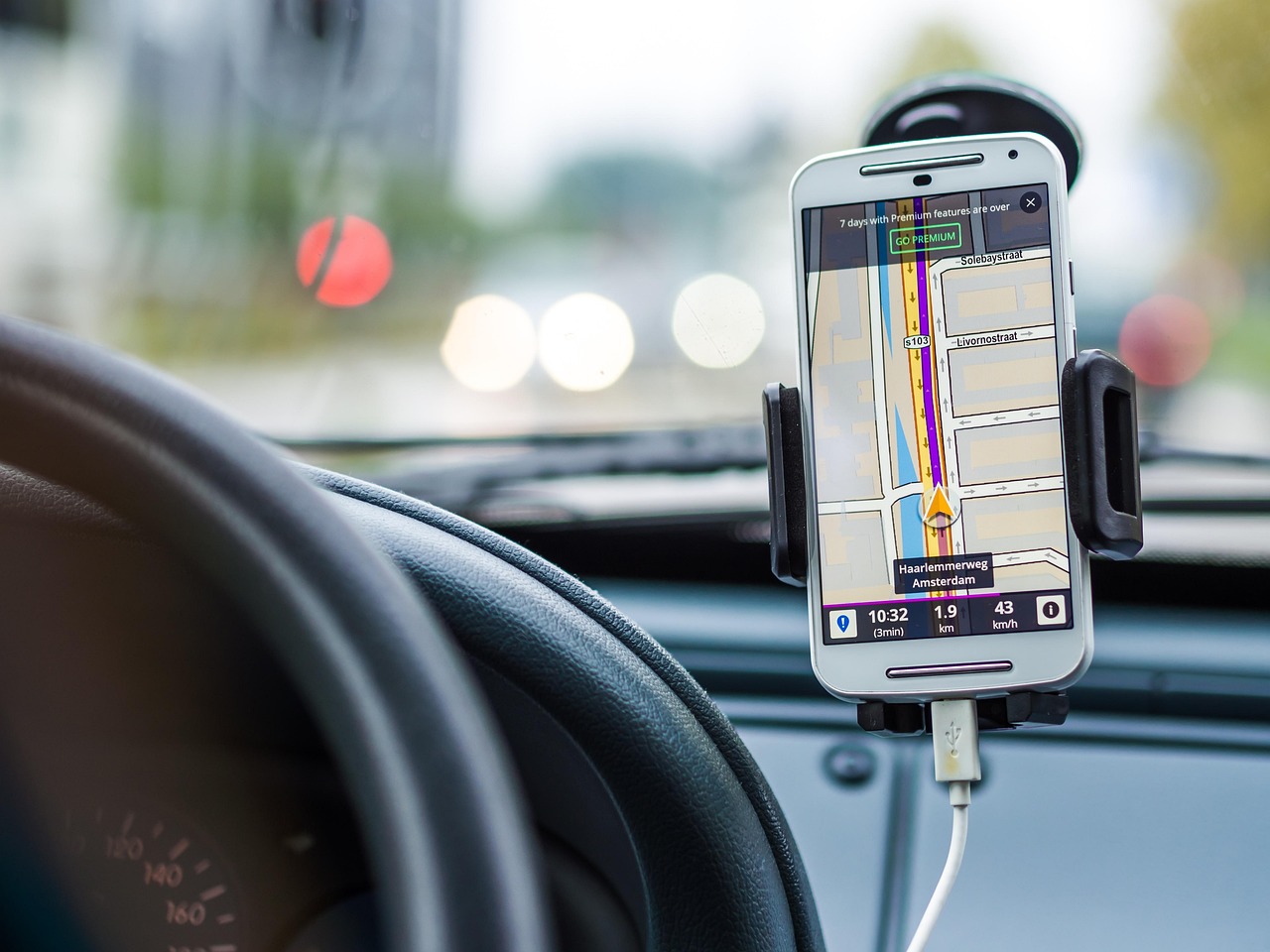

Using Technology for Navigation
Ice climbing, while demanding incredible physical exertion and skill, can also greatly benefit from technological advancements. As climbers traverse challenging terrains, the role of apps for navigation becomes crucial. Many climbers often face unpredictable weather conditions, which can obscure tracks and landmarks. Special mobile applications can provide real-time GPS tracking, ensuring safety and precise location information. Through these platforms, climbers can plan their routes better, saving time and energy. Advanced mapping features allow climbers to visualize changes in elevation, thereby aiding decision-making. Furthermore, users can share their routes and experiences, creating a community of informed climbers. Some apps allow you to mark potential hazards or noteworthy points along the way. As climbers share their data, they contribute to a collective safety net for others in the area. This enrichment of knowledge is invaluable as it enhances the overall community experience. With constant updates, many of these applications leverage satellite imagery to provide extensive details. Ultimately, technology is not just a tool; it’s a revolution in climbing planning and execution, leading to safer and more enjoyable ice climbing adventures.
Climbers often rely on multiple tools to ensure their navigation is as efficient as possible. While traditional maps and compasses have long served climbers, digital advancements have translated these approaches into something far more user-friendly. Many climbers have opted to embrace smartphones that can store crucial climbing information, including weather trends, ideal climbing routes, and historical data for the climbs they’re about to undertake. In an age of smartphones, excellent applications have been designed specifically for climbers that make navigation a breeze. Some of these applications provide offline access to maps, which is particularly advantageous in remote areas where cell service is limited. Enhancing navigation with these tools allows climbers to focus more on the climb itself, rather than worrying about getting lost. Additionally, these apps often provide community features where users can share climbing experiences, tips, and current routes. The information shared through these applications makes the climbing experience richer for everyone involved. This technological integration complements climbers’ traditional gear perfectly, allowing them to stay informed while navigating the beautiful yet merciless icy landscapes. The marriage of nature and technology is indeed a remarkable development.
Best Apps for Ice Climbing
Several applications stand out in the ice climbing community for their innovative features. One such app is Mountain Project, which provides extensive information on routes, including user-submitted photos and descriptions. This app allows climbers to view other climbers’ experiences and gauge potential hazards or unique challenges. Another highly recommended app is Gaia GPS, known for its detailed topographic maps. Climbers can download maps for offline use, ensuring they have access to critical navigation data without needing a cell signal. The Climb App is also worth mentioning; it offers climbing logs, route planning, and community interactions. By using these apps, climbers maintain a high level of preparedness, even in remote locations. The shared knowledge within these platforms is unparalleled, with climbers supporting one another through reviews and experiences. Through efficient navigation, climbers can also assess their equipment better, ensuring they have the gear necessary for specific conditions. Each app cultivates a culture of safety and preparedness, steering climbers towards responsible and enjoyable experiences on the ice. Adopting these apps can truly elevate one’s climbing journey and make it more successful.
Learning to use these navigation apps effectively can significantly enhance a climber’s safety and enjoyment. Not only is it crucial to download maps and familiarize oneself with available features, but climbers should practice using these tools before embarking on actual climbs. Understanding how to set waypoints and read the terrain’s contours can make a notable difference in a dangerous environment. Additionally, climbers should regularly update their apps, as developers often add features and revise data based on community feedback. Participating in forums or groups related to these technologies can further refine climbers’ skills in utilizing them. Several climbing groups have created tutorials assisting new users in leveraging full app functionalities. Awareness of battery life is also essential for climbers since actively using navigation apps can drain a smartphone. Thus, bringing a portable charger is advisable. While technology simplifies navigation, climbers should never solely rely on their devices. Maintaining a backup plan, such as traditional maps and compasses, is key to responsible climbing. Ultimately, becoming adept at these technologies ensures that climbers enjoy enhanced safety, enriching their ice climbing adventures while embracing nature confidently.
The Future of Ice Climbing Tech
As technology continues to advance, the possibilities for ice climbing navigation seem limitless. Future innovations like augmented reality could reshape how climbers see their surroundings, overlaying essential information directly onto their field of vision. Imagine having access to real-time weather changes or route navigation directly in your line of sight without having to glance down at a device. Moreover, integrations with smart wearables can send alerts about environmental dangers or enhance communication between climbing partners. Drone technology could play a part in scouting potential routes or identifying ice fall hazards before climbers even set foot on the ice. These advancements not only promise improved safety but also allow climbers to engage with their environment in new and exciting ways. Furthermore, as data analytics evolve, climbers could receive tailored information that better suits their climbing style or specific conditions. Innovation will undoubtedly continue to influence how the community approaches ice climbing, making it a hybrid experience of tradition and modern technology. Preparing for such innovations means embracing the growth of technology without forgetting the fundamental safety principles every climber should uphold moving forward.
Understanding how to balance technology with traditional climbing practices is essential for climbers. While technology offers significant advantages, relying solely on it can lead to complacency. It’s vital to continuously strengthen navigation skills, ensuring that climbers can still traverse safely if devices fail. Building a strong foundation in traditional skills guarantees that climbers are well-rounded and can handle emergencies. This preparation might involve practicing navigation without any electronic assistance. Engaging with local climbing communities can provide invaluable insights and lessons on safe practices. Workshops or meetups can offer guides to help climbers understand the nuances of both modern and traditional navigation techniques. Ultimately, the responsibility lies within each climber to engage actively with both technology and their environment. Recognizing the role of technology does not replace the need for situational awareness or practical skills; instead, it supplements them. Competence in both areas prepares individuals for various scenarios, enhancing both the enjoyment and accomplishments gained from ice climbing. In summary, blending technology with tradition ensures a safer, more enriching experience while scaling the icy world.
Conclusion and Final Thoughts
While the thrill of ice climbing can be invigorating, the importance of navigation cannot be overstated. Using technology and applications is not just taking advantage of modern conveniences; it’s about enhancing safety and enjoyment. Climbers who effectively utilize these tools often experience a greater connection to their environments, as they can assess them with greater detail. This allows climbers not only to appreciate their surroundings but also to prepare adequately. As community-driven platforms continue to rise, climbers will have access to invaluable, up-to-date information tailored to their unique needs. Future advancements will only continue to enhance this connection, building upon the foundation of ice climbing traditions. Adopting these technologies can empower climbers to take on challenges they may initially consider insurmountable. Nevertheless, it is crucial for climbers to remain grounded, ensuring they respect nature and adhere to climbing etiquette. Embracing both modern technology and traditional practices paves the way for a harmonious ice climbing experience. The merging of these realms guarantees that even as technology evolves, the passion for adventure, safety, and camaraderie remains at the heart of the ice climbing community.
In conclusion, incorporating these innovative technologies fosters a greater appreciation for the natural ice-climbing landscape while enhancing safety measures. Educating oneself on the proper use of apps allows climbers to make informed decisions. Modern adventurers have unparalleled resources at their fingertips that should be maximally utilized for safe exploration. The connections built within the climbing community reflect a collective understanding that understanding technology complements the sport’s rich heritage.