
Field Hockey Circuit Training with Minimal Equipment
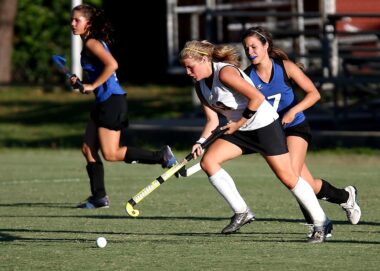
Circuit training is an effective method for field hockey players to enhance their overall fitness and performance. Incorporating a combination of strength, agility, and endurance exercises, it allows athletes to target multiple muscle groups in a short amount of time. For field hockey players, this training is particularly beneficial as it simulates the demands of the game. Players must be agile, strong, and possess endurance to excel. A circuit can be designed using minimal equipment, making it accessible for athletes at various fitness levels. Simple tools such as cones, resistance bands, and a stopwatch suffice for effective training. Incorporate exercises that mimic game situations, like shuttle runs and dribbling drills, to enhance specific skills. Moreover, this training method helps keep workouts engaging and challenging, ultimately contributing to improved performance on the field. Players can work in pairs or groups, adding a competitive element. Ensure that training sessions focus on skillful execution and progressive overload to foster continuous improvement. Establish a clear training goal for each session to maintain motivation and focus throughout the exercises.
To implement a successful field hockey circuit training program, it’s crucial to first assess each player’s fitness level. Evaluating their strengths and weaknesses allows for tailored workouts that address individual needs. A sample circuit could include various stations, each focusing on specific skills and fitness components. Players can rotate through these stations, spending a predetermined amount of time at each. Example exercises may include push-ups for upper body strength, squat jumps for explosive power, and ladder drills for foot speed. Players should maintain proper form throughout these exercises to reduce injury risk. Additionally, stretching should be incorporated before and after workouts, ensuring flexibility and recovery. A good circuit training session can last between 30 to 45 minutes, depending on the number of stations and rest intervals involved. Remember to include adequate rest periods for recovery and hydration. As players progress, increase the intensity of workouts by modifying exercises, reducing rest times, or adding additional sets. This progressive nature of circuit training keeps players engaged and challenges them to continually improve their fitness and skill levels on the field.
Essential Exercises for Field Hockey
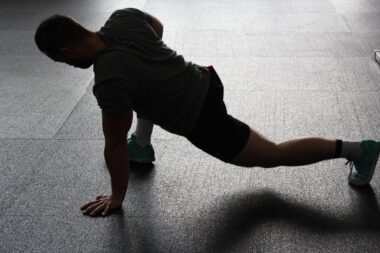
When designing a circuit training program for field hockey, it’s essential to include exercises that develop both strength and endurance. Start with foundational exercises such as lunges, which build leg strength and stability while also improving balance. Incorporate core exercises, like planks, to enhance overall body strength, crucial for maintaining proper posture during play. Agility training is vital; exercises such as cone sprints and lateral shuffles can improve speed and quick directional changes. These movements mimic in-game scenarios effectively. Plyometric exercises, such as box jumps, help develop explosive strength, vital for sprinting and tackling. Don’t neglect upper body workouts like bent-over rows or push-ups, as a strong upper body contributes to effective stick handling and tactical plays. Conditioning drills, such as running intervals or shuttle runs, increase aerobic capacity, crucial for sustaining energy during games. Implement these exercises into your circuit training routine for a holistic approach, ensuring all essential aspects of physical fitness are covered. Players should aim to balance their workouts, engaging both their upper and lower body for comprehensive conditioning.
Nutrition plays a crucial role alongside circuit training in maximizing performance for field hockey players. Proper nutrition provides the necessary fuel for training and recovery, directly impacting athletic performance. Players should focus on a balanced diet rich in carbohydrates, proteins, and healthy fats. Carbohydrates are vital for energy and should be a significant portion of an athlete’s diet, especially before training sessions. Include whole grains, fruits, and vegetables for optimal energy levels. Proteins are essential for muscle recovery and repair, helping athletes bounce back after intense training. Foods such as lean meats, legumes, and dairy can support these needs. Healthy fats, found in foods like avocados and nuts, also provide energy and aid in nutrient absorption. Staying hydrated during training is equally important; players should drink water regularly to prevent dehydration. Consider incorporating sports drinks during longer sessions to replenish electrolytes. Planning meals around training schedules can help sustain energy levels, ensuring players are at their peak performance during practices and games. Consult with a sports nutritionist for personalized guidance on meal planning to help optimize training outcomes.
Benefits of Training in Groups
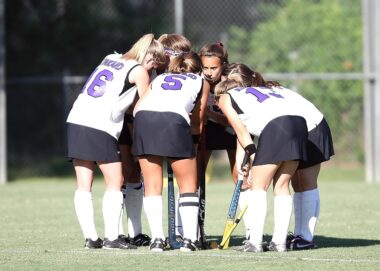
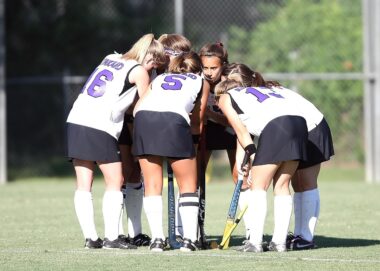
Training in groups can provide numerous benefits for field hockey players engaged in circuit training. Firstly, training with teammates fosters a sense of camaraderie and accountability that can enhance motivation levels. When players work out together, they encourage one another, leading to improved performances and determination. Group settings can also introduce healthy competition, pushing individuals to outdo each other in terms of speed, reps, and overall exertion. This competitive spirit can lead to greater intensity during workouts. Furthermore, training groups allow for the sharing of tips and techniques, enhancing the learning process for all involved. Players can help each other refine their skills and correct each other’s form, reducing the risk of injury while promoting a better understanding of exercises. Group training sessions can be particularly engaging, as they often include music or group games, making workouts feel less daunting. Establishing a fixed schedule for group training sessions can also enhance attendance and commitment. Overall, the support and energy generated in a group training environment result in more effective and enjoyable workouts for field hockey players.
Measuring progress during field hockey circuit training is essential to ensure athletes are achieving their fitness goals. Players should initially set clear, measurable goals, focusing on specific areas like endurance, strength, or agility improvement. Tracking progress can be accomplished using various methods, such as timing drills, counting repetitions, or assessing skill levels over time. Consider using fitness apps or journals to log workouts, which can provide valuable insights into improvement trends. This data can motivate players by illustrating their hard work and progress over weeks. Additionally, regularly reassessing fitness levels helps to identify areas needing more focus or adjustment in the training program. Incorporate feedback from teammates, coaches, or trainers to further enhance the effectiveness of the training sessions as they provide external perspectives on performance. Celebrate small achievements to foster motivation—recognizing improvements, big or small, helps boost performers’ confidence. Regularly challenging players with new exercises or increasing the intensity ensures continuous growth and adaptation. By maintaining an adaptive mindset around training, players can efficiently work towards long-lasting improvements in their performance on the field.
Final Considerations for Circuit Training
When implementing circuit training for field hockey players, it’s important to prioritize safety and recovery. Always begin each session with a proper warm-up to prepare muscles and joints for activity. Dynamic stretching or light aerobic activity can help reduce the risk of injury. After completing each circuit, it is crucial to allow sufficient recovery time. Incorporating cooldowns that include static stretching helps improve flexibility and reduce muscle soreness after workouts. Encourage players to listen to their bodies during sessions. If they experience fatigue or discomfort, it may be wise to adjust the intensity of their workouts. Balancing training loads while integrating recovery days is vital for maintaining overall health and avoiding burnout. Additionally, consider incorporating skill-specific drills within the circuit training to enhance actual gameplay techniques. This will help solidify the connection between fitness and sport-specific skills. Furthermore, encouraging players to reflect on their training sessions allows them to identify areas of success and improvement. This self-assessment can add a layer of personal responsibility to their training regimes, supporting ongoing dedication and progress in their field hockey pursuits.
In conclusion, circuit training is particularly effective for field hockey players, as it combines strength, endurance, and skill enhancement. By utilizing minimal equipment, athletes can engage in diverse workouts tailored to their needs, whether training individually or in groups. This flexibility makes it easier to maintain fitness routines, no matter the circumstances. The incorporation of various exercises ensures comprehensive training that mimics real game scenarios, effectively preparing players for competition. Players should remain consistent with their training while also reflecting on their progress. Collaborating with teammates can boost motivation levels while fostering healthy competition, resulting in greater encouragement and camaraderie. Nutrition and hydration play critical roles alongside circuit training, ensuring players fuel their bodies appropriately for optimal performance. Regularly scheduled assessments and feedback allow adjustments to be made for continuous improvement. Lastly, establishing recovery routines is essential for long-term health, enabling players to sustain progress and avoid injury. By adhering to these guidelines, athletes can develop effective circuit training programs that enhance their field hockey skills and boost overall athletic performance. Investing time and effort into a structured training regimen will payoff benefits on the field, enhancing players’ confidence and capabilities.