
Challenges in Collecting and Analyzing Wearable Data in Team Sports
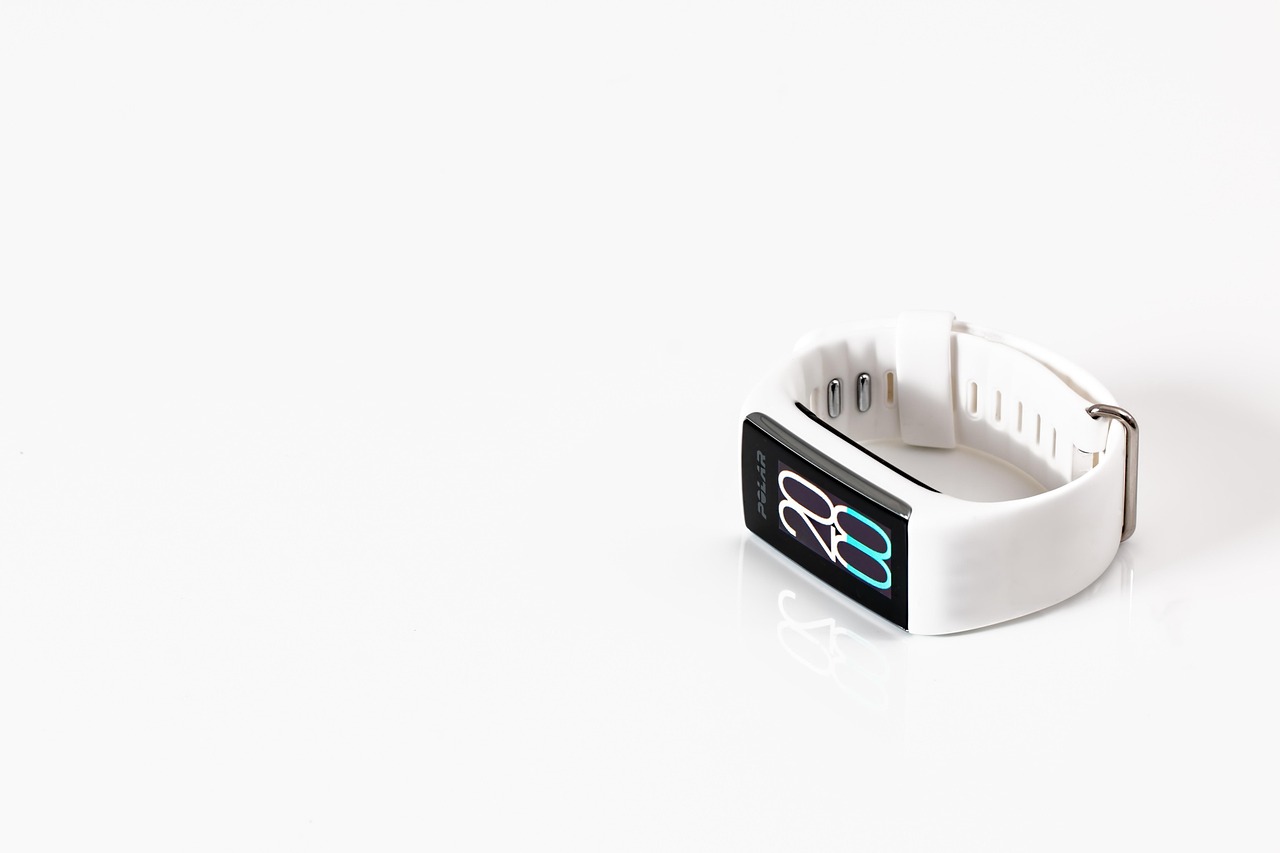
The integration of wearable technology into team sports has revolutionized how performance is tracked and analyzed. However, several challenges hinder the effective use of this data. One prominent issue is data interoperability; devices from various manufacturers often produce different data formats, complicating analysis. Moreover, ensuring data accuracy can be challenging, especially in dynamic sport environments where athletes continuously change their positions and exert varying levels of intensity. Additionally, the capabilities of wearables may vary significantly across teams and athletes, leading to unequal data quality. Another challenge lies in extracting meaningful insights from the extensive data collected. Coaches and analysts must navigate vast amounts of information to discern actionable trends, requiring advanced analytics tools and expertise. Furthermore, ensuring user compliance is critical, as athletes must consistently wear devices for data to be gathered, yet motivation can fluctuate. The investment costs for high-quality wearables can burden teams financially, deterring widespread adoption. Ultimately, while wearable technology has tremendous potential, overcoming these hurdles is essential for maximizing its impact and effectively enhancing team performance.
Another significant challenge in utilizing wearable data for team sports tracking is privacy and security concerns. As organizations increasingly gather sensitive biometric and performance data, the risk of unauthorized access or data breaches rises. Athletes may feel apprehensive about sharing detailed physical metrics, fearing potential misuse or exploitation by competitors or media. Moreover, data governance becomes crucial as teams need to comply with regulations surrounding data protection, such as the General Data Protection Regulation (GDPR). This legal landscape influences how data is collected, stored, and shared within teams. Additionally, the ethical considerations surrounding data ownership and consent must be addressed; athletes should have a clear understanding of how their data will be used. It is essential to implement robust cybersecurity measures to safeguard data against malicious attacks and ensure confidentiality. Teams can employ encryption and secure cloud solutions to better protect sensitive data. Further education on data rights and privacy protocols is critical for fostering trust between athletes and organizations. Ultimately, addressing these privacy concerns is fundamental for establishing transparent relationships and encouraging the adoption of wearable technology in team sports.
Data Overload and Interpretation
Another major obstacle in the effective use of wearable technologies in team sports arises from data overload and challenges in interpretation. Wearable devices collect an abundance of information, including heart rates, gait analysis, speed, and even game-related statistics. While having access to such rich datasets can enhance coaching decisions and training regimens, it can also lead to confusion and misinterpretation of its significance. Coaches and performance analysts must sift through this complex data, determining which metrics are truly indicative of improved performance. Furthermore, not all data collected are relevant across different sports or positions within a team, necessitating tailored approaches to data analysis. Effective data interpretation requires a combination of domain expertise, statistical knowledge, and familiarity with the specific metrics relevant to individual sports or roles within a team. Employing analytics tools can assist in managing complexity, yet the challenge remains to train personnel to leverage these tools effectively. As teams increasingly rely on data, the ability to accurately understand and act upon insights will play a crucial role in fostering athletic success.
Moreover, the integration of wearable technology in team sports often encounters obstacles regarding user acceptance and behavioral adaptation. For successful implementation, athletes and coaching staff must embrace the technology and incorporate it into their training routines. Initial resistance may stem from the perceived invasiveness of tracking their performance, a fear of being monitored excessively, or a lack of comprehension about the technology’s benefits. Athletes might be skeptical about how active data collection influences their training, leading to reluctance in wearing devices consistently. To improve acceptance, teams need to invest in educational initiatives that articulate the advantages of wearables in enhancing individual and team performance. Clear communication of how data will be utilized to support athlete development can motivate compliance and improve adherence. Additionally, fostering a collaborative environment where athletes feel empowered to provide feedback on the technology encourages a culture of openness. By cultivating trust and demonstrating tangible benefits, teams can promote positive attitudes toward wearable technology and maximize its effectiveness for performance tracking.
Cost Implications for Teams
The financial implications associated with implementing wearable technology in team sports represent another significant challenge. Quality wearables can be quite expensive, limiting access for less affluent teams or sports, particularly at the amateur level. The decision to invest in these technologies often requires careful consideration of the potential benefits versus the costs involved. Budgets may need to accommodate initial hardware purchases, subscription fees for analytical services, and ongoing maintenance or updates. Moreover, teams risk incurring further costs related to training staff and athletes in data usage and interpretation. Given the limitations of current financial resources, teams may need to prioritize where and how technology is employed. For example, opting for a limited implementation of wearables may help manage initial costs while still reaping some benefits. Creating partnerships with technology companies may provide cost-effective solutions, and potential sponsorships could alleviate financial burdens as well. Thus, proper budgeting and strategic planning are essential for ensuring the effective use of wearables in sports while maintaining fiscal responsibility.
Furthermore, another crucial challenge in collecting and analyzing wearable data in team sports is the need for consistent and reliable data collection protocols. Wearable devices must be utilized in controlled conditions to ensure the reliability and consistency of the data collected. Variations in device placement, athlete movements, and environmental conditions can lead to inconsistencies in results, making it difficult to draw precise conclusions. Establishing standardized operating procedures for utilizing wearable technology is vital for minimizing these discrepancies. Additionally, teams must ensure that athletes are physically equipped with their devices during practice sessions and games to guarantee comprehensive data capture. This procedural rigor can help improve the quality of collected data, making it more actionable. Moreover, engaging in collaborations with researchers can provide valuable insights into best practices, enhancing operational effectiveness. By implementing consistent data collection protocols, teams can effectively monitor performance over time, leading to better-informed decisions. Addressing these protocol challenges ensures that wearable technology becomes a reliable avenue for optimizing training and competition outcomes in team sports.
Future Directions and Innovations
Looking ahead, the evolution of wearable technology presents exciting prospects for enhancing data collection and analysis in team sports. Advancements in sensor technology and artificial intelligence can unlock new dimensions of data analytics. Innovative wearables equipped with machine learning algorithms could analyze performance in real-time, enabling coaches to adjust strategies on the fly. Such devices have the potential to provide more granular insights into game situations, empowering teams to boost their competitive edge. Collaborations between tech developers and sports organizations can further amplify innovation, leading to the creation of tailored solutions designed strictly for specific sport requirements. Additionally, merging wearable technology with virtual reality and augmented reality can foster enhanced training environments, allowing athletes to refine skills under simulated competitive conditions. These innovations will need to be carefully evaluated for their feasibility and effectiveness in real-world sporting contexts. By embracing these progressive technologies, teams can navigate challenges and unlock the full potential of wearables, creating more responsive and insight-driven training methodologies for athletic excellence.
In closing, the future of wearable technology in team sports relies heavily on overcoming the outlined challenges regarding data collection and analysis. By addressing issues such as interoperability, privacy, data overload, user acceptance, cost, consistency, and rigorous protocols, teams can harness the transformative power of wearables. Establishing strong collaborations, investing in education, and fostering stakeholder trust will be crucial in facilitating effective adoption. Therefore, it is imperative for organizations to remain proactive, adapting to technological advancements while continuously exploring new methodologies for effective data utilization. As the landscape of team sports continues evolving, wearables will likely play an increasingly pivotal role in shaping the way athletes train, compete, and assess performance. Fulfilling the potential of these devices entails not just technological investment, but also a cultural shift that embraces data-driven approaches for continuous improvement. As teams navigate the future of sports, leveraging insights gleaned from wearables promises a richer understanding of performance metrics that can ultimately lead to more successful athletic outcomes.