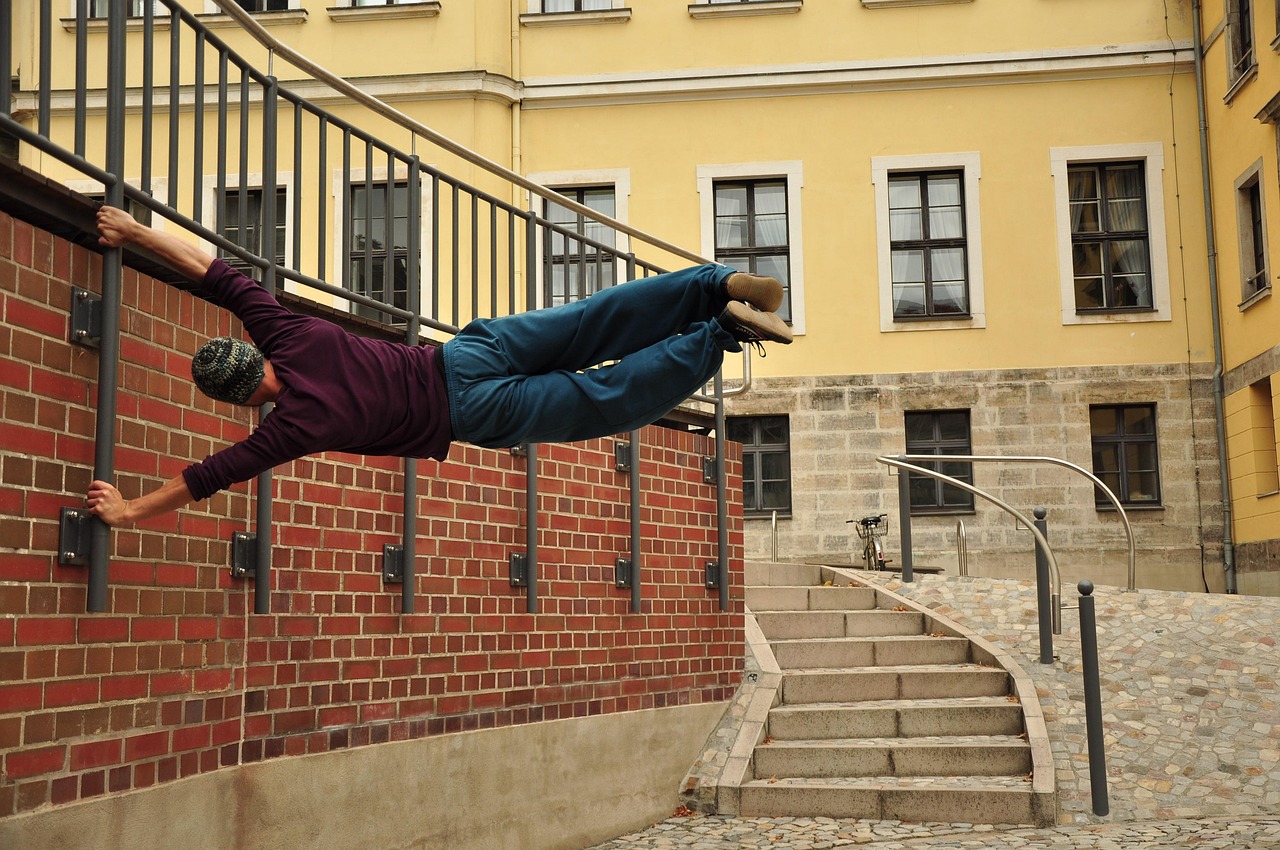

Mental Health Benefits of Outdoor Parkour Sessions
Participating in outdoor parkour sessions offers a remarkable variety of mental health benefits, serving as both a physical discipline and a transformative experience. Engaging with outdoor environments fuels creativity and innovation, encouraging practitioners to discover unique movement patterns. Parkour emphasizes the necessity to face challenges head-on, effectively building resilience. As parkour enthusiasts hone their skills, they develop a growth mindset, learning to embrace failure and adapt accordingly. This enhanced mental flexibility proves invaluable beyond the practice itself, enabling individuals to tackle life’s obstacles with newfound determination. Additionally, outdoor parkour fosters a sense of community among practitioners, creating social networks that offer support and encouragement. These connections help combat feelings of loneliness or isolation, promoting positive mental well-being. Engaging in outdoor exercises like parkour not only improves physical fitness but also stimulates endorphin production, resulting in enhanced mood. Ultimately, incorporating parkour into one’s lifestyle can lead to transformative mental health improvements, allowing individuals to grow both emotionally and psychologically.
Reduces Stress and Anxiety
One of the most profound mental health benefits of outdoor parkour sessions is the significant reduction of stress and anxiety. Movement in natural environments, especially through parkour, promotes mindfulness and can lead to a state of flow, where individuals become fully immersed in the activity. During these exhilarating sessions, the mind shifts its focus away from daily stressors and worries, creating space for relaxation and mental clarity. Physical activity releases endorphins and serotonin, natural mood lifters that help combat symptoms of anxiety and depression. As practitioners navigate through their environment and engage in creative movements, they often find themselves experiencing a sense of freedom. This escape from the pressures of daily life rejuvenates the mind, fostering overall mental health and stability. Moreover, the pursuit of mastering parkour techniques introduces a playful element into a person’s life, which can be refreshing and invigorating. Integrating this dynamic activity into a regular routine may enhance emotional resilience, enabling individuals to cope with life’s challenges more effectively while simultaneously enriching their mental well-being.
Outdoor parkour not only focuses on physical strength but also strengthens self-confidence. Overcoming challenges and mastering obstacles during sessions helps individuals become more comfortable in their bodies and abilities. This achievement leads to increased self-esteem as practitioners recognize their capacity to learn and grow. The process of setting and accomplishing personal goals, such as perfecting a specific movement or conquering a new environment can be incredibly rewarding. Furthermore, the social aspect of parkour cultivates camaraderie, as participants often motivate and share successes with each other. This supportive community reinforces feelings of worthiness, belonging, and acceptance. Peer encouragement helps individuals face their fears, pushing them to take risks they might normally avoid. Research indicates that higher self-esteem directly correlates with improved mental health and emotional well-being. Individuals with a strong sense of self-worth generally report lower levels of anxiety and depression. In this way, parkour serves as a powerful tool to elevate individual confidence and overall mental health, empowering participants to take on challenges inside and outside their parkour practice.
Parkour also serves as a method of emotional expression and exploration. As practitioners maneuver through urban spaces, they can channel their feelings into movements that represent their emotions. This form of physical self-expression can be particularly valuable for those who struggle to articulate their feelings verbally. Utilizing movement as an outlet fosters self-discovery, helping individuals gain a deeper understanding of their emotions and experiences. The creativity involved in designing personalized parkour routes enables participants to embrace their individuality while encouraging self-acceptance. Furthermore, outdoor parkour allows practitioners to connect with nature, providing an escape from the hustle and bustle of daily life. Nature has a calming effect, promoting relaxation and reducing feelings of tension. Engaging with the great outdoors can enhance physical and mental health, creating a positive feedback loop. Additionally, the dynamic nature of parkour encourages adaptability, helping individuals cultivate resilience in the face of changing circumstances. As practitioners interact with their environment, they develop essential skills to navigate challenges both on the ground and in their lives.
Enhances Focus and Concentration
Another notable advantage of participating in outdoor parkour sessions is the enhancement of focus and concentration. Parkour requires keen awareness of one’s surroundings, demanding full attention to ensure safety and successful execution of moves. Practitioners must constantly assess obstacles and evaluate how to approach them creatively. This heightened sense of awareness translates into daily life, improving an individual’s ability to concentrate on tasks and make informed decisions. The discipline practiced in parkour cultivates patience and mental stamina, as individuals learn to remain calm and composed amidst challenges. As concentration improves, so too does cognitive function, which positively impacts educational or professional pursuits. Furthermore, parkour encourages goal-setting, which is beneficial for mental health. Setting achievable objectives in training allows practitioners to track progress and maintain motivation. This combination of heightened focus and goal-orientation leads to a strong sense of accomplishment that bolsters mental resilience over time. Moreover, channeling energy into positive activities minimizes distractions and negative thoughts, promoting further mental clarity in various aspects of life.
Another key mental health benefit associated with outdoor parkour sessions is the improvement of body image and physical health. Many individuals who practice parkour experience feelings of empowerment as they learn to navigate their environment. Mastering difficult movements fosters a sense of competence and appreciation for one’s body, which can significantly enhance self-perception. As participants become stronger and more agile, they often notice improvements in their physical appearance, which can boost overall self-confidence and mental health. The focus on functional fitness through parkour encourages versatility in movement, promoting an active lifestyle beyond mere aesthetics. Practitioners develop a greater connection with their bodies as they push physical limits, transforming negative self-image into positive perceptions. This newfound respect for one’s body can lead to healthier lifestyle choices, such as improved diet, hydration, and sleep habits, further enhancing mental well-being. Additionally, engaging in physical activity releases hormones that combat stress, anxiety, and depression. Consequently, participants reap the benefits of refreshing outdoor parkour sessions not only for their bodies but also for their minds.
Increases Mindfulness and Presence
Outdoor parkour acts as a gateway to increased mindfulness and presence in daily life. Participants must remain aware of their surroundings, balancing mental focus on both movement and environment. This practice of mindfulness can foster an improved ability to remain present rather than dwelling on past experiences or future worries. Being fully engaged in the moment allows practitioners to explore creativity and spontaneity, leading to a more enriched experience. This heightened state of awareness extends beyond parkour practice; individuals often find themselves more adept at handling stress and conflict outside of their sessions. The ability to remain present is linked to various mental health benefits, including reduced anxiety and depression. Regular practice encourages a healthy relationship with oneself and promotes self-acceptance, alleviating feelings of inadequacy or self-doubt. Moreover, participants may notice stronger connections with friends and community through shared parkour experiences. These interactions cultivate emotional support, empathy, and understanding, further enhancing overall mental wellness with the practice of outdoor parkour sessions as a holistic approach to improving mental health.
In conclusion, engaging in outdoor parkour sessions carries numerous mental health benefits, ranging from improved self-esteem and increased mindfulness to enhanced focus. The transformative nature of parkour allows individuals to embrace their creativity and build resilience against life’s challenges. Overcoming obstacles in parkour translates into strengthened emotional well-being, enabling practitioners to face daily adversities with newfound determination. Additionally, the community support fosters social connections that combat isolation and loneliness. The physical engagement and movement through natural environments stimulate positive emotions while promoting personal growth, making outdoor parkour a valuable tool for mental health improvement. As more individuals recognize these benefits, parkour sessions can contribute to healthier lifestyles and increased emotional well-being. Incorporating parkour into one’s routine not only boosts physical fitness but also significantly impacts mental health positively. Thus, exploring the mental health benefits associated with outdoor parkour can lead to inspiring change and personal transformation, ultimately creating a happier, healthier society.