
How to Gradually Return to Training After a Competition
After participating in a fitness competition, it’s essential to focus on recovery properly. Your body has undergone significant stress, and implementing a thoughtful approach to returning to training can help prevent injuries and facilitate resuming normal performance levels. Initially, take at least a few days off, allowing your muscles to recuperate. During this time, consider gentle activities like walking or yoga to promote blood circulation. Proper nutrition is also vital during recovery, emphasizing the intake of protein to aid muscle repair. Incorporate whole foods such as lean meats, legumes, fruits, and vegetables while ensuring adequate hydration. Gradually reintroduce resistance training, focusing on lighter weights and perfecting techniques to avoid added strain on your joints and muscles. Track your body’s responses throughout this period; if you experience discomfort or signs of fatigue, adjust your training intensity accordingly. Always listen to your body, and don’t rush the process. Establishing a well-structured recovery plan is just as crucial as the training leading up to competition day.
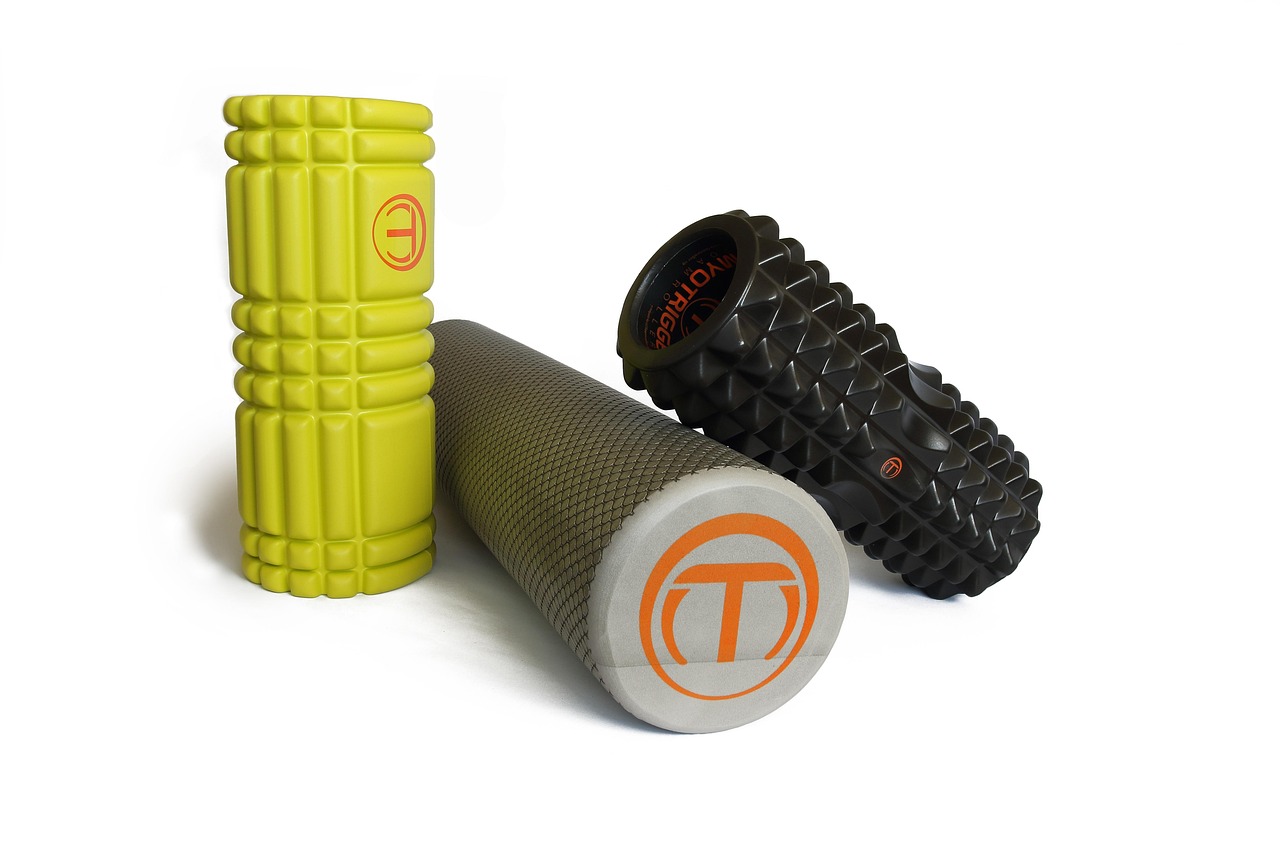
After the initial rest period, gradually re-engaging in high-intensity workouts becomes crucial. Begin with manageable workouts, aiming to bolster endurance while avoiding undue stress. Incorporate various low-impact exercises into your regime to keep activities engaging while minimizing risks. For example, consider swimming, cycling, or elliptical workouts to build cardiovascular fitness without excessive joint strain. Additionally, integrate flexibility training, as this enhances recovery and overall performance. Stretching can include foam rolling and dedicated mobility exercises tailored to areas that experienced intensive exertion during your competition. If you can, schedule active recovery days where you maintain low-intensity exercise focused on overall movement rather than pushing your limits. Monitoring your heart rate during workouts can also provide insights into your exertion levels, ensuring you’re not overdoing it. Collaborating with a coach or personal trainer may help you set realistic goals, providing accountability. Setting a feasible timeline for returning to peak form helps manage expectations throughout recovery. The objective is steady, sustainable progress rather than quick fixes, emphasizing health and longevity in your fitness journey.
Importance of Nutrition in Recovery
Nourishing your body effectively post-competition is paramount for optimal recovery. A notable shift in dietary needs occurs following intense physical exertion, as your muscles require specific nutrients to heal and rebuild. Prioritize the intake of quality proteins, as they form the building blocks for muscle repair. Foods rich in omega-3 fatty acids like salmon or walnuts can aid in reducing inflammation, which is often aggravated during competitions. Carbohydrates also play a critical role by replenishing glycogen stores depleted during intense workouts. Foods like sweet potatoes, whole grains, and fruits can offer excellent sources of these necessary carbs. Don’t neglect hydration – ensuring optimal fluid levels aids in recovery and prevents fatigue. Drinking water alongside electrolyte-rich beverages can enhance hydration levels and promote efficient muscle function. Supplements, such as BCAAs (branched-chain amino acids), might also contribute positively to recovery if dietary intake is insufficient. Be cautious and consult a nutritionist when considering supplements to ensure they align with your personalized nutrition plan, as individual needs may vary based on goals and overall health.
Resting adequately is equally essential in this recovery phase. Quality sleep directly impacts your body’s ability to heal and rejuvenate. Aim for at least seven to nine hours of sleep per night, as this promotes hormone release crucial for muscle recovery and growth. Creating a relaxing bedtime routine can improve sleep quality, enhancing your body’s recovery processes. Techniques such as meditation, deep-breathing exercises, or even light reading can contribute positively to achieving optimal relaxation. Incorporate regular breaks into your daily schedules to minimize stress and fatigue throughout the day, allowing your body to recuperate during awake hours. If necessary, consider professional massage therapy sessions or methods such as acupuncture to alleviate soreness. These treatments can help diminish muscle tension, enhance circulation, and promote faster recovery times, making your return to training smooth. Additionally, setting transitions between recovery and high-intensity training may stabilize progress while allowing for a gradual progression into more challenging workouts without overwhelming your body. This careful approach will ultimately support your fitness journey long-term.
Maintain Mental Well-Being
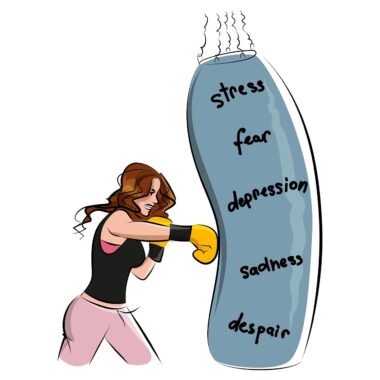
Alongside physical recovery, prioritizing mental well-being is crucial and often overlooked after competition. Engaging in mental recovery practices can help ease anxiety related to performance pressures. Gradually evolve your mindset towards upcoming training, viewing it as an exciting opportunity to grow rather than an obligation. Consider journaling your thoughts and feelings concerning your training experiences, reflections on the competition, and expectations moving forward. This practice enables you to gain clarity and adjust your goals realistically. Staying connected within your fitness community can also foster motivation and support, as shared experiences can lead to stronger bonds. Engaging in recreational fitness or fun classes can soften the shift back to structured training while keeping relationships intact. Remember to celebrate all achievements, big and small; acknowledging progress reinforces a positive mindset. Explore meditation or visualization techniques as well, as they can enhance mental focus and boost your resilience. These practices better prepare you for the challenges ahead while helping maintain your passion for training. Always remember that nurturing a healthy mindset is equally paramount to your recovery journey.
As you advance through recovery, tracking your progress becomes vital in understanding how your body reacts to the reinstated training. Consider using a training log or app to monitor workouts, feelings, and any signs of fatigue or discomfort. By identifying patterns, you’ll be able to make informed adjustments on the fly, optimizing both performance and recovery. Adding mobility and stability exercises to your routine can enhance your foundation while helping reduce injury risks as you ramp up intensity levels. Engaging in balance-focused exercises can also bolster your overall stability and functional training. As you reintroduce heavier lifts, always prioritize maintaining sound form over lifting heavier weights; proper technique significantly contributes to reducing injury risk. Gradual progression is key, ensuring your sessions’ intensity increases at a sustainable pace. This structured approach allows your body adequate time to adapt to training demands, fostering a seamless transition. Stay committed to your holistic recovery strategy, where attention to physical, nutritional, and mental well-being collectively contributes to a successful and sustainable return to training after a competition.
Conclusion: Listen to Your Body
Ultimately, the most critical aspect of returning to training lies in listening to your body. Recognizing when it’s time to push forward and when to pull back is essential for achieving long-term fitness goals. Factors such as fatigue, soreness, or lack of motivation should cue you to assess your recovery needs consistently. Reassess goals regularly, allowing adjustments in response to your body’s feedback. Patience is a necessary virtue during this phase; rushing the process not only increases injury risk but may also hinder your overall progress and performance levels. Make effective use of goal-setting, reinforcing your focus on gradual improvements. Celebrate victories throughout your recovery journey; acknowledging your milestones can cultivate motivation and enthusiasm for training. It’s easy to forget the importance of patience while striving toward our fitness ambitions, especially after an adrenaline-fueled competitive experience. Through consistent reflection, mindful training multiple considerations surrounding nutrition, rest, and mental health will intertwine harmoniously, forming a comprehensive recovery strategy. In this approach lies the pathway to continuous improvement, resilience, and love for fitness that transcends competitive pressures.
In summary, prioritizing recovery after competition is not merely about resting; it involves multi-faceted strategies to transition back into training sustainably. By integrating physical, nutritional, and mental aspects of your well-being, you foster an environment conducive to healing. Balancing progressive workouts with essential recovery practices, such as proper nutrition and adequate rest, lays the groundwork for returning to your peak performance. Remember to listen to your body, tracking both physical responses and emotional well-being. Establishing a consistent routine that nurtures all facets surrounding your athletic journey guarantees a smooth transition into regular training. Remember to celebrate each milestone along this gradual road back to fitness. Engage in open communication with peers, trainers, or fitness professionals to share experiences and receive valuable insights. The collective nature of fitness nurtures both progress and community, amplifying the joy of practice. As you journey together with like-minded individuals, the shared triumphs and challenges will enrich your experience. Ultimately, a holistic recovery process will significantly uplift your training journey, ensuring you return to form stronger than before. Embrace each step as you navigate through recovery and reinvigorate your passion for fitness.