
The Rise of Snowshoeing as a Recreational Activity
Snowshoeing has evolved considerably throughout its lengthy history, becoming an increasingly popular recreational activity. Originating from ancient methods of travel across snowy landscapes, early snowshoes were crude but effective in allowing human mobility over deep snow. Many indigenous peoples developed their versions, utilizing materials native to their regions. These traditional designs inform modern snowshoes, which provide benefits like enhanced flotation and maneuverability. With time, the art of snowshoeing transitioned from a survival technique to a desired pastime enjoyed by many. The accessibility of snowshoeing, needing little equipment and permitting diverse terrains, allows enthusiasts to experience nature’s beauty while exercising. Moreover, snowshoeing encourages social interactions, as many organizations and communities offer guided hikes and events. Schools, local groups, and outdoor retailers are increasingly introducing programs to families and individuals. This facilitates deeper connections between participants while promoting physical fitness and mental wellness. Through these initiatives, snowshoeing has cultivated a community atmosphere among diverse participants. Consequently, snowshoeing has secured its place in winter sports, continuing to attract newcomers every season. As interest grows, the future looks bright for this engaging and low-cost winter activity.
The Evolution of Snowshoe Designs
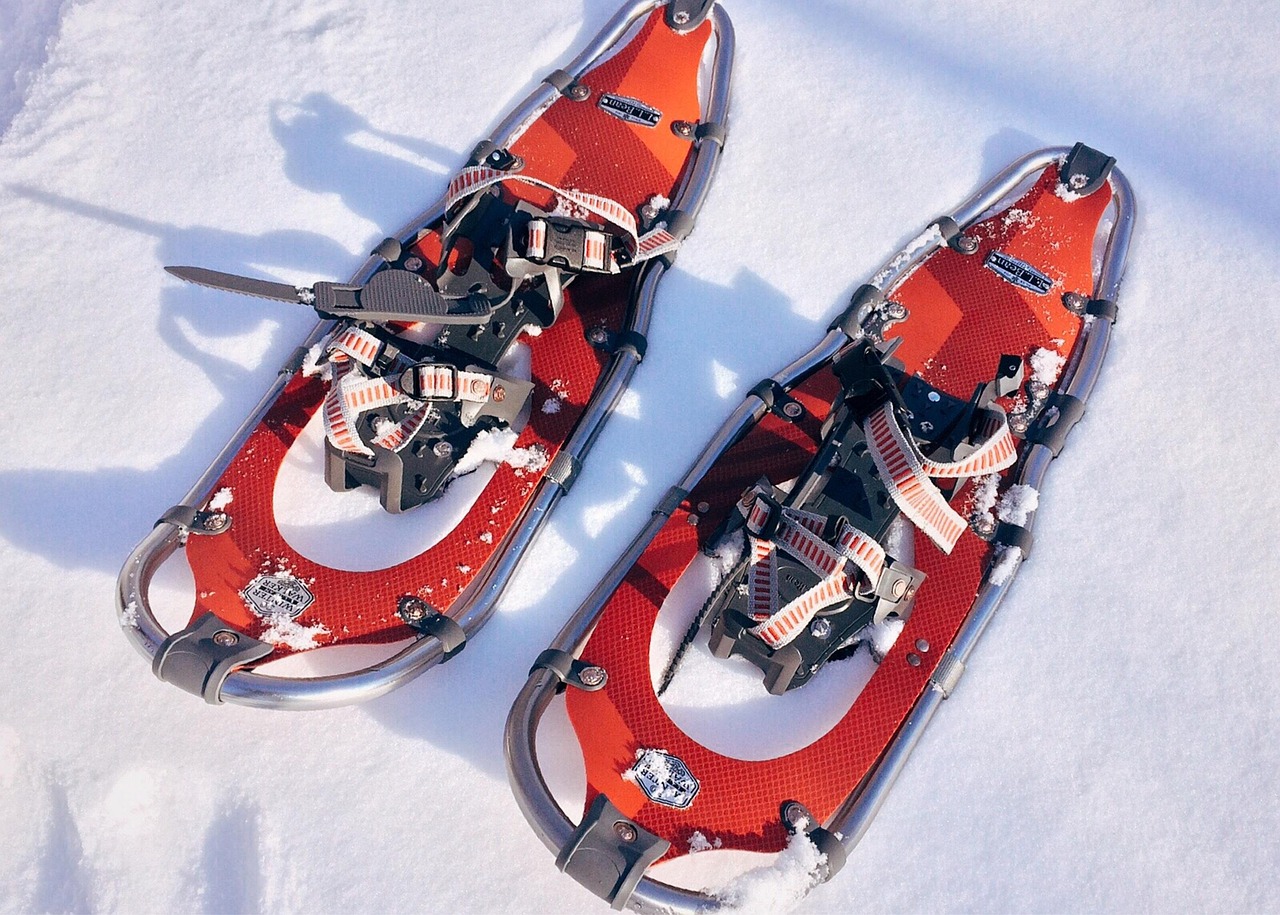
Modern snowshoe designs have progressed significantly from their earliest forms, enhancing performance and user experience. Initially crafted from wood and rawhide, contemporary models utilize lightweight materials like aluminum and synthetic fabrics to improve durability and ease of use. The evolution of snowshoe bindings has also contributed to comfort and convenience. Therefore, users can adjust the straps and fit according to their preferences. Snowshoes now come in various shapes, including the traditional oval and new shapes suited for different terrains and purposes. Wide models offer better flotation in powdery snow, while narrower types excel on hard trails. Additionally, advances in traction technology have emerged, ensuring safer movement on icy or steep slopes. Many snowshoes now feature built-in crampons that provide grip, making uphill climbs easier. Such innovations appeal to a broader audience, including seasoned athletes and recreational adventurers. As snowshoeing becomes more popular, brands continue to design models catering to challenges faced by diverse users. By meeting performance requirements and ensuring comfort, manufacturers contribute immensely to the sport’s growth. This ongoing development illustrates snowshoeing’s adaptability and enduring appeal as a winter activity enjoyed by many.
Snowshoeing has cultivated a broad demographic, offering an inclusive winter sports experience, appealing to various ages. Families particularly gravitate towards snowshoeing for safe outdoor activities, fostering bonding experiences. Children can discover and enjoy winter’s beauty while engaging in physical activity. Participating in snowshoeing allows families to explore local parks, forests, and trails, promoting outdoor exploration. Many parks and recreation departments organize family-friendly snowshoe events to enhance community engagement. This creates an atmosphere of camaraderie and encourages parents to introduce their children to outdoor sports. Furthermore, snowshoeing clubs targeting families provide guided excursions, making navigation easier for beginners. Enthusiasts can also benefit from social media and online platforms, sharing tips, routes, and personal experiences, further promoting collective engagement. As snowshoeing grows in popularity, more educational resources dedicated to young people emerge, ensuring future generations appreciate winter sports. Adopting snowshoeing as a family-friendly activity encourages lifelong healthy habits while fostering a love for nature that extends beyond the winter months. Thus, a sense of community continues to flourish through snowshoeing, as shared experiences contribute to the development of lasting memories.
Environmental Impact of Snowshoeing
Snowshoeing plays an intriguing role in environmental awareness, promoting responsible interaction with natural landscapes. As an eco-friendly winter activity, snowshoeing generally leaves minimal impact compared to motorized winter sports. Enthusiasts often prioritize preserving ecosystems and practicing ethical recreation. In keeping with sustainable practices, many snowshoers avoid creating new trails, instead using existing routes to minimize disturbances. Educating participants about local wildlife and habitats is essential, fostering respect for their surroundings. Various organizations engage in educational campaigns, highlighting the importance of acting with awareness when exploring nature. Additionally, snowshoeing encourages people to connect with outdoor spaces, fostering appreciation for conservation efforts. Many enthusiasts participate in trail clean-up events and environmental initiatives that preserve local ecosystems and wildlife habitats. By promoting community engagement, snowshoeing significantly contributes to broader environmental stewardship efforts while enhancing participants’ awareness. As more snowshoers advocate for responsible recreation, the movement toward sustainable outdoor activities continues to gain momentum. This, in turn, influences future generations to appreciate and protect natural spaces, resulting in healthier ecosystems. Therefore, snowshoeing exemplifies how recreational activities can align with environmental values, ensuring ecosystems remain intact for years ahead.
Snowshoeing provides a range of health benefits, making it an excellent winter exercise choice for various individuals. This activity facilitates cardiovascular fitness, engaging both upper and lower body muscles effectively. The snowshoeing motion requires balance and coordination, promoting overall physical function. Furthermore, snowshoeing can be adapted to users’ fitness levels, accommodating beginners to seasoned enthusiasts. Engaging in winter sports like snowshoeing also contributes positively to mental well-being. As participants immerse themselves in nature, they experience reduced stress and increased happiness. The tranquility of snowy landscapes encourages mindfulness, helping many escape daily pressures. Studies show that outdoor activities, particularly in natural settings, boost mood and alleviate anxiety. Additionally, snowshoeing.com emphasizes its advantages of calorie burning, making this energy-efficient sport an ideal option for those who value fitness. Depending on conditions and intensity, participants may burn significantly more calories than other winter activities, helping to achieve weight management and fitness goals. This combination of physical and mental health benefits positions snowshoeing as a compelling choice during winter months. As winter enthusiasts embrace the sport, they reap the rewards of both physical and psychological wellness, resulting in long-term lifestyle enhancements.
Popular Snowshoeing Destinations
Numerous destinations worldwide draw snowshoers eager to enjoy picturesque winter landscapes. National parks often feature well-maintained trails specifically designed for snowshoeing enthusiasts. Places like Yellowstone National Park offer diverse terrains and stunning vistas, making it an excellent snowshoeing location. In addition to established trails, nearby lodge options provide comfortable accommodations for visitors. Similarly, Banff National Park attracts enthusiasts drawn to the majestic Canadian Rockies. The area’s breathtaking scenery and accessibility entice all skill levels of adventurers seeking fresh air. Europe also boasts stunning snowshoeing trails, with regions like the Swiss Alps providing both beautiful scenery and exhilarating experiences. Various resorts cater to snowshoers, offering guided tours and equipment rentals, allowing newcomers to start the activity easily. Moreover, localized winter sports associations provide valuable resources, including curated trail maps and recommendations, enhancing the overall experience for visitors. Undoubtedly, the increasing popularity of snowshoeing ensures that more businesses cater to this enthusiastic community. Adventure tour companies even specialize in creating custom packages for groups seeking thrilling excursions. Exploring these stunning destinations fosters appreciation for natural beauty, encouraging adventures that excite outdoor lovers everywhere.
Community efforts have significantly supported the growth and promotion of snowshoeing as an accessible winter activity. Numerous organizations work tirelessly to provide equipment rentals, training courses, and community events that enhance the snowshoeing experience. These grassroots initiatives empower individuals and families to venture outdoors without access to specialized gear. As more community centers incorporate snowshoeing into their programming, participants discover local trails and natural areas. Additionally, partnerships with local businesses ensure that participants receive discounts on rentals and guided tours. Educational programs for schools highlight the importance of outdoor recreation while fostering an appreciation for winter sports. Local festivals centered around snowshoeing further stimulate interest, providing opportunities for all ages to engage and learn about this fantastic outdoor activity. These events often include demonstrations, family-friendly races, and fun challenges, creating an electric atmosphere that encourages social interaction and participation. In the long term, such community initiatives will benefit not only local economies but also the health of residents. A sense of collective belonging emerges, as snowshoers connect with each other and their environment, leading to stronger relationships and lasting appreciation for winter activities.