
Structured Ergometer Training Plans for Rowers
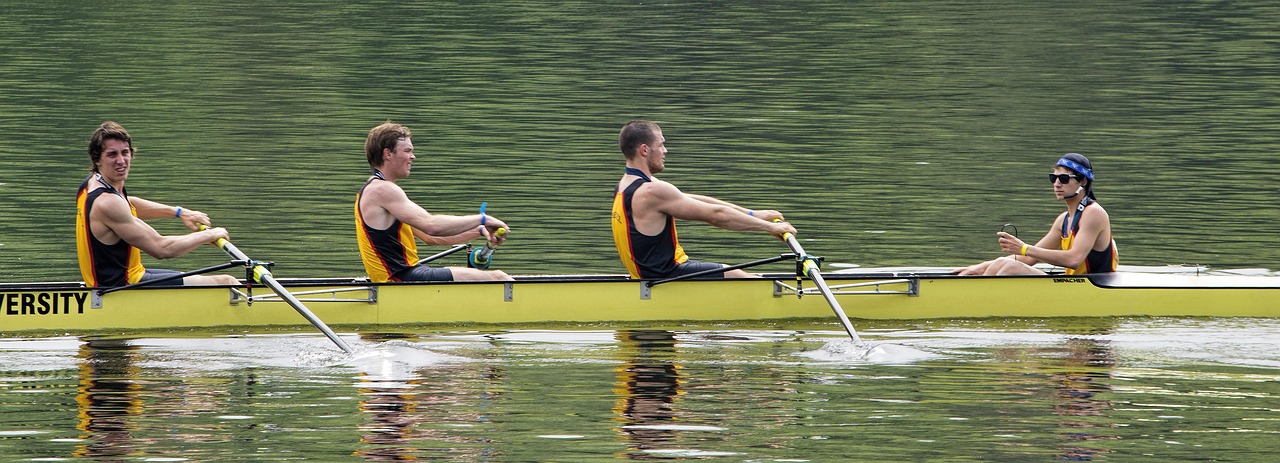
Rowing is a demanding sport that requires dedicated training, particularly when it comes to ergometer workouts. A structured training plan is essential for maximizing performance on the water. To develop your strength and endurance, it’s crucial to create a comprehensive strategy that integrates various training elements. Begin by setting specific goals for each training session. These goals can include improving speed, increasing power, or enhancing stamina. Consistency in your training is equally important, so develop a weekly schedule that allows for both intensive and recovery workouts. Regularly assess your progress and adjust your goals as needed. Always track your metrics, such as split times and stroke rate, to identify areas for improvement. Another important aspect is incorporating interval training into your regimen; this method boosts overall fitness levels. Include various intensities, durations, and rest periods to maintain engagement. Additionally, don’t forget the importance of proper nutrition and hydration for optimal performance during workouts. Engaging with a coach or fellow rowers can also provide valuable feedback and inspiration. Overall, a structured approach to ergometer training will yield significant benefits over time.
The role of technique in ergometer training cannot be overlooked. Good rowing technique ensures proper muscle engagement and minimizes the risk of injury. As you work through your training plan, constantly strive to perfect your form. Focus on maintaining a straight back, engaging your core, and ensuring smooth strokes. Taking video recordings of your sessions can help identify areas that may need refining. Moreover, consider using an ergometer with on-screen feedback that displays your stroke rate and power output in real time. This feature helps you understand your mechanics better while rowing. Another practical tip involves varying your workouts to prevent mental fatigue. Mixing up workouts keeps things engaging and allows for different muscle groups to be targeted. For instance, combine steady-state efforts with higher intensity intervals. Remember to incorporate strength training into your routine; exercises such as squats, deadlifts, and core workouts contribute to overall strength. Rest days are crucial to allow for muscle recovery, so don’t skip them! Prioritize sleep and engage in recovery methods like stretching or foam rolling. This comprehensive approach ensures you’re prepared for both ergometer and water sessions.
Understanding Heart Rate Training
Using heart rate as a training tool can enhance your ergometer sessions significantly. Each training phase can be optimized by training at specific heart rate zones. Start by determining your maximum heart rate using formulas or specific fitness tests. Once you have this figure, you can identify your workout zones ranging from light recovery to high-intensity efforts. For many rowers, training in the aerobic zone allows for improved endurance and stamina. Incorporating sessions that reach the anaerobic threshold can elevate your performance by enhancing your ability to process lactate. Use a heart rate monitor during your workouts to keep track of your exertion levels, making adjustments as necessary. If you notice your heart rate exceeding the desired range, consider slowing down the pace or incorporating shorter rest intervals. Conversely, if you aren’t reaching your target zone, you may need to intensify your efforts. Establishing a routine that includes a variety of heart rate zones allows for balanced training and adaptation over time. Always remember to cool down after high-intensity intervals to prevent injury. Integrating heart rate training fosters better cardiovascular fitness and enhances on-water performance.
Another critical facet of ergometer training is the role of mental strength. Developing a resilient mindset is as vital as physical training. Rowing requires focus and determination, particularly during grueling sessions. Incorporating visualization techniques in your routine can enhance mental resilience. Visualize yourself achieving your goals, whether it’s during a race or a challenging training session. Moreover, consider practicing mindfulness and breathing techniques, which can help manage the psychological aspects of training. Breaking down long workouts into smaller segments can also make them seem more manageable and less intimidating. Set mini-goals for each segment to maintain motivation throughout your session. Additionally, surrounding yourself with supportive peers can increase accountability and provide encouragement during tough moments. Share your experiences with fellow rowers and celebrate each milestone together. Recognizing your progress fosters a positive mindset and encourages continued effort. Another strategy involves listening to music or podcasts to keep your mind occupied during long ergometer sessions. Ultimately, mental strength complements physical training, leading to improvements in both ergometer performance and water translation. Elevating your mental game can transform the way you approach workouts, races, and overall growth.
Nutritional Considerations for Rowers
Nutrition plays a fundamental role in supporting ergometer training and enhancing performance. Establishing a balanced diet rich in carbohydrates, proteins, and healthy fats will provide the energy needed for intense training sessions. Prioritize complex carbohydrates such as whole grains, fruits, and vegetables, which serve as primary fuel sources. Proteins help in muscle repair and recovery, so include lean meats, dairy, or plant-based alternatives in your meals. Planning sport-specific meals is essential, focusing on what you consume pre, during, and post-workouts. For instance, consuming a carbohydrate-rich snack before long training sessions ensures you have sufficient energy levels. Also, practice hydration strategies; drinking water throughout the day is critical, as dehydration can lead to fatigue and reduced performance. Electrolyte-based drinks can be helpful, especially after prolonged exertion. Experiment with various recovery foods after workouts to minimize soreness and replenish nutrients quickly. Foods such as protein shakes, yogurt, or fruit smoothies can be effective choices. By fine-tuning your nutritional intake, rowers can maximize the benefits of their ergometer workouts, experience enhanced performance, and support overall health.
Incorporating technology into your ergometer training can improve your progress tracking significantly. Fitness apps and wearable devices can record various metrics such as distance, duration, and split times. Many ergometers offer connectivity with apps that track your performance over time. Analyzing this data allows for informed adjustments to your training plan. You may discover trends that indicate the need for more recovery, indicating inadequate rest days. Participating in online challenges or communities can provide motivation and create a sense of camaraderie among fellow rowers. Sharing your results and experiencing competition can push you to strive for better performance levels. Additionally, consider utilizing video conferencing tools for virtual training sessions with a coach, or creating a community workout group. This collaborative effort encourages accountability and engagement in your training. Furthermore, setting benchmarks based on collected data ensures systematic improvements. Engaging in regular testing, such as time trials, helps gauge your progress. By keeping an eye on your metrics and utilizing technology effectively, ergometer training becomes a structured yet adaptable process that fosters long-term growth and motivation.
Conclusion: Long-Term Growth in Rowing
In conclusion, effective ergometer training hinges on a blend of structured planning, sound nutritional practices, mental resilience, and technology utilization. Adopting a systematic approach ensures you remain focused on specific goals during sessions. Optimize your workouts by integrating heart rate training, which allows for improved endurance and gives tangible progression milestones. Don’t underestimate the importance of proper techniques, as they will enhance your efficiency and effectiveness during both ergometer work and water rowing. Keep refining your approach to nutrition, fueling both workouts and recovery while promoting overall health. Likewise, remember the psychological aspects of training, as nurturing a robust mindset pays off significantly in the long run. Engage with peers, coaches, and technology to foster an environment conducive to growth and success. Lastly, track your journey and celebrate your progress; every small improvement leads to long-term benefits. With commitment and a comprehensive understanding of ergometer training strategies, you’ll develop into a more adept rower, poised for the challenges ahead, ready to excel on the water. This combination of strategies results in notable advancements, setting the stage for competitive performance.