
Mobility Challenges that Affect Posture and How to Overcome Them
Good posture is crucial for overall health and wellness. During various activities, we tend to develop habitual movement patterns that can compromise our posture. The mobility challenges arise specifically when areas of our body are tight or lack flexibility, leading to compensatory movements. For example, restricted hip flexibility may cause tightened lower back muscles, contributing to an overarching slouch. By understanding and addressing these challenges, we can enhance our mobility and thus improve our posture. Awareness of poor postural habits is the first step toward implementing effective solutions. Regular assessments can ensure that you understand where your restrictions lie. Recognizing which areas necessitate attention is essential. With a commitment to various mobility techniques, it is possible to counteract postural struggles. Think about incorporating stretching, foam rolling, and yoga into your routine to increase flexibility. Furthermore, training your muscles to adapt is crucial, so make mobility exercises a priority. In doing so, not only will you notice improvements in your posture but also reap the benefits of better alignment and reduced discomfort.
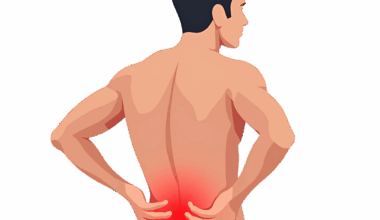
One significant mobility challenge affecting posture is excessively tight hip flexors. These muscles connect the pelvis to the spine and can limit both hip extension and knee flexion. When hip flexors are tight, they pull the pelvis forward, causing an exaggerated spinal curve. This results in lower back strain and discomfort. To address this problem, integrate targeted stretching and strengthening exercises into your routine. Simple stretches like the kneeling hip flexor stretch can provide immediate relief. Additionally, focusing on strengthening opposing muscle groups, such as the glutes and hamstrings, can help create balance in the hip area. Consistently engaging in these exercises can prevent any overactive muscle from wreaking havoc on your alignment. It is equally essential to incorporate mobility workouts that enhance the flexibility of the hip region. Dynamic movements, such as leg swings and hip circles, warm up the muscles, improve range of motion, and prepare your body for more extensive drills. Thus, maintaining hip flexibility is critical to achieving better overall posture while reducing the risk of injury and tension throughout your body.
Strengthening Core for Better Postural Support
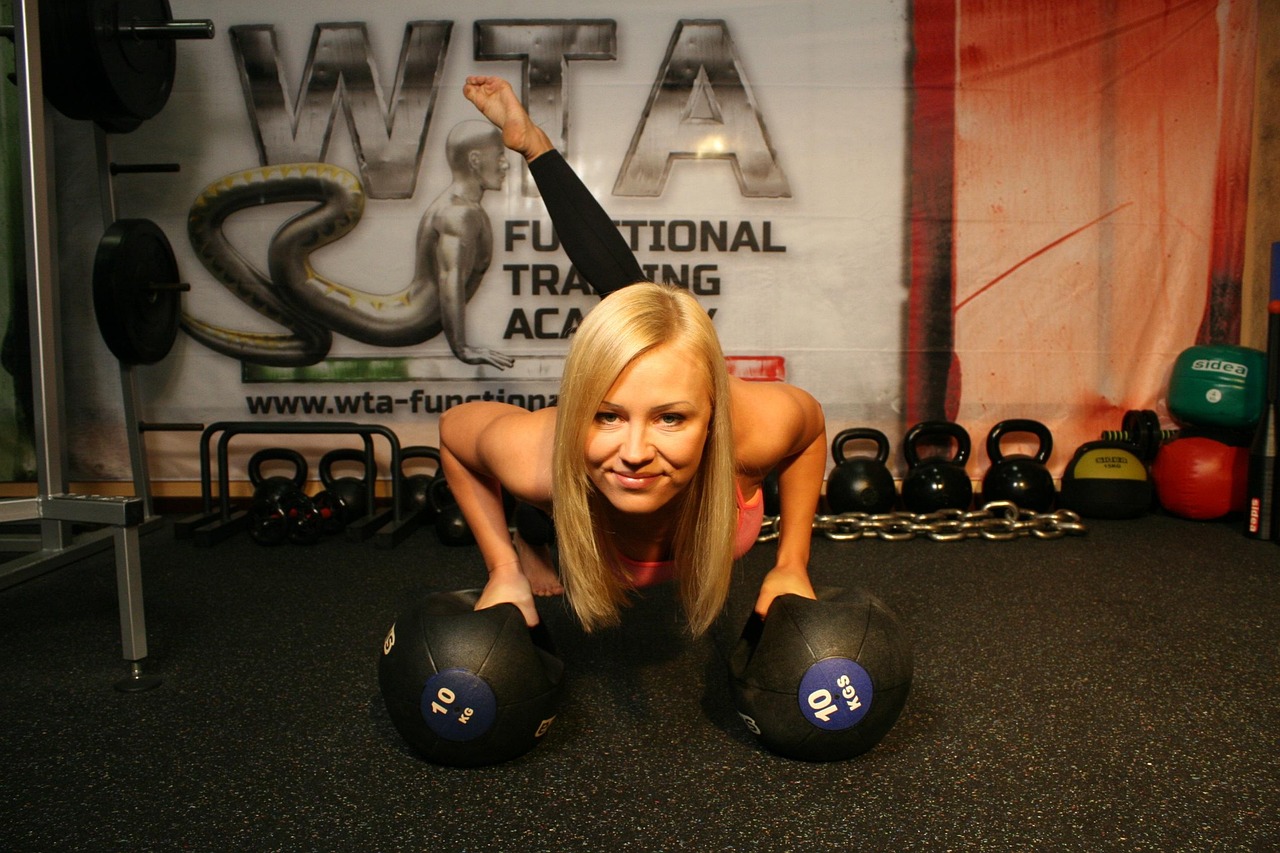
The core plays an incredibly significant role in maintaining proper posture. A strong, stable core aids the body in managing its alignment, especially during daily movements. Compromised core strength often appears as slumped shoulders and an inappropriately positioned pelvis. To improve core strength, focus on exercises that engage the deep stabilizing muscles, such as the transverse abdominis. Options like planks, bird dogs, and dead bugs can strengthen these muscles effectively. Furthermore, integrating mobility movements that involve rotational patterns is beneficial. This approach helps in adding movement variability and overall dynamic stability. Additionally, consider incorporating stability training through the use of exercise balls or balance boards. These exercises challenge your balance, enhancing overall strength in the core area. Consistently working on these elements culminates in a well-rounded program that not only addresses core stability but also promotes improved posture. The more stable your core is, the better equipped your body will be to maintain its alignment throughout various activities. Focus on nurturing this strength to enhance your daily posture and prevent discomfort.
Another common mobility issue arises from tightness in the thoracic spine, which is essential for overall upper body mobility. When the thoracic region is stiff, it limits shoulder and arm movements, promoting poor posture characterized by rounded shoulders. This inefficiency leads to increased tension in the neck and shoulders. To counteract this problem, performing thoracic spine mobility exercises is crucial. Incorporate activities like thoracic rotations or foam rolling to coax movement back into the spine. Furthermore, enhancing your upper back flexibility can improve shoulder positioning, promoting a more upright posture. Another effective method is to practice dynamic stretches that encourage extension and rotation throughout the thoracic area. Chest openers, wall slides, and ladder stretches can further assist in increasing awareness of postural alignment. Creating space in the upper body gradually reduces muscular tension and maximizes mobility. Establish a routine that targets these areas regularly to enhance overall thoracic function. As you improve purposefully, you will likely experience substantial changes in your posture and an increase in your overall comfort and mobility during various daily tasks.
The Impact of Ankle Mobility on Posture
An often-overlooked area affecting posture is the ankles. Limited ankle mobility can lead to deviations in alignment throughout the kinetic chain, primarily affecting the knees, hips, and lower back. When ankles are stiff, the body compensates, leading to a collapse in the arch of the foot and a misalignment of the pelvis. Over time, this misalignment can foster poor posture, leading to a host of musculoskeletal problems. Therefore, addressing ankle mobility must be integrated into any comprehensive approach to posture improvement. To enhance ankle flexibility, try exercises such as calf stretches and ankle circles. These movements promote better range of motion and functionality within the joint. Adding dynamic movements can also be beneficial; for example, practice lunges that emphasize adequate ankle dorsiflexion. Additionally, working with a resistance band can help mobilize the ankle into various planes of motion effectively. Encouraging this enhanced mobility can translate into improved stability and strength during functional movements. With regular attention to your ankle health, you will experience significant improvements in postural alignment during daily activities and athletic endeavors.
Incorporating a mix of mobility and flexibility exercises can greatly enhance one’s posture. However, establishing a structured routine is essential to see genuine progress. One strategy is to dedicate time each day, even if it is only ten minutes, to mobility work focusing on specific areas. Start by pinpointing tight muscles through daily movement assessments to personalize your practice. Many find great success when allocating certain days to specific muscle groups, ensuring thorough attention to each area. For instance, dedicate one day to hip mobility and another to thoracic flexibility. Meanwhile, including both static and dynamic stretching techniques can maximize effectiveness. It is essential to stay consistent and patient; improvements take time to manifest fully. Consider using a mix of applications and YouTube channels that offer guided sessions to keep you accountable. Building a supportive community around your goals often enhances motivation and encourages consistent practice. Sharing your progress can increase engagement, making mobility work enjoyable. Ultimately, creating sustainable habits surrounding mobility work improves not just your posture but also your overall wellness.
Conclusion: Embracing Mobility for Optimal Posture
Ultimately, flexibility and mobility are the backbone of good posture. Addressing the underlying mobility challenges can alleviate tension and promote balance throughout the body. Consistent attention to specific areas, such as hip flexors, thoracic spine, and ankles, fosters greater alignment and comfort. By integrating strengthening exercises and daily mobility routines, you develop a proactive strategy for combating postural issues over time. Transformation may take time, but celebrating small wins can motivate you to maintain your practices. Each incremental improvement contributes to your overall posture, resulting in long-term benefits. Furthermore, listening to your body is essential; recognizing when you feel stiff or sore allows you to adapt your routine accordingly. Exploring various forms of movement also fuels excitement and continual progress. For example, alternating between yoga, Pilates, and more dynamic workouts keeps your practice fresh. Ultimately, a commitment to improving mobility not only impacts posture but enhances your quality of life significantly. Embrace your journey toward better posture through mobility work, as it contributes to a healthier, happier you.
This commitment ensures better alignment for various activities, whether sitting at a desk, exercising, or simply going about daily life.