
Exploring Eccentric Movements and Time Under Tension in Bodyweight Exercises
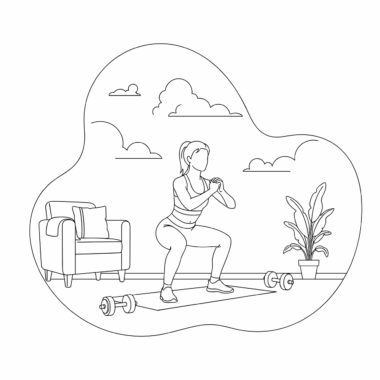
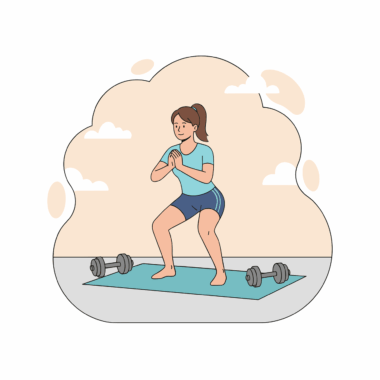
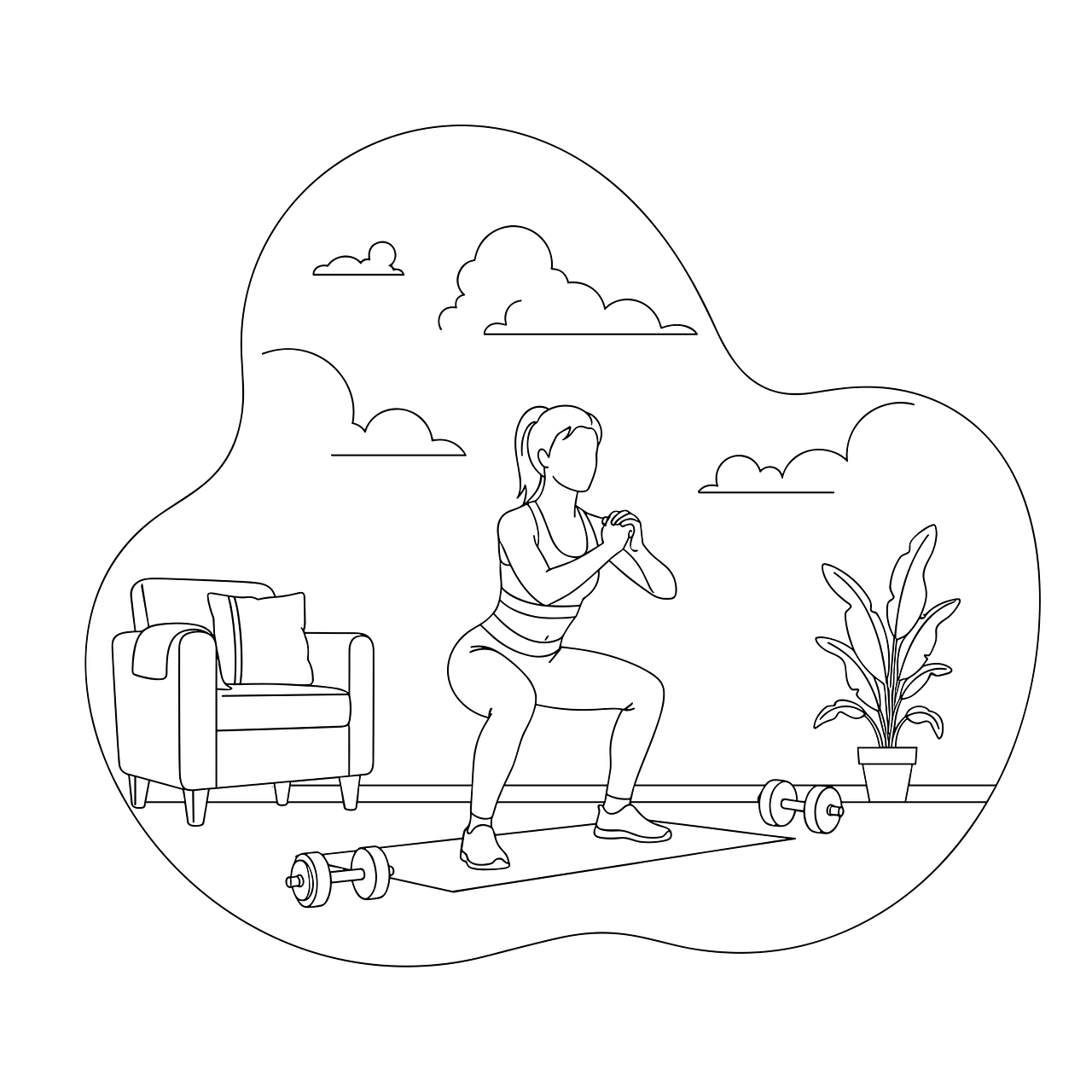
Bodyweight exercises have gained tremendous popularity for their efficiency and effectiveness, especially concerning strength training and rehabilitation. One of the most significant methodologies in this area is Time Under Tension (TUT), a principle that emphasizes the duration your muscles are under stress during an exercise. Eccentric movements, where the muscle elongates while under tension, play a crucial role in this method. Properly incorporating TUT into eccentric exercises can lead to improved muscle growth and strength gains. Additionally, eccentrics can help prevent injuries and enhance athletic performance. For instance, performing bodyweight squats or push-ups with a focus on slowing down the eccentric phase can maximize muscle engagement. Furthermore, TUT allows practitioners to develop better control over their movements, which translates into improved functional strength. Focusing on time under tension while executing bodyweight exercises enables a deeper connection between the mind and body. In this article, we will explore various eccentric movements that benefit from TUT and how to effectively integrate these strategies into your workout routine.
The Importance of Eccentric Movements
Eccentric movements are vital in bodyweight training as they enhance muscle development through tension. When muscles stretch during the loading phase of an exercise, microscopic tears occur, which then heal and grow stronger. This process ultimately leads to muscle hypertrophy, enhanced strength, and better athletic performance. Notably, incorporating eccentric variations, such as slow squats or controlled burpees, aids in mastering body control and stability. It further allows for maximal engagement of muscle fibers, improving endurance and strength. Eccentric strength is essential for all athletes, regardless of their sport, as it contributes to injury prevention and overall performance. This method also helps improve flexibility, keeps joints healthy, and prepares the body for explosive movements while preventing strain. In practical terms, for an effective training session, practitioners should aim for a higher TUT during the eccentric phase of their exercises. Whether you are performing push-ups, pull-ups, or squats, slow down the eccentric portion ensures that your muscles work harder for a longer time, promoting growth and adaptability.
In addition to strength gains, time under tension can greatly improve muscle endurance. Exercises that embrace TUT also focus on the slow lowering phase, promoting greater control over the body and better movement quality. Whether you are a beginner or an advanced athlete, you can manipulate your workout by adjusting the tempo of your reps, emphasizing the eccentric phases. For instance, adding a five-second descent in your push-ups provides your muscles with sustained tension, leading to increased endurance. By continually challenging your muscles in this way, you encourage adaptations that lead to better performance in dynamic scenarios. Additionally, as your body learns to withstand longer periods of tension, you can reduce the risk of injury. By strengthening the musculature, tendons, and ligaments involved, you build a solid foundation that supports overall functionality. Activities in daily life as simple as climbing stairs or lifting groceries can be significantly improved. The application of TUT in eccentric training thus yields both aesthetic and functional benefits, making it invaluable in bodyweight workouts.
Integrating TUT into Your Routine
When aiming to integrate time under tension into your bodyweight routines, several strategies can optimize your training sessions. Start by creating a structured program that focuses on the eccentric phase of each movement, progressively adding time under tension as you gain strength. Begin with familiar exercises like squats, lunges, and push-ups, gradually increasing the eccentric portion to four or five seconds. This adaptation allows your body to adjust to the increased workload effectively. Additionally, consider including ‘pause reps’ in your workout sessions. During these, you can hold the movement at the lowest point, holding tension before returning to the starting position. This technique boosts muscle engagement and encourages strength adaptation. Be attentive to your body’s responses; this method should not lead to excessive soreness but should challenge your limits. Scheduling your workouts efficiently, with focus on pushing and pulling exercises on alternate days, allows for adequate recovery while maximizing TUT benefits. Remember, the goal is to improve your strength and endurance progressively while ensuring safety and preventing overuse injuries.
In assessing the effectiveness of TUT in your training, tracking progress is key. Consider utilizing a training journal or app to log your workouts, noting how long you maintained tension during each exercise. Over time, you can visualize your improvements through increased TUT durations across various exercises. Additionally, pay attention to qualitative improvements, such as how difficult the movements feel and your ability to maintain form. This reflection will help inform adjustments in your program to continue promoting muscle growth and strength. Seeking feedback can provide insights from experienced trainers, helping refine your technique. Also, don’t hesitate to modify your approach if a specific exercise becomes too easy or too challenging to maintain quality tension. Maintaining a good balance between challenge and control greatly impacts your long-term success. Lastly, allow your body sufficient recovery time to adapt to the stresses imposed by TUT-focused training. A well-planned weekly schedule that incorporates adequate rest and active recovery days can further enhance the benefits of your workouts.
Common Mistakes to Avoid
When practicing bodyweight exercises with a focus on time under tension, several common mistakes can hinder progress. One prevalent mistake is rushing through movements, negating the effectiveness of eccentric phases. Many practitioners overlook the importance of control in favor of completing more repetitions. Emphasizing quality over quantity is essential for achieving desired results. Furthermore, using improper form can limit gains and increase the risk of injury. To reduce these risks, pay attention to body alignment during exercises, ensuring optimal mechanics. Also, avoid excessively pushing the body beyond its limits without proper preparation. Rapidly increasing tension too quickly can lead to muscle strains or joint issues. Instead, gradually enhance your TUT and listen to your body’s feedback. Don’t forget to incorporate variety into your workout regimen; performing the same movements repeatedly may lead to plateaus in strength gains. Mixing different bodyweight exercises helps maintain engagement and challenges your muscles in new ways. Lastly, forgetting to allow adequate recovery time between sessions can hinder muscle recovery, limiting the benefits of your workouts and impairing your progress.
In conclusion, integrating time under tension and eccentric movements into bodyweight exercises holds significant advantages for improved strength and endurance. By emphasizing controlled eccentric phases, practitioners can maximize muscle engagement and promote growth while managing injury risks effectively. Furthermore, TUT practices allow for increased body awareness and proper movement mechanics, enhancing overall fitness. As you introduce these concepts into your routines, remember to maintain a focus on quality over quantity, prioritize correct form, and keep a structured program to monitor progress. Setting realistic expectations is crucial; skill and strength improvements will vary based on individual fitness levels and goals. Embrace the challenge, and be open to modify your approach as necessary. Ensure to celebrate the small victories along the way; every bit of progress in strength or endurance is a step toward your overall fitness journey. As you refine your techniques around TUT, remember that both practice and patience are invaluable. With determination and discipline, your commitment to exploring eccentric movements paired with time under tension will yield impressive physical and functional results in your bodyweight journey.