
Effective Postnatal Core Rehabilitation Exercises for New Mothers
The journey of motherhood is incredible, yet it often leads to significant changes in a woman’s body, particularly in the core region. After childbirth, many women experience weakened core muscles due to the strain of pregnancy and delivery. It is vital to engage in tailored postnatal core rehabilitation exercises to restore strength, stability, and confidence. This process is not just about aesthetics; it’s crucial for enhancing functional movement and everyday activities. By focusing on core rehabilitation, new mothers can also improve their posture, alleviate lower back pain, and reduce the risk of injury during postpartum exercises. A gradual, progressive approach is essential. Consulting with healthcare professionals or certified trainers ensures safety and efficacy. These exercises can be performed at home, require minimal equipment, and can easily fit into a busy schedule. An effective routine emphasizes engagement of the deep abdominal muscles, pelvic floor strengthening, and proper breathing techniques. Starting with gentle exercises can pave the way for more challenging movements as strength improves. This article will explore various safe and effective exercises that promote core healing and enhance well-being for new mothers embarking on their fitness journey.
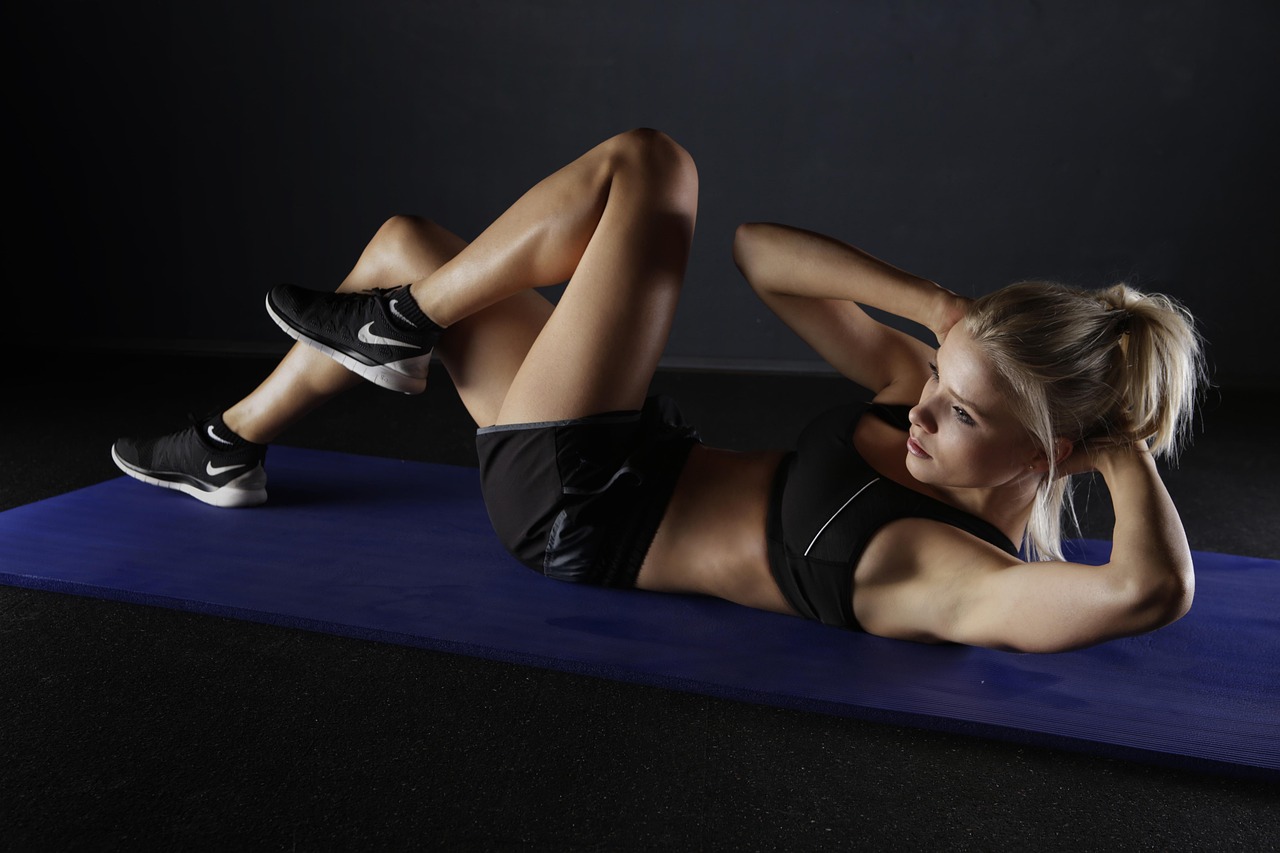
The first exercise to consider for postnatal core rehabilitation is the pelvic tilt. This simple yet effective movement helps to re-establish your abdominal connection. To perform a pelvic tilt, lie on your back with your knees bent and feet flat on the floor, hip-width apart. Inhale deeply, and as you exhale, gently flatten your lower back against the ground while tilting your pelvis upward. Hold the position briefly before releasing back into the starting position. Repeat this movement for 10-15 repetitions, focusing on controlled breathing and engagement of the core muscles. The pelvic tilt helps to strengthen the lower back and abdominal region while promoting proper posture. Additionally, this exercise can help in relieving discomfort caused by muscle tension in the lower back, a common issue during the postpartum period. It’s essential to perform this exercise regularly to notice improvements in your core stability and overall pelvic alignment. As you become more comfortable, consider gradually increasing the duration of each tilt or incorporating variations to challenge your core further.
Bridge Exercise for Core Strength
Another beneficial exercise for postnatal core rehabilitation is the bridge. This exercise targets both the abdominal and gluteal muscles, promoting strength and stability throughout the core area. To perform a bridge, lie on your back with your knees bent and feet firmly on the ground. Press your feet into the floor and lift your hips towards the ceiling, engaging your core and glutes. Hold this position for a few seconds before lowering your hips back down. Complete 10-15 repetitions of the bridge, ensuring proper alignment throughout the movement. The bridge not only strengthens the core muscles but also aids in pelvic floor recovery, making it particularly advantageous for new mothers. Additionally, this exercise can be modified by placing a small exercise ball between your knees to encourage inner thigh engagement or by lifting one leg while holding the bridge position for an added challenge. Consistent practice of the bridge can lead to improvements in overall core function and help new mothers regain their strength effectively.
The cat-cow stretch is an excellent dynamic exercise for enhancing core flexibility and mobility. Begin on your hands and knees, maintaining a neutral spine. As you inhale, arch your back and lift your head (the cow pose), and as you exhale, round your spine and tuck your chin (the cat pose). This rhythmic movement helps to engage and release the core muscles, promoting relaxation while also gently activating the pelvic floor. Aim to perform 10-15 repetitions of this flow, focusing on deep, controlled breaths. The beauty of the cat-cow stretch is its dual function; it invigorates the spine while also providing a comforting stretch for the abdomen. New mothers, especially, can benefit from this exercise as it helps alleviate tension in the back and neck while encouraging proper alignment in the core. Gradually, as flexibility increases, you may find yourself able to deepen the stretches further. This exercise can be seamlessly integrated into your daily routine, making it an easy addition to your post-pregnancy fitness journey.
Pilates for Postnatal Core Rehabilitation
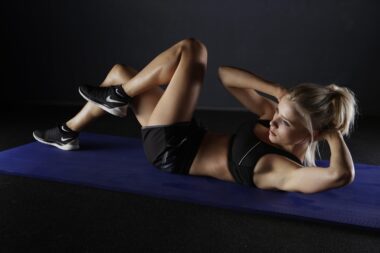
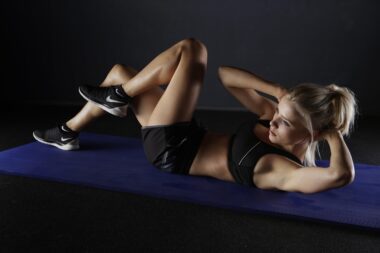
Pilates is an exceptional method for enhancing core strength and stability during postnatal recovery. Many Pilates exercises specifically focus on re-engaging deep abdominal muscles, essential for proper posture and balance. One beginner-friendly Pilates move is the hundred. To perform the hundred, lie on your back with your legs in a tabletop position and your arms by your sides. Begin to pump your arms up and down, inhaling for a count of five, then exhaling for a count of five. Aim to reach a goal of 100 arm pumps, which simultaneously activates the core. While challenging, this exercise can be modified by keeping your head on the mat until comfortable. Pilates helps improve overall strength, flexibility, and awareness of alignment, which are critical after childbirth. As you progress, consider incorporating additional Pilates moves that focus on alignment and core activation, helping to build a strong foundation as new mothers transition back into their fitness routines.
The side-lying leg lift is an effective exercise for strengthening the oblique muscles, which support the waist and pelvis. To perform this exercise, lie on one side with your lower arm extended under your head for support. Keep your legs stacked, and lift your top leg towards the ceiling, keeping it straight and aligned with your hip. Lower it back down slowly and repeat for 10-15 repetitions, ensuring you engage your core throughout the movement. The side-lying leg lift strengthens the outer thighs and improves stability in the core region. A variation involves lifting the top leg and holding it in the air for several seconds, increasing the time as your strength improves. It’s vital not to rush through this exercise but rather maintain control and focus throughout. Consistent practice will empower new mothers to build core strength along with the stability needed for daily parenting activities. Incorporating this exercise into your routine can gradually enhance muscle tone and contribute to overall core rehabilitation goals.
Final Thoughts on Core Rehabilitation
In conclusion, postnatal core rehabilitation is a crucial aspect of recovery for new mothers. Engaging in exercises like the pelvic tilt, bridge, cat-cow stretch, Pilates, and side-lying leg lifts provides comprehensive support for rebuilding core strength and stability. It is essential to approach these exercises with patience and to listen to your body throughout the process. Building a solid core foundation will facilitate improved posture, alleviate discomfort, and enhance overall physical performance. Additionally, incorporating regular movement and observing your progress can boost motivation and facilitate emotional well-being during the postpartum period. As every woman’s journey is unique, personalized routines developed with the help of healthcare providers or fitness professionals can maximize safety and effectiveness. Consider pairing exercises with proper nutrition and hydration to support your recovery. Remember, seeking guidance from experts ensures the continuation of healthy practices. Embrace this opportunity to connect with your body and mind post-birth, initiating a strong, confident, and empowered return to fitness while caring for your new bundle of joy.
Your postnatal core rehabilitation journey begins today, supporting your transition into motherhood and beyond. Make wellness a priority and enjoy the process! By engaging in these essential exercises, new mothers can reclaim their strength and cultivate a positive relationship with their bodies. Choose to celebrate every small victory along the way!