
Managing Hydration in High-Altitude Training Environments
Hydration is a crucial aspect of training, especially for athletes who engage in high-altitude training. At higher altitudes, the body experiences a range of physiological changes that can significantly affect hydration levels. This is due to increased evaporation rates, higher respiratory rates, and changes in blood viscosity. Consequently, athletes must adjust their hydration strategies to maintain optimal performance. Understanding fluid requirements is vital for promoting endurance, enhancing recovery, and reducing the risk of dehydration. This article explores various hydration strategies that can be implemented in high-altitude environments, ensuring athletes meet their hydration needs. Athletes should prioritize fluid intake before, during, and after physical activity. A personalized hydration plan can help ensure athletes drink enough fluids tailored to their specific training and environmental conditions. Monitoring urine color and volume can also give practical insight into hydration status, guiding adjustments to fluid intake. Furthermore, incorporating electrolyte-rich drinks is beneficial in these conditions. A well-balanced approach toward hydration can enhance an athlete’s overall performance and resilience against altitude-induced physiological stresses.
Proper hydration before an athletic event is fundamental for performance enhancement. This becomes even more critical when training at high altitudes, where dehydration can lead to severe consequences. Athletes should establish a standard pre-training hydration routine that includes drinking water and electrolyte solutions at strategic points leading up to their physical exertion. It is essential to assess the athlete’s hydration status before every training session. Tracking fluid intake can significantly aid in identifying patterns or deficiencies in hydration practices. Additionally, athletes can consume foods high in water content, such as fruits and vegetables, to contribute to their overall fluid intake. It’s advisable to consume at least 500-1000 mL of fluids in the hours preceding the training and to avoid alcohol and caffeine, as these can further dehydrate the body. As high-altitude training often involves longer sessions, having a thermos or hydration pack on hand can facilitate constant access to fluids while on the move. Keeping a hydration journal may prove beneficial too, allowing athletes to pinpoint effective strategies for maintaining hydration status in challenging environments.
Hydration During Training Sessions
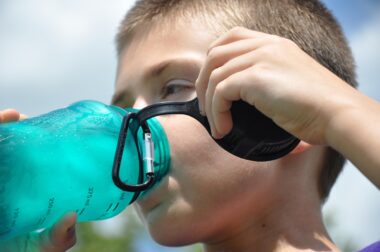
During training sessions at high altitudes, maintaining hydration becomes a dynamic process. The combination of increased exertion and dry ambient air accelerates fluid loss. It is essential to develop a hydration strategy that is not only effective but easy to implement during workouts. A general rule is to consume around 500-700 mL of fluid for every hour of exercise, but individual needs may vary. Regular hydration breaks should be incorporated into training sessions to ensure athletes replace lost fluids. Carrying a portable water bottle or utilizing hydration packs can simplify access to fluids while minimizing disruptions to workout flow. In addition to water, incorporating electrolyte-rich drinks can significantly replenish lost minerals. Providing options that include sodium, potassium, and magnesium helps maintain electrolyte balance, which is vital for muscle function and injury prevention. Athletes should be educated about the signs of dehydration, such as dizziness, fatigue, and dark urine. Recognizing such symptoms during training can prompt timely hydration interventions. Consistent communication with coaches about hydration needs creates a supportive environment for maintaining proper fluid levels.
Recovery hydration is an often-overlooked aspect of an athlete’s regimen particularly at high altitudes. After training, rehydrating is equally essential as pre-training hydration. Post-training, it is critical to replace fluids lost during the workout to facilitate recovery and enhance performance. Research indicates that consuming approximately 1.5 L of fluid for every kilogram of body weight lost can effectively rehydrate the body. Integrating a hydration plan that includes water and electrolyte solutions directly after exercise will support cellular recovery and replenish stores. Athletes should prioritize fluid intake during the first hour following training as this time is crucial for effective recovery. Including recovery supplements that contain carbohydrates and proteins can also aid in this process, enhancing rehydration efforts. Monitoring weight changes pre-and post-training can provide an effective measure to quantify fluid loss and necessary replenishment. The timing of post-training hydration should factor in overall daily fluids consumed to ensure sufficient hydration levels are met. Utilizing hydration strategies like drinkable yogurts or broths can offer variety and flavor, making post-training consumption enjoyable and effective in hydration efforts.
Hydration Monitoring Techniques
To effectively manage hydration levels, athletes must adopt monitoring techniques that accurately reflect their fluid needs. One practical approach is to regularly check urine color and clarity, an essential indicator of hydration status. Light yellow urine typically signifies adequate hydration, while dark urine often indicates a need for more fluids. Additionally, athletes may consider using hydration tracking apps, which help log daily fluid intake and encourage accountability. These digital tools can provide reminders to drink fluids and track patterns that influence performance. Regularly weighing oneself before and after training can offer insight into fluid loss and guide hydration strategies. Athletes can correlate weight loss with fluid consumption to develop personalized hydration plans. Another effective method is the use of sweat tests, where fluid losses during workouts are measured. These tests determine sweat rates, enabling athletes to tailor their fluid intake. Pairing physical cues, such as thirst levels, with technology-driven tracking can create a comprehensive hydration strategy. Empowering athletes with knowledge about their hydration status supports better decision-making in fluid intake during both training and recovery phases.
It’s essential to educate athletes about the implications of dehydration during high-altitude training. Dehydration can lead to a range of complications, impacting performance, energy levels, and recovery. Informing athletes about potential symptoms, such as headaches, dizziness, and decreased performance can foster proactive behaviors. Having consistent discussions focused on hydration strategies can bolster athlete engagement concerning fluid intake. Integration of hydration education into team meetings or workshops can reinforce collective commitment. Coaches play a critical role in group education surrounding hydration, encouraging athletes to prioritize their health amidst training demands. Moreover, athletes should be encouraged to share their hydration experiences, fostering an environment of support and collaboration. Creating a shared accountability system encourages athletes to speak up about their hydration needs. Visual aids, such as hydration charts or infographics depicting the consequences of dehydration can enhance understanding. Additionally, this education may motivate athletes to establish personal fluid intake goals. A well-informed athlete is more likely to achieve optimal hydration strategies, leading to improved performance, better recovery rates, and superior health outcomes during challenging high-altitude training.
Conclusion: Optimal Hydration Strategies
In conclusion, developing effective hydration strategies is crucial for athletes training in high-altitude environments. The strategies discussed highlight pre-training fluid preparation, hydration during workouts, recovery hydration practices, and monitoring techniques. It’s clear that achieving balance in fluid levels can greatly influence overall athletic performance in such challenging conditions. The integration of electrolyte solutions during training sessions, coupled with consistent hydration checks, can become a vital aspect of any athlete’s regimen. Education plays a fundamental role in improving hydration practices and understanding potential challenges associated with altitude training. Consequently, coaches and athletes must work symbiotically to implement effective hydration plans tailored to individual needs. Customary hydration guidelines, adaptive strategies, and open dialogue about hydration concerns can empower athletes. As a result, athletes will experience resilience against the physical stresses associated with high-altitude training. Committing to tailored hydration plans will enhance endurance and overall performance throughout training cycles. Organizations and trainers alike must prioritize hydration education as an integral part of athlete development. Ultimately, a strong focus on hydration can lead to significant improvements in health, safety, and performance in high-altitude training environments.