
The Future of Cardiopulmonary Rehabilitation in Sports Science
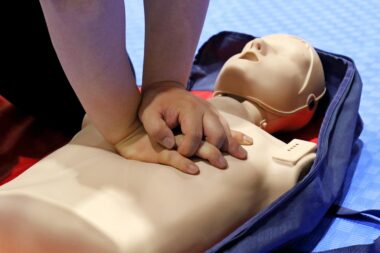
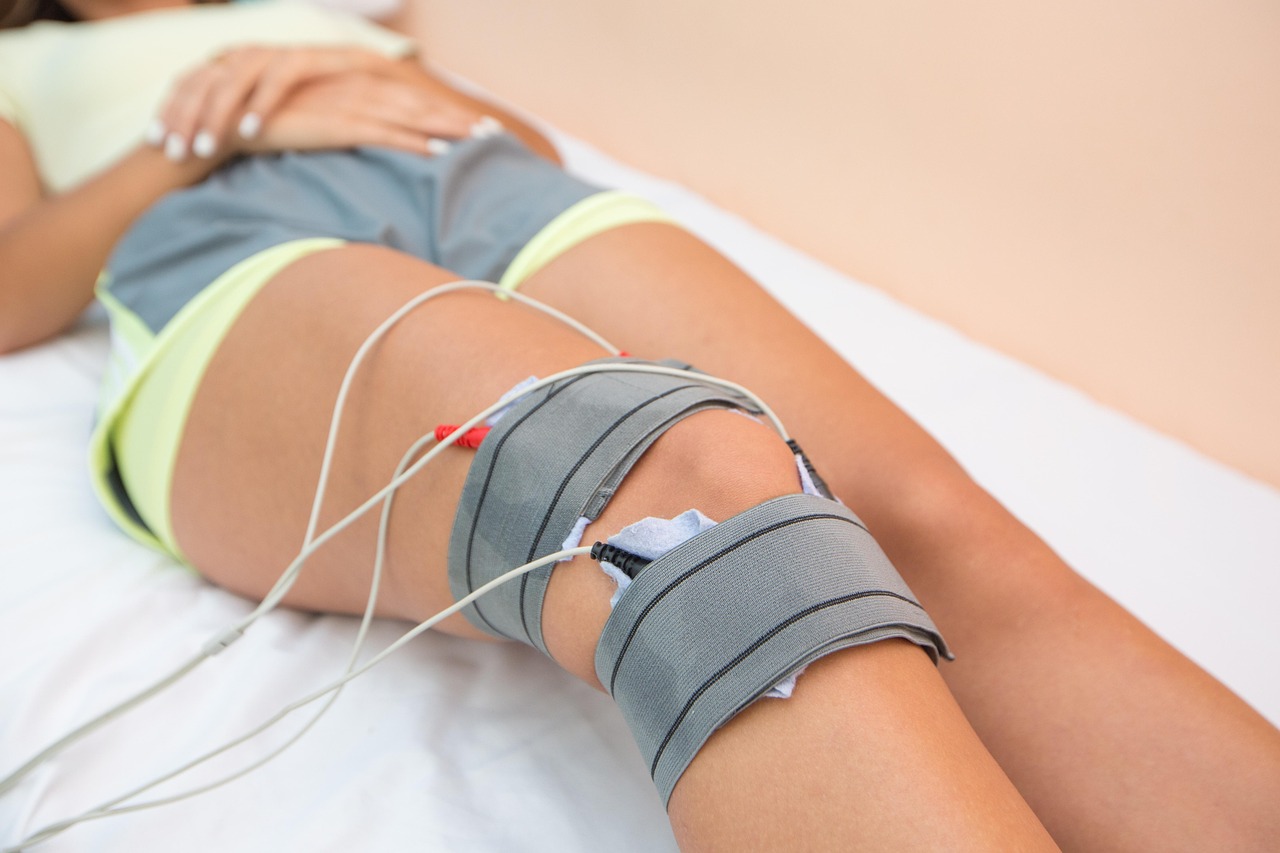
The landscape of cardiopulmonary rehabilitation in sports science is evolving at a remarkable pace. With advancements in technology and a deeper understanding of sports medicine, professionals are gaining insights into effectively rehabilitating athletes’ respiratory and cardiovascular conditions. Specialized training and tailored rehabilitation programs can lead to faster recovery and enhanced overall performance for athletes. Programs are focusing on personalized approaches, emphasizing the unique needs of individual athletes. By integrating various therapeutic techniques, professionals aim to optimize the rehabilitation process, ensuring that athletes return to their respective sports stronger and more resilient. Moreover, the collaboration between sports scientists, physiotherapists, and medical practitioners is essential in developing holistic rehabilitation plans. Continuous research is being conducted to explore innovative strategies, including the use of wearable technology, telemetry, and biofeedback. These elements contribute to a more data-driven approach to rehabilitation, enabling practitioners to monitor athletes closely, adapting programs accordingly. As these developments materialize, the future of cardiopulmonary rehabilitation will undoubtedly redefine traditional practices, promoting optimal health and performance in athletes while minimizing injury risks.
The role of technology within cardiopulmonary rehabilitation cannot be overstated. Innovations such as telehealth services, mobile applications, and advanced monitoring devices are revolutionizing the field. With remote assessments and consultations, healthcare professionals can provide tailored support to athletes, evaluating their progress in real time. This technological integration facilitates timely adjustments to rehabilitation protocols, ensuring optimal recovery outcomes. Additionally, athletes become more engaged in their rehabilitation processes through these digital platforms. They maintain personal accountability and motivation, ultimately promoting adherence to exercise regimens. Furthermore, utilizing data analytics allows practitioners to track trends, helping identify areas needing attention. Wearable devices capture vital signs, providing critical insights into an athlete’s cardiovascular and pulmonary health during training and recovery. These innovations lead to better decision-making and enhance the quality of rehabilitation services. Moreover, as gamification concepts become prevalent, athletes can experience an interactive rehabilitation environment, adding enjoyment to their recovery process. Technology not only streamlines rehabilitation but also strengthens the collaborative efforts between professionals and athletes, creating an engaging and efficient rehab experience.
Personalized Rehabilitation Approaches
Personalized rehabilitation approaches are emerging as the gold standard in cardiopulmonary rehabilitation. Each athlete possesses distinct physiological responses, and recognizing this individuality allows for tailored programs to enhance recovery. Assessments utilizing metabolic profiling and specific health history data form the basis of personalized rehabilitation plans. Through these assessments, coaches can design specific aerobic and anaerobic exercises targeting the unique needs of each athlete. Incorporating elements such as interval training or endurance exercises enables customized progressions that suit individual capabilities. Additionally, integrating psychological support is vital for a holistic approach, nurturing mental health alongside physical recovery. Mental resilience is essential for athletes in overcoming challenges associated with injuries. Hence, sports psychologists are becoming integral to rehabilitation teams, supporting athletes through cognitive behavioral therapy and mindfulness practices. This multi-faceted treatment ensures a comprehensive focus on both physical and psychological healing. With these personalized strategies, athletes can experience enhanced performance and lower recurrence rates of injury. Emphasizing individualization will pave the way for future advancements, as the understanding of unique athlete dynamics sharpens in cardiopulmonary rehabilitation.
Training environments also play a crucial role in successful rehabilitation. Indoor and outdoor settings can significantly influence how athletes engage with their rehabilitation. Creating a conducive environment fosters motivation, commitment, and enjoyment during workouts, which ultimately leads to better adherence. Incorporating state-of-the-art facilities with easy access to technology can facilitate a beneficial training atmosphere. Factors such as air quality, lighting, and ambient noise levels are important to consider, as they can impact sports physiology and athlete recovery. Facilities designed for optimal airflow and climate control contribute positively to cardiopulmonary health, allowing athletes to perform better while rehabilitating. Outdoor training sessions, however, can stimulate mental well-being, encouraging a connection with nature, enhancing overall recovery experiences. By striking a balance between indoor and outdoor sessions, rehabilitation programs yield a comprehensive approach to healing and rebuilding. Moreover, fostering community within training groups can also enhance motivation as athletes share experiences throughout their rehabilitation journey. The training environment can be a catalyst for recovery and peak performance, transforming how rehabilitation unfolds in the realm of sports science.
Integration of Multidisciplinary Teams
Collaboration among multidisciplinary teams is proving essential for effective cardiopulmonary rehabilitation in athletes. A comprehensive approach involves the integration of various healthcare professionals, including sports psychologists, physiotherapists, nutritionists, and medical doctors. By working together, these experts can create holistic rehabilitation strategies that address the multifaceted needs of athletes grappling with cardiopulmonary challenges. Each professional contributes vital knowledge and skills, resulting in stronger recovery plans. For instance, while physiotherapists focus on physical recovery, nutritionists can optimize dietary protocols that support cardiovascular health. Furthermore, implementing psychological assistance ensures athletes maintain a positive mindset while recuperating. This collaborative dynamic fosters improvement in overall rehabilitation success rates and enhances individual outcomes for athletes. Regular interdisciplinary meetings allow professionals to align their efforts and share valuable insights that can be incorporated into rehabilitation programs. This synergy creates a culture of communication, resulting in efficient therapeutic outcomes and stronger recovery pathways. As the sports science arena evolves, the importance of multidisciplinary teams will continue to shape the future of cardiopulmonary rehabilitation effectively.
Furthermore, research plays a pivotal role in shaping the future of cardiopulmonary rehabilitation. Scientists and sports practitioners are continuously investigating new methodologies, ensuring that rehabilitation practices remain current and effective. Exploring the benefits of innovative training approaches, such as high-intensity interval training and active recovery techniques, enables professionals to devise cutting-edge rehabilitation programs. Additionally, research into the influence of nutrition on cardiopulmonary recovery is uncovering vital information essential for optimizing rehabilitation strategies. Understanding how specific dietary components, such as antioxidants and anti-inflammatory foods, impact healing can significantly enhance recovery timelines. Investing in applied research will enable sports science to evolve, ultimately providing athletes with the best options for recovery and return to peak performance. Furthermore, establishing clear guidelines built on empirical evidence ensures that rehabilitation practices are standardized and effective. Future researchers are likely to focus on the interplay between technology and rehabilitation techniques, highlighting the effectiveness of advanced tools. Such research will guide professionals and athletes alike in navigating the complexities of cardiopulmonary rehabilitation.
Conclusion and Future Perspectives
In conclusion, the future of cardiopulmonary rehabilitation within sports science appears promising and full of potential. As advancements in technology, personalized approaches, and multidisciplinary collaboration continue to evolve, athletes stand to benefit immensely from tailored rehabilitation strategies. By focusing on innovative methodologies and research-backed practices, professionals will achieve optimal outcomes for injured athletes. Enhanced training environments and engagement with digital tools will foster adherence, accountability, and a more enjoyable rehabilitation journey. Moreover, the integration of various healthcare specialists will ensure that athletes receive comprehensive support throughout their recovery. The collective efforts to reshape cardiopulmonary rehabilitation will bolster injury prevention, improve athletic performance, and promote lasting health outcomes. Growth in this field indicates a shift toward a more holistic, athlete-centered approach that values physical and psychological well-being. As professionals continue to explore and refine strategies, athletes can look forward to recovering from injuries more effectively, returning to competition stronger and rejuvenated. Emphasizing the importance of continuous evolution will be vital for advancing sports science and enhancing the lives of athletes worldwide.
Ultimately, the commitment to innovative and effective rehabilitation practices is paramount in shaping the future landscape of cardiopulmonary health in sports. By staying abreast of new research, technology, and interdisciplinary strategies, professionals will be better equipped to cater to the unique needs of athletes. Supporting their journey towards recovery and performance optimization will shape the next generation of sports science, consistently striving for excellence.