
How to Identify and Use Natural Holds During Climbing
Rock climbing demands not only physical strength but also keen observational skills. Natural holds play a significant role in a climber’s experience and performance. These holds, composed of rocks and ledges, can either enhance your climb or create unforeseen challenges. Understanding how to identify and utilize these holds is essential. First, familiarize yourself with different types of natural holds, such as jugs, crimps, edges, and pinches. Each hold offers unique advantages based on your climbing style. For safe climbing, it’s critical to assess the stability and security of each hold. Always conduct a thorough visual evaluation before committing your weight to a hold. Assess the texture and angle of the rock; these factors contribute to your grip and balance. Additionally, consider the position of your body relative to the hold. Maintaining good body alignment enables effective weight distribution, enhancing your climbing capability. Furthermore, practicing your foot placements can greatly increase your efficiency on the wall. Create a mental map of the route as you climb, remembering that natural holds might change during different weather conditions. Observing fellow climbers can also offer insights into effective techniques for using natural holds.
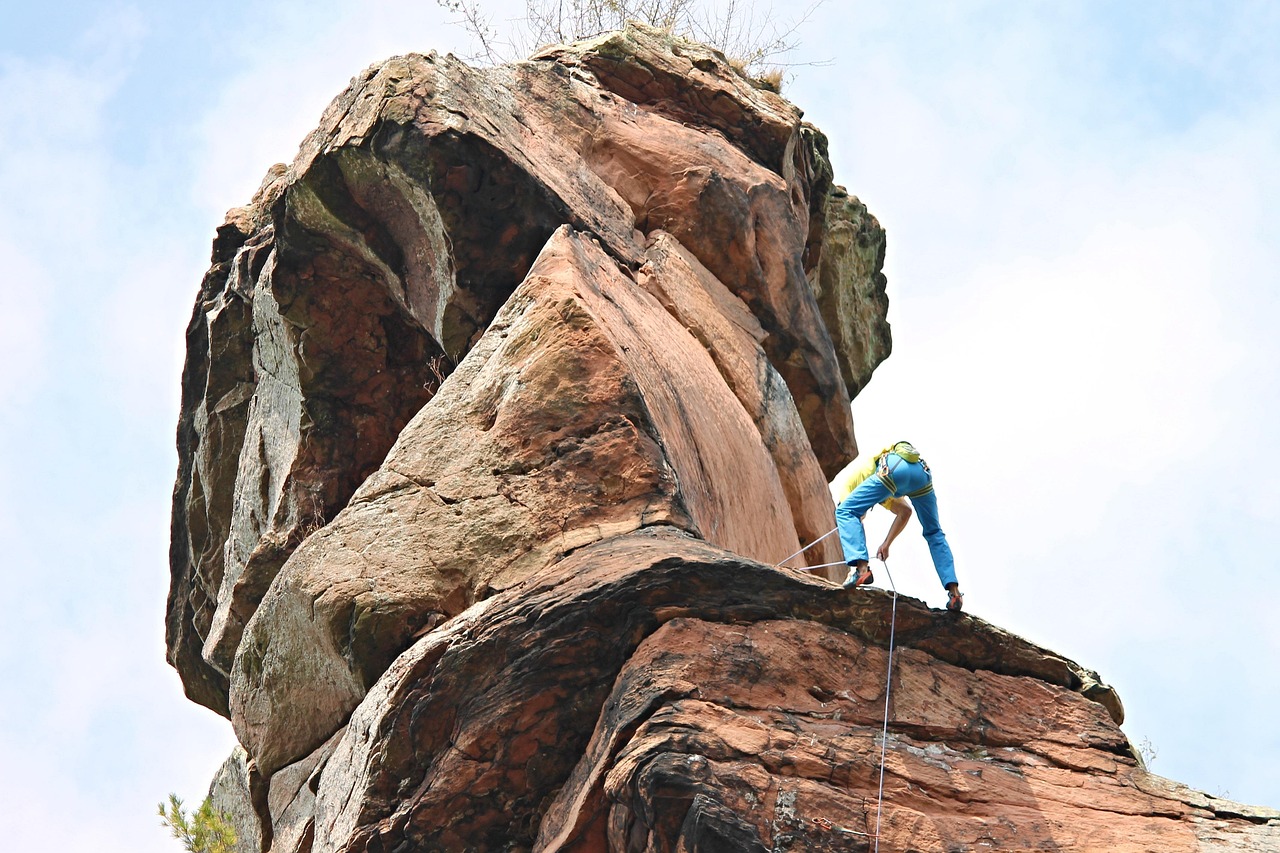
When climbing outdoors, especially on natural rock formations, hold selection becomes critical. Climbers should engage in a systematic approach to identify viable holds. Examine the rock structure closely, looking for features such as indentations or protrusions. These features can indicate potential holds. As you inspect, use your hands to physically feel these spots for texture and reliability. Often, natural holds may not be what they appear at first glance; a jagged edge can appear as a crimp, while a smoother area might provide better grip than expected. Communication with other climbers can also enhance hold identification, providing shared experiences and tips. Don’t hesitate to ask for advice on specific routes, as local climbers may have valuable insights. It’s crucial to note the weather’s impact—wet holds can be slippery and unreliable. Predict the effects of water or climbing conditions on natural holds and plan your route accordingly. Remember, safety is your top priority. Establish a solid bouldering or top-rope safety system as you practice these techniques. This preparation will ensure that you are ready to climb confidently, adeptly using natural holds for best results.
Practical Techniques for Utilizing Holds
Once you’ve identified natural holds, employing effective techniques enhances your climbing experience. Start by learning the appropriate grip for each type of hold. For instance, a jug allows for a full hand grip, which can encourage a relaxed climb. However, a crimp requires a firmer grip with fingers positioned properly so as not to strain. Always practice maintaining your core stability by engaging your abdominal muscles, which can help keep your center of gravity aligned. Utilizing your legs is just as important; push off with your feet to lessen the load on your arms. This not only helps in conserving energy but also maintains better balance. Experimenting with different body positions can often lead to discovering more efficient ways to use holds. Engage with the rock surface, adjusting your hand movements based on feedback. Being adaptable is vital; the natural hold may shift, necessitating quick thinking and adjustments. As conditions may vary from one climb to the next, analysis of movements helps you learn and refine your grip techniques. Developing these skills can greatly contribute to your overall climbing efficiency and performance.
Another valuable aspect of climbing is creating an effective strategy for route planning. Before you start climbing, visualize your climb and plan your ascents based on the identified holds. Take mental notes of holds that are more secure and those that may require more caution. Setting small, attainable goals during the climb helps to maintain motivation while boosting confidence. Break down the route into manageable sections, focusing on specific holds and movements. This method encourages climbers to stay focused, reducing mental fatigue. When approaching challenging sections, don’t hesitate to pause and reassess your strategy. This practice is vital, especially when facing unexpected challenges or unfamiliar areas of climbing. It’s essential to acknowledge signs of fatigue; if you’re feeling wearied, take a moment to breathe and find stable holds. Frequent breaks not only rejuvenate your strength but also reevaluate your grip techniques as you can observe other climbers, learning from their successes and mistakes. Each climbing experience offers a learning opportunity; documenting your climbs helps track progress. Keep a climbing journal to reflect on the holds and techniques that functioned well for you.
Learning from Climbs
Reviewing your climbing experiences also includes assessing both successes and mistakes. Post-climb discussions with climbing partners can provide critical insights into improvement areas. During your ascent, recording specific details about holds can significantly help you later. Taking notes about hold types, their positions, and how they felt under pressure contributes to a clearer understanding of your climbing style. Video recordings can offer another dimension by capturing your techniques in action. You may identify adjustments for better efficiency when watching your movements. As you continue to climb, you should remain open to learning from various sources—including climbing literature and online resources. Books and articles written by experienced climbers often share methodologies about hold selection, foot placements, and movement techniques that can greatly improve your skills. Embrace the journey of growth as a climber; it’s a process that requires patience and dedication. Remember that evaluating your progress isn’t solely based on climbing grades. Your improvements in identifying and using natural holds are valid accomplishments that should be celebrated.
Safety during climbs is paramount. Unfortunately, accidents can still occur, regardless of experience. Thus investing in quality climbing gear, such as helmets and harnesses, is a wise decision. However, gear isn’t the only factor; understanding the environment is essential in ensuring safety while scouting for natural holds. Awareness of your surroundings will help you avoid accidental falls. Whenever probable, climb within sight of fellow climbers for precious spotting assistance, as they can help guide you during difficult maneuvers. It’s advisable to practice climbing with a partner, allowing you both to develop a stronger understanding of natural holds. Pairing up helps enhance trust and communication, providing invaluable assistance during climbs. Always take time to build rapport and learn from each other’s experiences and strengths. Remember to communicate clearly, sharing feedback about holds and techniques. Climbing can be both physically demanding and mentally taxing. Having a reliable partner can often alleviate the pressure, allowing you to focus on embracing the beauty of the outdoors while honing your skills. Mutual encouragement spurs both partners towards greater heights in climbing success.
The Joy of Climbing
Ultimately, the joy of climbing transcends merely reaching the top of a route; it’s about bonding with nature and experiencing the thrill of adventure. Engaging with natural holds enhances this excitement as you connect with your environment. Each climb offers a unique experience, creating unforgettable memories cherished for years to come. Learning to identify and use natural holds effectively fosters a deeper appreciation for the complexities and beauty of rock formations. As you hone your climbing abilities, you simultaneously cultivate respect for your limits while pushing your boundaries. Climbing fosters confidence and strength, both physically and mentally. As you gain experience, each journey serves as a source of motivation to tackle new challenges. Always try to push yourself outside of your comfort zone, exploring various cliffs and terrains. Embrace the lessons learned from each climb as building blocks for future adventures. Besides developing physical prowess, climbing enriches your life experiences, building character and resilience. The friendships and community formed around climbing often contribute to a shared passion that further enhances the thrill of outdoor adventure sports.
Connecting with fellow climbers can open doors to new insights and experiences. Attending local climbing events provides opportunities to meet people who share the same passion. These gatherings often inspire climbers to test their skills in different environments, encouraging each other to explore beyond familiar climbing locations. Additionally, social media allows climbers to join groups, where they can share stories, tips, and technical advice. Engaging with these communities can enhance your learning experience as you interact with diverse skill sets and backgrounds. Participating in climbing workshops facilitates hands-on learning through instruction from seasoned climbers. These workshops often focus on techniques for identifying and utilizing natural holds effectively. Developing these connections expands your climbing repertoire significantly; there’s so much to learn from others. An important part of the climbing journey is the collective encouragement that fosters growth. Every climber brings unique perspectives and techniques. Learning from others can reveal new ways of approaching challenges, ultimately fostering improved skills. With supportive communities, you’ll find yourself motivated during climbs. The friendships fostered through shared passion enhance the climbing experience while allowing for personal growth through shared triumphs and setbacks.