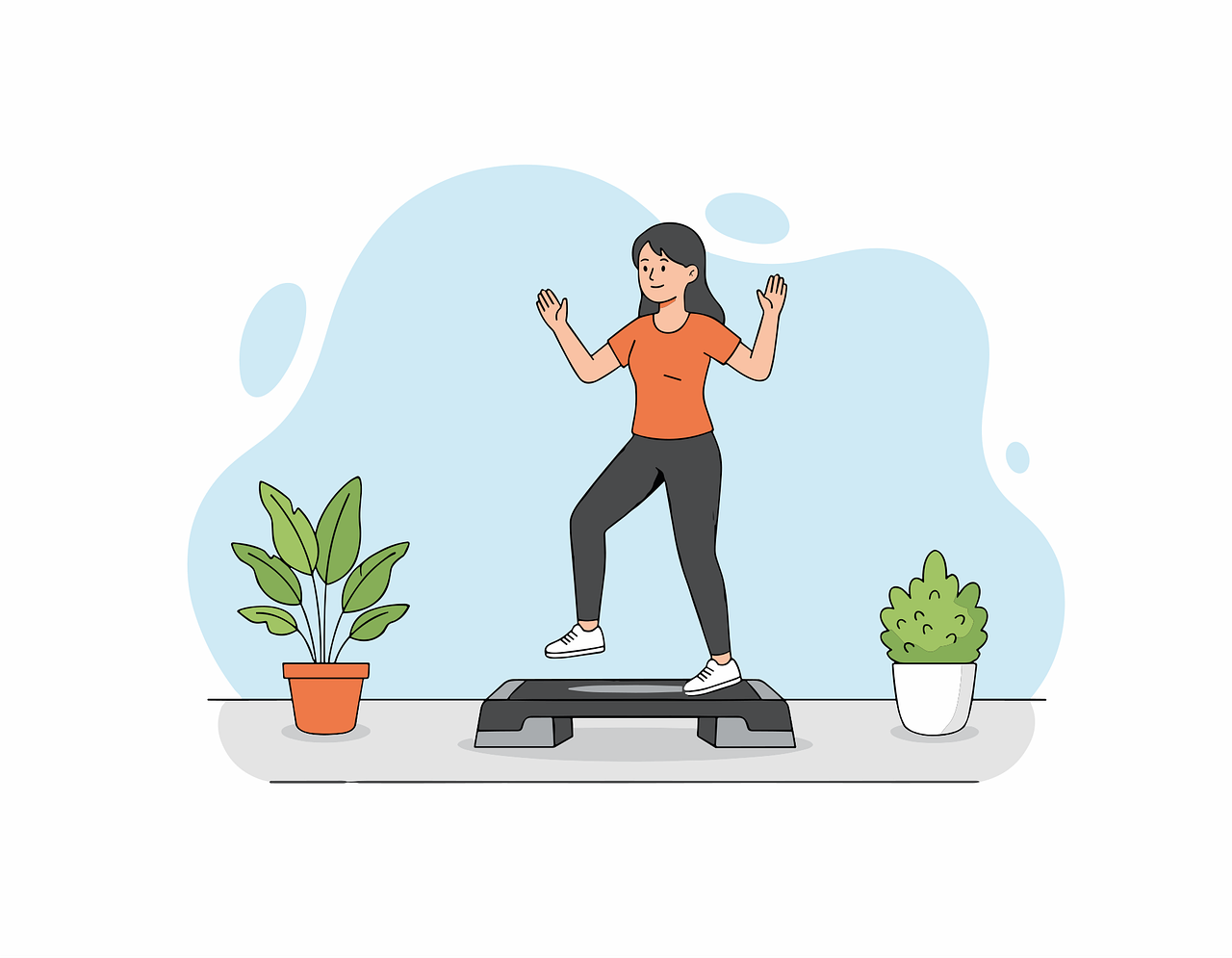

10 Essential Warm-Up Exercises to Prevent Injuries in Dance Aerobics
In dance aerobics, warming up is crucial to prevent injuries. Proper warm-up routine prepares the muscles for rigorous movements that will follow. Engaging in warm-up exercises increases blood circulation, which helps in reducing stiffness. Furthermore, it enhances flexibility and range of motion, allowing dancers to move easily. Specifically tailored warm-ups focus on the upper and lower body. A combination of dynamic stretches and strength-building activities can yield effective results. Increasing the heart rate gradually through suitable exercises is vital before an aerobic session. Basic warm-up moves such as arm circles, leg swings, and gentle lunges can significantly reduce the risk of strains and sprains. These movements activate muscle groups that will be actively involved during the main workout. Making a habit of warming up before sessions is essential. Moreover, it can lead to improvements in overall performance during dance aerobics. Regular warm-ups not only prevent injuries but also enhance stamina and endurance levels. Take your time with these warm-ups, ensuring that every muscle is adequately prepared for the upcoming strenuous activities.
The Importance of Warm-Ups
Understanding the importance of warm-ups goes beyond just preventing injuries in dance aerobics. They are designed to prepare the body, increasing heart rate and improving flexibility. Warm-ups activate your nervous system, priming your muscles for the soon-to-follow intense activities. As you get your body ready, you’re effectively reducing potential risks of injury, making them essential not merely for dancers but everyone participating in physical activities. This setup lets your body adapt to the shifting demands of dance aerobics effectively. Keeping joints fluid and responsive minimizes the shock on ligaments and tendons when undergo high-impact movements. Remember, skipping warm-ups can lead to sore muscles and prolonged discomfort. Also, warm-up exercises can contribute to better coordination as they help align body movements. Incorporate agility drills and bodyweight exercises in your routine to enhance not only your warm-up but also your overall performance. Variety is key; mixing different routines will keep your warm-up engaging. Aim to devote at least a few minutes to warm-ups before every session. Ultimately, this effort fosters a healthier approach toward your dance aerobics endeavor.
One essential exercise for warming up before dance aerobics is the dynamic stretch. Begin with controlled swings of your arms and legs, engaging large muscle groups effectively. When performed properly, these movements can enhance the muscles’ readiness for activity. Start with forward arm swings and gradually include variations like cross-body swings to target different areas. This particular warm-up not only helps to open up the shoulders but also allows you to establish rhythm in your workout. Another vital exercise includes walking lunges, which stretch the hips, quads, and glutes adequately. As you step forward, making sure to keep your knees aligned with your toes, ensures a safe lunge. Transitioning smoothly also boosts flexibility and balance. Additionally, consider incorporating side lunges into your warm-up. These target the inner thighs while offering lateral mobility. Gradually increasing the intensity of each warm-up exercise will better prepare you for the dance aerobics session ahead. Pay significance to how your body feels during these warm-ups. Always be conscious of any tight areas and adjust your routine accordingly to avoid strain.
Targeting Core Stability
A strong core is vital for stability and balance in dance aerobics. Incorporating core stability exercises during warm-ups can significantly improve performance while preventing injuries. Start with some basic plank variations, which not only engage the abs but also target the back and shoulders. Holding the plank position for even a short period challenges core strength effectively. Another excellent warm-up option is the bridging exercise. Laying on your back with knees bent, raise your hips toward the ceiling, creating tension in the core and glutes. This move enhances spinal alignment as well. It is essential for maintaining proper posture during dance aerobics routines. Additionally, consider including side planks to diversify your core workout as these promote lateral strength and stability. They can be established by rotating onto your side, supporting yourself on one forearm. Regular practice of these core exercises will yield beneficial results for your sessions. A well-engaged core acts as a powerhouse, enhancing movement efficiency throughout workouts. This ensures that your body’s connective tissues remain stress-free while enjoying the dance.
In addition to core exercises, including strength training in your warm-up routine can greatly assist in injury prevention. Focus on body-weight strength exercises like push-ups or bodyweight squats to build resilience and support muscle groups. These foundational movements are about more than just warm-up; they lay the groundwork for strength that can carry through the workout. Perform push-ups at a moderate pace to keep the muscles engaged, focusing on your form and breathing throughout. Variant options like incline push-ups can ease into the movement if needed. Addressing the lower body with squats helps prepare for the myriad of vertical movements in dance aerobics. Pay heed to your squat depth and maintain proper alignment with your knees and toes. As you warm-up, aim for higher repetitions that keep the heart rate elevated without overwhelming the muscles. Gradually growing strength enhances the body’s ability to adapt to different aerobic challenges. As dance aerobics involve quick transitions, strength to withstand these moves ensures that you remain injury-free.
Incorporating Cardio into Warm-Ups
Adding a cardiovascular component to your warm-up can also significantly enhance injury prevention in dance aerobics. Engage in light aerobic activities to raise your heart rate safely, preparing your body for higher intensity movements. Jumping jacks, for example, can serve as an effective way to elevate heart rates while activating other muscle groups. This exercise encourages coordination and abdominal engagement simultaneously. You can modify the pace to suit individual fitness levels and ensure accessibility. Other cardio options include high knee marches, which get your heart pumping and knees moving high, all while prepping your lower body. Increase the intensity by incorporating gentle hops to optimize the cardiovascular benefits. Furthermore, consider adding rhythm to your warm-ups by dancing lightly to music. This practice not only boasts aerobic benefits but also emphasizes the fun aspect of dance aerobics! Keep set durations manageable, ensuring efforts feel enjoyable rather than exhausting. The key to a successful warm-up before dance aerobics is variety; you want to engage different systems. Balance cardio, strength, and flexibility activities to form a complete warm-up formula.
Finally, cooling down after a dynamic warm-up is also essential in preventing injuries as it aids recovery. Transition from your high-energy dance aerobics sessions to gentle stretches designed to relax the muscles used throughout your workout. Always finish your dance aspect of the workout with gentle floor stretches like the seated toe touch or butterfly stretch, encouraging flexibility. Taking deep breaths during stretching maintains the heart rate at a steady level while securing muscular tension release. Besides physical benefits, requiring yourself to cool down helps foster mental calmness post-exercise. This can create a more balanced workout experience overall. Additionally, monitor body temperature as you cool down; this acts as a signal to recognize your body’s needs. Regularly practicing cooling down will psychologically signal your body post-exercise, promoting self-care awareness. Consider hydrating alongside cooldowns as it assists in overall recovery, maintaining your fluid balance, and reducing stiffness. Taking care of your body ensures that you can embrace dancing aerobics regularly while minimizing risks of injury. Warm-ups and cool-downs work hand-in-hand, as they secure your body’s readiness before and after intense physical activity.