
How Active Isolated Stretching Can Complement Pilates Practice
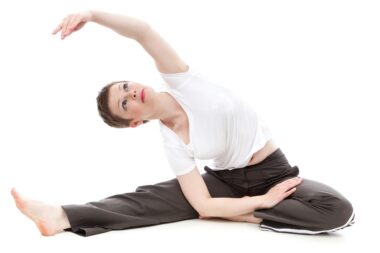
Active Isolated Stretching (AIS) is a stretching technique that emphasizes the importance of dynamic movement. It involves actively contracting opposing muscles to achieve a deeper stretch in the target muscle. This technique is particularly beneficial for individuals practicing Pilates, as it enhances flexibility and improves mobility. The main goal of AIS is to increase the range of motion in muscles and joints. Furthermore, by incorporating AIS into your Pilates routine, you can address specific muscle imbalances and tightness effectively. During AIS, each stretch is performed for a short duration of two seconds while advocating for relaxation in the targeted muscle. This means the stretch can be repeated multiple times, allowing for progressive lengthening without the risk of injury. Also, this method avoids the discomfort often associated with static stretches. Thus, practitioners can feel more comfortable and safe throughout their sessions. Therefore, those incorporating both AIS and Pilates into their regimen may experience enhanced athletic performance as well. By promoting better alignment and reducing the likelihood of injury, this dual approach can lead to a healthier, more balanced lifestyle.
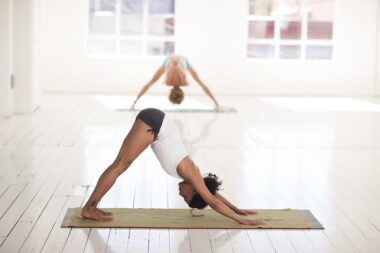
Active Isolated Stretching is especially effective in releasing muscle tension that can develop due to repetitive movements in Pilates. As Pilates focuses extensively on core stability and controlled movements, tightness may build in particular muscle groups. Through AIS, individuals can work on these tense areas and encourage muscle recovery. This is significant in a Pilates context, where flexibility and elongation of muscles are paramount. Revising your routine to include AIS not only helps in alleviating tightness, but it can facilitate better performance during your Pilates exercises. As you progressively increase flexibility with AIS, you might find your range of motion enhancing, allowing for deeper movements during exercises. Improved flexibility also helps in achieving a more effective stretch and strengthening phase. Moreover, to successfully integrate AIS with Pilates, it’s recommended to focus on specific muscle groups that may hinder performance. For instance, working on tight hip flexors can benefit activities like leg lifts within Pilates. Therefore, AIS serves to bridge gaps in flexibility that might limit the efficacy of your core workout. So, next time you’re on the mat, remember the advantages of combining these two techniques.
Enhancing Recovery Through AIS
Integrating Active Isolated Stretching into your Pilates practice can significantly boost recovery. By actively stretching muscles, you initiate blood flow, enhancing oxygen delivery to your body’s tissues. This increased circulation aids in muscle repair and shortens recovery time from workouts. For many practitioners, incorporating AIS after typical Pilates sessions can alleviate soreness commonly associated with physical activity. Furthermore, given its gentle nature, AIS allows you to promote healing without the risk of further strain. It encourages a controlled elongation of muscles, essentially refreshing them. After a Pilates workout, dedicating time to AIS stretches can facilitate joint mobility and improve overall muscle function. As a result, practitioners can maintain their weekly exercise frequency, benefitting from consistent training without prolonged recovery periods. Also, understanding the dynamic relationship between AIS and Pilates can ultimately foster a more enjoyable practice. With both techniques complementing each other, your fitness journey becomes more productive and fulfilling. Therefore, those looking for a sustainable approach to fitness should consider adding AIS to their regimen. By prioritizing recovery and flexibility, practitioners can focus on building a stronger, more resilient fitness foundation.
Moreover, one must also pay attention to the mental benefits of combining Active Isolated Stretching with Pilates. As with many forms of physical activity, taking time to stretch mindfully can improve mental clarity and focus. Active Isolated Stretching naturally encourages awareness through intention, reminding practitioners of their body limits and capabilities. This heightened sense of body awareness can be immensely beneficial in Pilates, where precise movements are crucial. Practitioners who learn to tune into their bodies during AIS may discover newfound connections. They may visualize their movements, enhancing both technique and efficacy during Pilates sessions. Additionally, breathing plays a significant role in both methods. Incorporating controlled breathing promotes relaxation and ease amidst challenging stretches. This can lead to a more centered and balanced practice, further enriching your Pilates workout. Regularly practicing AIS can also help alleviate stress, allowing for greater satisfaction and enjoyment from physical activity. Furthermore, this positive mental aspect encourages longevity within your fitness journey. Consequently, by focusing on both strength and flexibility, you’ll cultivate an overall healthier lifestyle and enjoy a more connected experience on the mat.
Incorporating AIS Techniques into Your Routine
To effectively incorporate Active Isolated Stretching into your Pilates routine, it’s essential to establish a plan that aligns with your current skill set and fitness goals. Begin by identifying particular muscle groups that feel tight or overworked during Pilates exercises. Focusing on these areas will allow you to target weaknesses. It is recommended to devote at least ten minutes to AIS stretching before or after a Pilates session. Engage in simple AIS stretches while keeping a mindful attitude. For example, while doing the hip flexor stretch, contract your glutes as you push against your respective leg. This serves to amplify the stretch while also allowing for relaxation in opposing muscles. Moreover, try to include a series of dynamic stretches that mirror the movements you will practice during Pilates. This crossover can further enhance your overall effectiveness. Additionally, consider documenting your progress to track improvements in flexibility and mobility. Understanding how AIS complements your Pilates practice can motivate you and showcase your evolving abilities. This approach imparts a sense of accomplishment, reinforcing the numerous benefits of an integrated fitness regimen.
Additionally, consider partnering with a knowledgeable instructor who can guide you through both Active Isolated Stretching and Pilates practice. An expert can provide personalized guidance tailored to your unique body mechanics, needs, and goals. Understanding the nuances between these two techniques can aid in making educated decisions regarding your personal fitness practice. Individual attention ensures that you implement Safe AIS techniques, preventing potential injuries and maximizing all provided techniques effectively. Many Pilates studios may offer specialized classes or sessions that integrate AIS. Engaging in these classes allows you to experience the benefits fully. Subsequently, connecting with fellow practitioners can also foster motivation and accountability. Sharing experiences during group classes or sessions enhances your understanding and commitment to developing flexibility. It also may lead to friendships that create a supportive environment. Combine the expert’s input, your knowledge, and the supportive community to cultivate a balanced practice focused on growth. As you embark on this journey, remember that progress takes time, and patience is key. Each achievement, no matter how small, should be celebrated as you enhance both strength and flexibility.
Final Thoughts
In summary, blending Active Isolated Stretching with Pilates practice can lead to numerous benefits that promote well-rounded fitness. The combination of strength, flexibility, and recovery principles encourages a holistic approach, enhancing your overall physical capabilities. Whether you’re a seasoned practitioner or just beginning, AIS can become an integral part of your fitness journey. As you incorporate AIS strategies into your routine, observe how they resonate within your Pilates practice. The dynamic relationship between these approaches serves to increase muscle performance, alleviate tightness, and cultivate body awareness. Practitioners can also find joy in recognizing improved outcomes with continued dedication and effort. Ultimately, understanding how to optimize both techniques can create balance in workouts, allowing for growth and achievement in fitness. Explore various stretches and methods to find what complements your style best. With consistency and intention, you’ll notice how these methods may transform your practice and lifestyle. Thus, don’t hesitate to explore AIS and Pilates together, enhancing flexibility while fostering strength. It’s a fulfilling journey that can lead to a healthier, stronger, and more connected you. Embrace the possibilities that await in your dual journey!