
How to Progress Your Push Exercises Without Equipment
Bodyweight push exercises are a fantastic way to enhance strength without needing equipment. They engage multiple muscle groups, enhance mobility, and can improve overall fitness. To make progress in these exercises, it’s essential to continually challenge your body. One effective strategy is to change your hand placement. By varying your grip width and angle during push-ups, you can target different parts of your chest and shoulders. Experiment with narrow grips for tricep emphasis versus wider grips for more chest activation. Another method is to increase the volume gradually. Aim to add additional repetitions each session, maintaining good form, as this progressive overload principle builds strength. Movement variations like incline push-ups, decline push-ups, and explosive push-ups can also be incorporated into your routine. These variations provide new challenges and stimulate different muscle fibers. Timing your rest periods and ensuring you push your limits safely will also optimize your outcomes. Incorporate these strategies systematically into your workout for effective gains. Remember to listen to your body, take adequate rest days, and maintain proper nutrition for optimal recovery and performance.
Another great way to progress in push exercises is by utilizing tempo variations. Slower movements can increase time under tension, which is essential for muscle growth. Focus on lowering yourself slowly during a push-up, holding for a moment at the bottom before pushing back up quickly. This method not only builds strength but also improves your overall control and stability. Consider integrating isometric holds at various angles of the push-up as well. For example, a pause halfway down can significantly challenge your muscles. Additionally, incorporating unilateral exercises, such as single-arm push-ups or archer push-ups, can add a new dimension to your workout. These movements force your stabilizer muscles to engage, thus improving overall body control. Prioritize mastering these movements before increasing the difficulty. Pair these exercises with core strengthening workouts, as a strong core will support your push exercises. Moreover, increasing overall body awareness and stability allows for more efficient movements. Don’t neglect warming up adequately before workouts to prevent injuries. Emphasize stretching and mobility, focusing on the shoulders and chest. This preparation will make significant differences in performance during push sessions.
Rest and recovery play crucial roles in progression; therefore, adhere to a balanced routine that incorporates active recovery days. Engaging in light activities helps promote blood flow to the muscles, aiding in recovery and performance. If push exercises are your focus, consider alternating workout days with lower body workouts or mobility routines. This allows the chest and shoulder muscles time to recover while still maintaining an active regimen. Proper nutrition is also key; ensure your diet supports your training goals with adequate protein and nutrients. Protein helps repair and build muscle fibers stressed during the workout. Hydration is critical for optimizing muscle recovery; drink plenty of water before, during, and after your workouts. Be mindful of your body’s cues to avoid overtraining. Incorporate techniques such as foam rolling or massages to alleviate muscle tension and soreness. Another beneficial technique is to write down your workout results to track progress consistently. This logging helps adjust your routines based on enough recovery and tailored improvement strategies. Completing this logging aids motivation levels and shows growth, whether it be with more reps or increased tempo intensity on push exercises.
Building Endurance in Push Exercises
Endurance is another aspect you can target to progress your push exercises effectively. To build endurance, focus on increasing the volume of your push workouts over time. Instead of trying to achieve maximum repetitions in one go, consider a structured approach where you perform multiple sets of moderate reps while maintaining good form. For example, you could complete four sets of ten push-ups, resting adequately between sets. As you progress, gradually increase the number of repetitions or sets. Furthermore, implementing circuit training can be beneficial. Create a circuit that includes push-ups along with other bodyweight exercises such as dips and planks. Completing these in quick succession will enhance endurance as well as strength. You could also experiment with different styles of push exercises, such as mixed plyometrics or explosive variations, which can enhance power and endurance simultaneously. Engaging in workouts that include short, intense bursts will help improve your anaerobic capacity and muscular endurance over time. Consistency in your training will build the stamina you require to perform more complex variations of push exercises with ease.
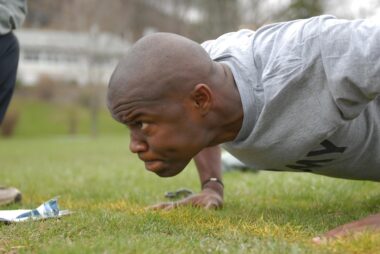
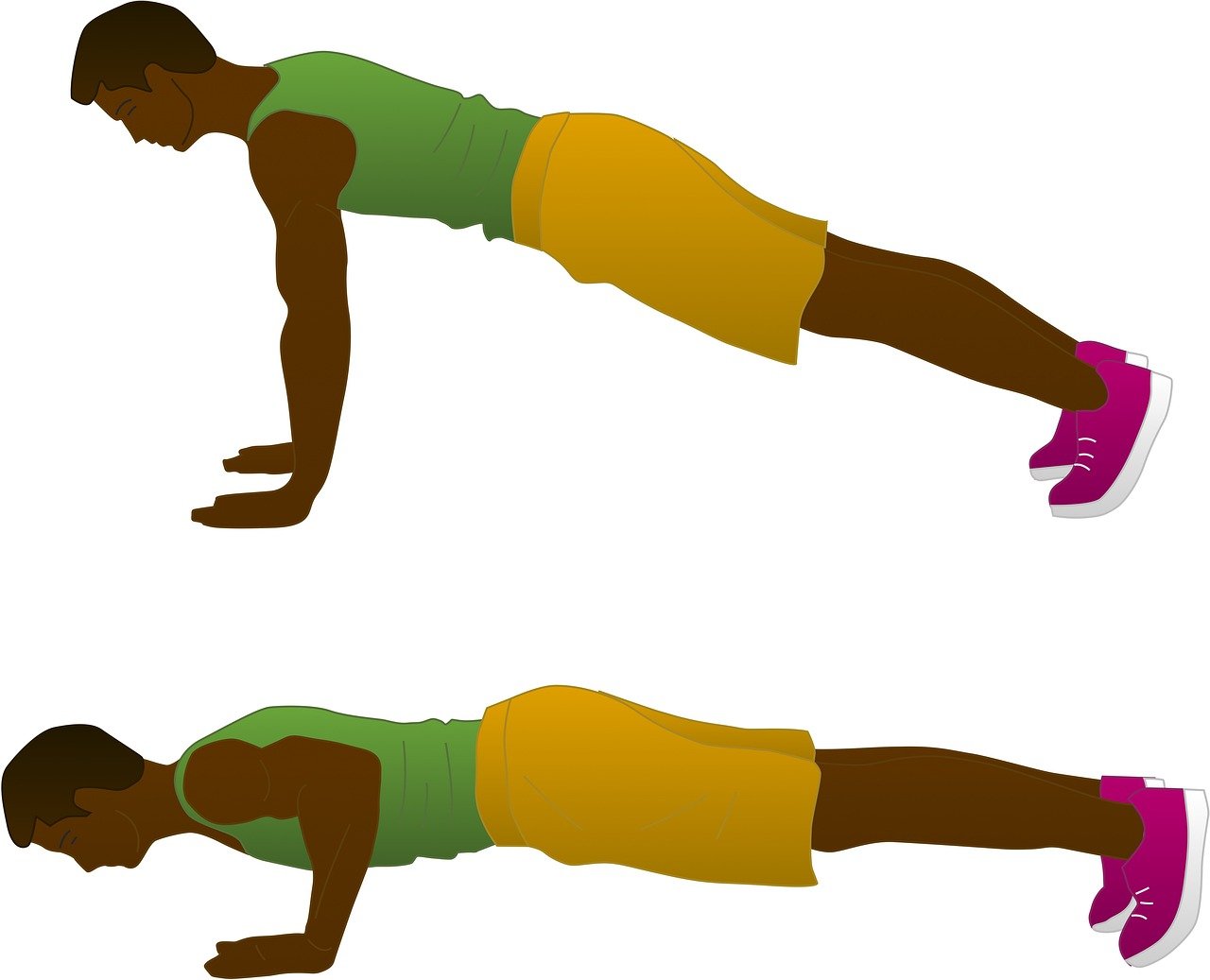
Another way to enhance your push exercises is to focus on form and technique. Emphasizing your body alignment during each repetition prevents injury while ensuring the target muscles are engaged. Start with proper hand placement, keeping your wrists directly under your shoulders to prevent strain. Maintain a straight line from your head to your heels during push-ups, activating your core muscles. This controlled posture allows you to target your chest, shoulders, and triceps more effectively. Mirror feedback or filming yourself can provide insights into your form, helping identify areas for improvement. Beyond form, technique variations can challenge your muscles differently. Consider dynamic movements, like push-up to plank, which not only work the push muscles but also enhance stability. Balance exercises may boost push-up performance, providing better overall control. Incorporate bodyweight squats or lunges to promote functional strength in combination. Enhancing general fitness can positively influence specific push exercise outcomes. Engage your mind throughout workouts by focusing on each muscle’s engagement, bridging the gap between body and brain. This active engagement can profoundly improve performance over time, creating a conscientious workout experience.
Incorporating Mobility Exercises
Improving mobility can also significantly impact your push exercise performance. Dedicated mobility work allows for better range of motion and potentially enhances strength while executing push exercises. Yoga and dynamic stretching routines are excellent for preparing your body for push workouts. Focus on shoulders, chest, and triceps during mobility warm-ups. For example, perform shoulder dislocates with a band or stretch with a doorway chest stretch to open tight areas. Another effective practice is integrating thoracic spine rotations, which can help repattern movement patterns essential for push-ups. Regularly engaging in mobility routines increases flexibility, which contributes to improved push mechanics over time. Moreover, joint stability can be refined through practices using balance exercises focusing on stability. For push exercises specifically, incorporating exercises like wall slides and scapular push-ups significantly enhances shoulder stability. Enhanced stability means stronger, more controlled push-ups. Ensure to include cooldown sessions focused on stretching following workouts to promote recovery. A balanced routine should also integrate foam rolling for any sore areas. By prioritizing mobility, you will experience noticeable improvements as your body becomes more adept at performing push exercises with ease.
Lastly, tracking your progress effectively directly influences your advancement in push exercises. Create a dedicated workout journal or utilize apps to log activities and results consistently. Include details such as repetitions, sets, and rest times. Evaluating your data allows you to see patterns of improvement over specific time frames. Implement feedback loops based on your logging, allowing for strategic adjustments in your workout plans. For example, if you notice a plateau, switching tempos, settings, or types of push variations can provide renewed challenges. Reviewing your progress graphically may boost motivation, as showing visual results fosters reflective insights on efforts. Mentally, have a goal; set both short-term targets, like performing more push-ups per set, as well as long-term objectives like mastering a more advanced variation, such as a one-legged push-up. Celebrate achievements at each level to keep your motivation intact for future challenges. Staying engaged with your goal helps maintain consistent effort and enthusiasm over time. Acts of personal reflection paired with active goal-setting create a positive mindset fostering resilience and growth in your push exercise journey.