
Fun and Engaging Balance Activities for Parkinson’s Patients
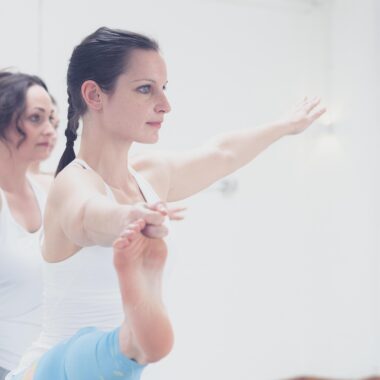
Living with Parkinson’s disease can significantly challenge one’s balance and coordination. However, engaging in tailored balance activities can greatly enhance stability and overall well-being. These activities not only focus on physical ability but can also foster social interaction. Participating in group activities allows patients to share experiences, promoting emotional support. Start with simple exercises such as standing on one leg while holding furniture or wall support. Gradually challenge oneself by increasing the duration. Incorporate dynamic movements where patients shift weight between feet. Activities like Tai Chi and yoga can improve both balance and flexibility. Such exercises also enhance the ability to adjust to sudden movements, increasing confidence during daily tasks. Have fun while practicing balance through games that involve tossing a ball or dancing to music with rhythm. This allows for exercise in a joyful manner. Always consult with a healthcare professional before starting any new activities, making sure they are safe. Each small step taken can contribute to better balance and a more active lifestyle, so stay positive and keep moving forward.
The Importance of Balance Training
Enhancing balance is crucial for individuals suffering from Parkinson’s disease. As the disease progresses, maintaining balance can become an uphill battle. Incorporating daily balance training can significantly reduce the risk of falls and injuries. Regular practice promotes core strength and improves proprioception, the awareness of body position in space. Patients can benefit from resistance bands or light weights while performing balance exercises, enhancing strength. Attention should be given to posture; correct alignment helps in maintaining balance. Using supportive devices, like a walker or cane, when necessary can provide additional safety. Group classes tailored for Parkinson’s patients can be exceptionally beneficial too. They create an environment of community and encouragement while learning essential skills. Furthermore, incorporating balance activities into a daily routine ensures consistency. Striving for just 10-15 minutes of practice per day can yield noticeable improvements! Also, consider varying the types of activities to maintain interest and challenge. Adding elements like music or partner participation can make each session more enjoyable. Ultimately, balance training is not just about physical improvement; it also fosters independence and a higher quality of life.
Various balance exercises can be easily incorporated into daily routines, ensuring practicality and consistency. Start by integrating simple movements such as heel-to-toe walking in a straight line within your home. This exercise enhances coordination while reinforcing mindful movement. Another fantastic option is the single-leg balance; practice lifting one leg while maintaining posture if necessary while holding onto an object for stability. Challenge oneself to increase the duration as comfort grows. A creative option includes using a balance board or cushion; these tools stimulate the muscles required for stability. A balance ball routine can also prove effective, as it involves engaging the core and improving overall balance. It’s essential to remain engaged and motivated; therefore, set personal goals. Keeping track of progress can provide encouragement and a sense of accomplishment. Additionally, don’t shy away from seeking assistance or guidance through physical therapists or classes specifically designed for Parkinson’s patients. Having a knowledgeable guide can make a difference in safely navigating your journey of improving balance and coordination. Ultimately, the goal is to enhance confidence and abilities that lead to greater independence, which is vital for fulfillment.
Socializing Through Balance Activities
Engaging in balance activities provides an excellent opportunity for social interaction and community building. For those managing Parkinson’s disease, joining a supportive group can foster camaraderie and mutual encouragement. Activities like group walks in local parks or organized classes give patients a chance to meet others with similar experiences. This also reduces feelings of isolation often linked with chronic diseases. Many exercise classes cater to specific populations and focus not only on balance but also cater to interests, like dancing or martial arts, making each session more enjoyable. Group classes address balance through interactive methods, promoting both mental and emotional health. Pairing up participants can enhance motivation; practicing with a partner encourages accountability and keeps the fun alive. Ensure that activities remain varied to sustain interest; swapping between disciplines can ignite enthusiasm. Remember, it’s not just about improving balance but also about nurturing friendships amidst challenges. An encouraging environment can provide motivation. Ultimately, through laughter and shared experiences, patients can enhance skills while sharing moments that contribute to holistic health and well-being.
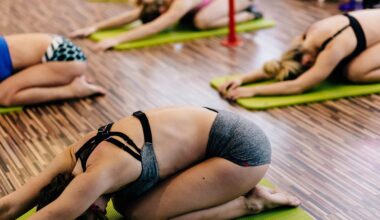
Structured classes focusing on balance training should ideally be tailored to the needs and abilities of Parkinson’s patients. Seek classes led by instructors experienced in working with this population; they understand the unique challenges involved. Participating in classes provides an environment to learn and practice essential skills under supervision. These environments can foster a sense of community and provide an avenue for support. Whether at a gym, community center, or suitable online platform, quality instruction is vital. Balance classes usually incorporate elements of strength, flexibility, and coordination. This combined approach addresses not just balance but overall physical health. Various programs also utilize equipment like mats, balls, or bands to enhance the training experience. It’s also important for instructors to modify exercises based on individual needs and progress levels. Supplementing formal classes with home practice ensures improvements. Keeping a regular schedule adds structure and consistency. Tracking progress can help individuals stay motivated and aware of their enhancements. With completion of each class, small successes can lead to significant improvements in confidence and independence while navigating through everyday challenges.
Safety Precautions During Balance Activities
Prioritizing safety during balance activities is fundamental for Parkinson’s patients to prevent accidents. Before starting any new exercise or balance program, always consult with a healthcare provider familiar with individual needs. They can provide personalized recommendations based on health status and physical ability. Always engage in activities in a secure environment, free from hazards like clutter or slippery surfaces. Start practicing in comfortable clothing and supportive footwear to allow for unrestricted movement. It’s advisable to have a sturdy chair or wall nearby to hold onto in case balance falters. Familiarizing oneself with surroundings enhances comfort and minimizes anxiety during sessions. Additionally, warm-up exercises will prepare the body, reducing injury risks while promoting better performance. Hydration is equally important; ensure fluids are available before starting any physical routines. Encourage family members or friends to join in for added supervision and motivation, creating a supportive atmosphere. Over time, gradually build on intensity and complexity of exercises as confidence grows. Remember, each individual’s journey is different, so listen to your body, respect its limits, and take breaks whenever necessary. Create a balance training regimen that embraces both safety and enjoyment.
Finally, it’s essential to reflect on progress and set achievable goals for balance training. Progress can manifest in various forms, from improved stability to reduced fear of falling, or even enhanced mobility. Regularly evaluating advancements can contribute to grounded motivation. Consider keeping a journal dedicated to recording experiences; this can serve as a positive visualization tool when it comes to seeing growth. Celebrating milestones, whether big or small, fosters a sense of achievement to encourage continued participation in balance activities. Also, sharing experiences with others—whether through support groups or family conversations—can enhance motivation by reinforcing communal bonds. Aim to create a routine rich with purpose and enjoyment; this matters immensely in keeping activities engaging. Explore community events that focus on movement or various forms of exercise. As social connections grow, so may confidence levels. Most importantly, understanding that challenges will arise is essential; perseverance matters. Together, through persistent efforts and support from both healthcare providers and loved ones, individuals can lead healthier, happier lives. The journey towards better balance is filled with opportunities to grow stronger and more capable.
To support caregivers or family members, it’s essential to offer guidance on how to assist their loved ones during balance activities. Understanding the struggles of Parkinson’s disease is imperative for providing effective support. Caregivers can engage by joining in practice sessions, offering encouragement, and providing a safe environment. Knowing when to step in for assistance or allowing independence is a delicate balance; this awareness fosters trust. Observing how balance practice affects the patient enables caregivers to learn which activities yield beneficial results and which require modifications. Foster communication to discuss progress and adapt methods together as needed. Participating in training sessions or workshops aimed at caregivers can provide valuable tools for support. Building a network of caregivers can also ensure that no one is alone in their journey. They can share their experiences, suggest resources, and encourage one another during challenging times. Every small contribution from a caregiver can significantly impact the patient’s overall success and morale. Through a collaborative approach, balance training can become a shared adventure, enriching not only the health of patients but also the lives of those supporting them.