
Simple Mindfulness Exercises to Reduce Stress
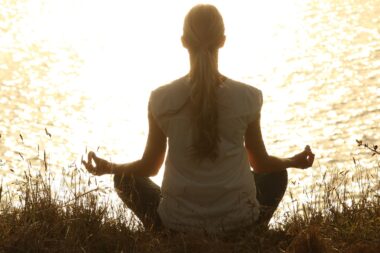
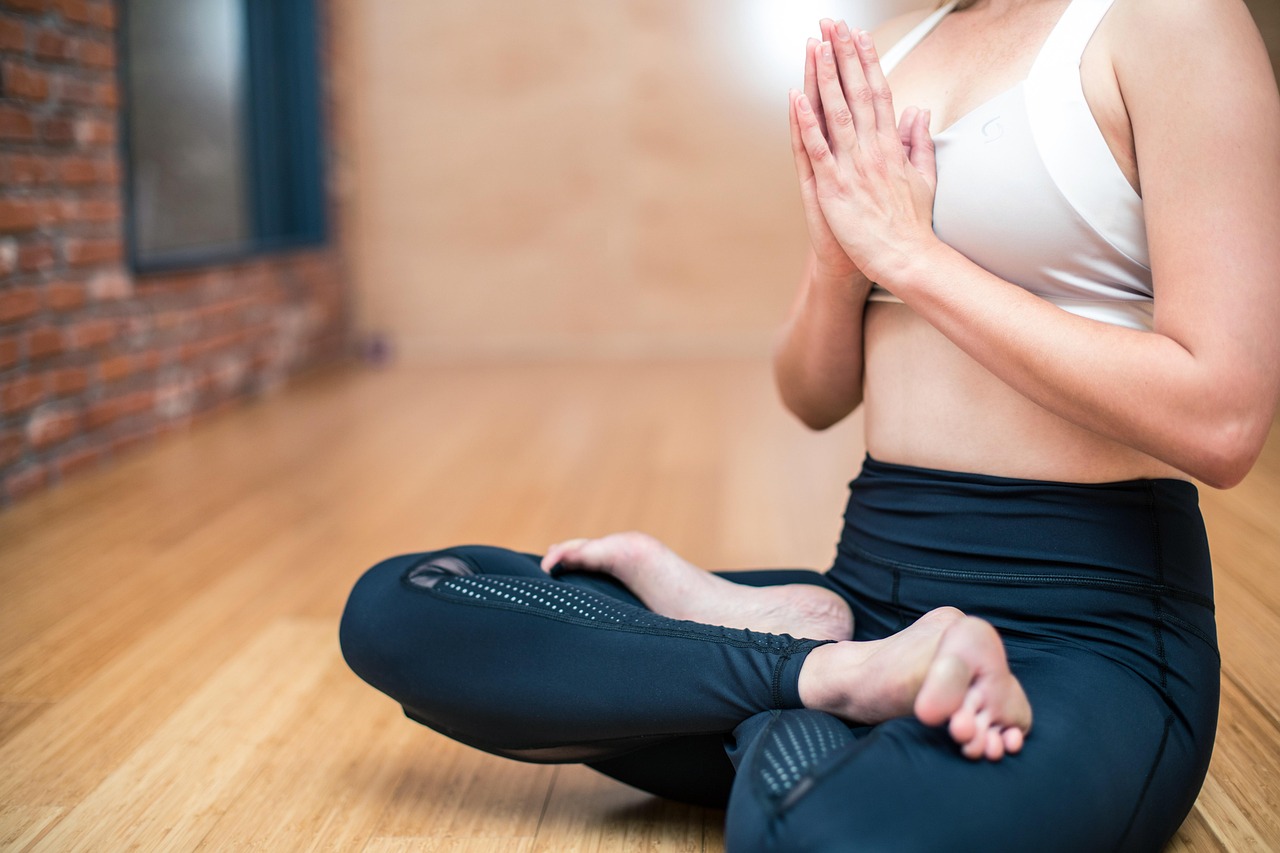
Mindfulness is a practice that helps individuals maintain a present-focus and heightened awareness of their surroundings. This simple yet powerful technique significantly helps reduce stress, promoting a feeling of clarity and tranquility. To begin, try a basic breathing exercise. Find a quiet place to sit or lie down comfortably. Close your eyes or soften your gaze. Take a deep breath in through your nose, feeling your abdomen expand. Hold it for a few seconds, then exhale slowly through your mouth. Repeat this process for a few minutes, focusing entirely on the rhythm of your breath. As thoughts arise, acknowledge them, then redirect your attention back to your breathing. This practice establishes a calming foundation for managing stress. Incorporating such exercises into a daily routine can yield remarkable mental benefits over time, providing essential tools for stress management. Make sure to carve out a specific time each day for your mindfulness practices, as consistency can enhance the effectiveness of these exercises. Whether it’s in the morning or before bedtime, determine when mindfulness fits best into your schedule.
Another beneficial mindfulness exercise involves body scanning, which enhances awareness of physical sensations. Find a comfortable position and close your eyes again. Start at your toes, paying attention to any sensations or feelings there. Gradually move your focus up through your feet, legs, torso, arms, and head. Notice areas of tension or relaxation without judging them, simply observing the sensations. This full-body awareness increases your connection to the present moment and helps to release tension built up in the body throughout the day. Maintain your breath throughout the scanning process, ensuring you breathe deeply and slowly. If your mind wanders, gently redirect it back to your body. After you finish scanning, relax and take a few more deep breaths before opening your eyes. This technique can be especially useful for individuals experiencing chronic stress or anxiety, as it fosters deep relaxation and promotes emotional stability. Integrating body scanning regularly into your routine will enhance your overall mindfulness journey and strengthen your ability to respond to stress in healthier ways.
Mindfulness Through Nature Connection
Connecting with nature can also be an excellent mindfulness exercise. Spending time outdoors allows you to fully engage your senses and immerse yourself in the present moment. Go for a walk in a nearby park, forest, or beach, and bring awareness to the sights, sounds, and smells around you. Feel the ground beneath your feet as you walk, notice the wind on your skin, or listen to the birds singing. This practice not only helps reduce stress but also cultivates gratitude for the beauty around you. When you notice the details, it becomes easier to let go of stressors and focus on the now. Remember, it’s important to turn off your phone or any other distractions during your time in nature, as this enhances the experience. Nature walks can be structured or informal, allowing for reflection or spontaneous exploration. Bring along a notebook to jot down thoughts or observations, reinforcing mindfulness through written expression. This profound connection with the environment serves as a rich foundation for stress relief and personal growth.
Another effective mindfulness approach involves mindful eating. By slowing down and engaging all your senses during meals, you can cultivate awareness and presence. Begin by choosing a meal or snack that you genuinely enjoy, free from distractions such as television or smartphones. Sit quietly, notice the colors and textures of your food, and take a moment to appreciate the flavors before eating. Take small bites, chewing slowly and focusing on each mouthful. Allow yourself to savor the food, noticing how it tastes, smells, and feels. This practice not only enhances the eating experience but also promotes healthier eating habits. By being present during meals, you’re more likely to listen to your hunger and fullness cues, reducing overeating and enhancing enjoyment. It’s essential to integrate this practice into your daily life. Consider setting aside specific meals each week for mindful eating until it becomes a habit. The awareness fostered through this exercise can enhance your relationship with food and provide an opportunity for deeper self-reflection regarding your eating patterns and choices, ultimately reducing stress surrounding meal times.
Mindfulness in Everyday Activities
Integrating mindfulness into everyday activities is another practical way to reduce stress. You can practice mindfulness while performing daily tasks, such as washing dishes, showering, or even brushing your teeth. Instead of rushing through these activities, focus on the sensations and experiences involved. For example, as you wash the dishes, notice the temperature of the water, the texture of the dishes, and the sounds of water flowing. Engage fully in the task by immersing yourself in the present moment, thereby transforming mundane chores into mindful practices. When you redirect your mind from distractions to the task at hand, you create a calming effect that reduces stress. This technique encourages a more fulfilling, less hurried life, ultimately leading to greater overall well-being. By regularly practicing mindfulness in daily tasks, you’ll cultivate a greater sense of gratitude and awareness, enriching your life significantly. Finding ways to incorporate these moments into your routine is key; this technique fosters motivation and positivity while allowing you to maintain control over your stress levels throughout the day.
A gratitude journaling practice can also significantly enhance mindfulness. Start by setting aside time each day to write about three things you’re grateful for or positive experiences from your day. Reflecting on these moments allows you to develop a more optimistic perspective and maintain a sense of presence in your daily life. Over time, gratitude can help shift your focus away from stressors and cultivate a deeper appreciation for life’s simple joys. Your journal doesn’t need to be elaborate; simply writing down your thoughts in a notebook or on your computer is sufficient. The act of writing itself becomes a mindful practice, fostering clarity and insight. Consistency is crucial; make it a daily habit to enhance long-term benefits. The benefits of gratitude journals extend beyond stress reduction—they can also improve overall mental health and contribute to a more balanced outlook. As you continue your journaling journey, you’ll likely notice a positive shift in your mood, outlook, and the way you handle challenges in life, further solidifying mindfulness’s importance in maintaining an enriching experience.
Checking In With Yourself
Regular self-check-ins are essential for cultivating mindfulness and reducing stress. Set a reminder throughout the day to pause and assess how you’re feeling mentally, physically, and emotionally. Ask yourself questions: Am I feeling stressed? What can I do to change this? This practice encourages self-awareness and self-compassion, facilitating a healthier relationship with your thoughts and feelings. When you pause during your day, giving yourself this moment of reflection, you develop a deeper understanding of your needs and desires. Schedule these check-ins, considering factors such as your mood and energy levels. Using breathing techniques or visualization exercises during these moments can enhance the effects. Having a personal mantra to recite at this time can remind you of your goals and reinforce a positive mindset. Make checking in a regular aspect of your routine, as it fosters emotional regulation and enhances your ability to handle stress. This simple exercise is a powerful way to encourage mindfulness, fostering resilience and emotional well-being.
Lastly, joining a mindfulness community, either in-person or online, can support your journey toward reducing stress through mindfulness. Engaging with others can provide motivation, insights, and shared experiences that make the practice even more meaningful. Look for local workshops, classes, or an online group focused on mindfulness and meditation. Participating in guided sessions or sharing experiences with like-minded individuals fosters a sense of connection that can positively impact mental health. Support systems are crucial to maintaining motivation and accountability, especially when starting your mindfulness practice. Such communities often share accommodations and resources, enriching your knowledge and understanding of mindfulness. Online resources like blogs, podcasts, and virtual workshops can also serve as valuable tools. Remember, creating connections with others enhances the personal journey of self-discovery. Whenever you feel overwhelmed, knowing you’re backed by a community can significantly alleviate stress. Engage with others who share common goals, and together cultivate mindfulness practices that work for you both.