
Prehabilitation Exercises to Avoid Sports Injuries
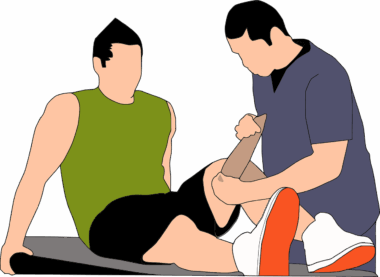
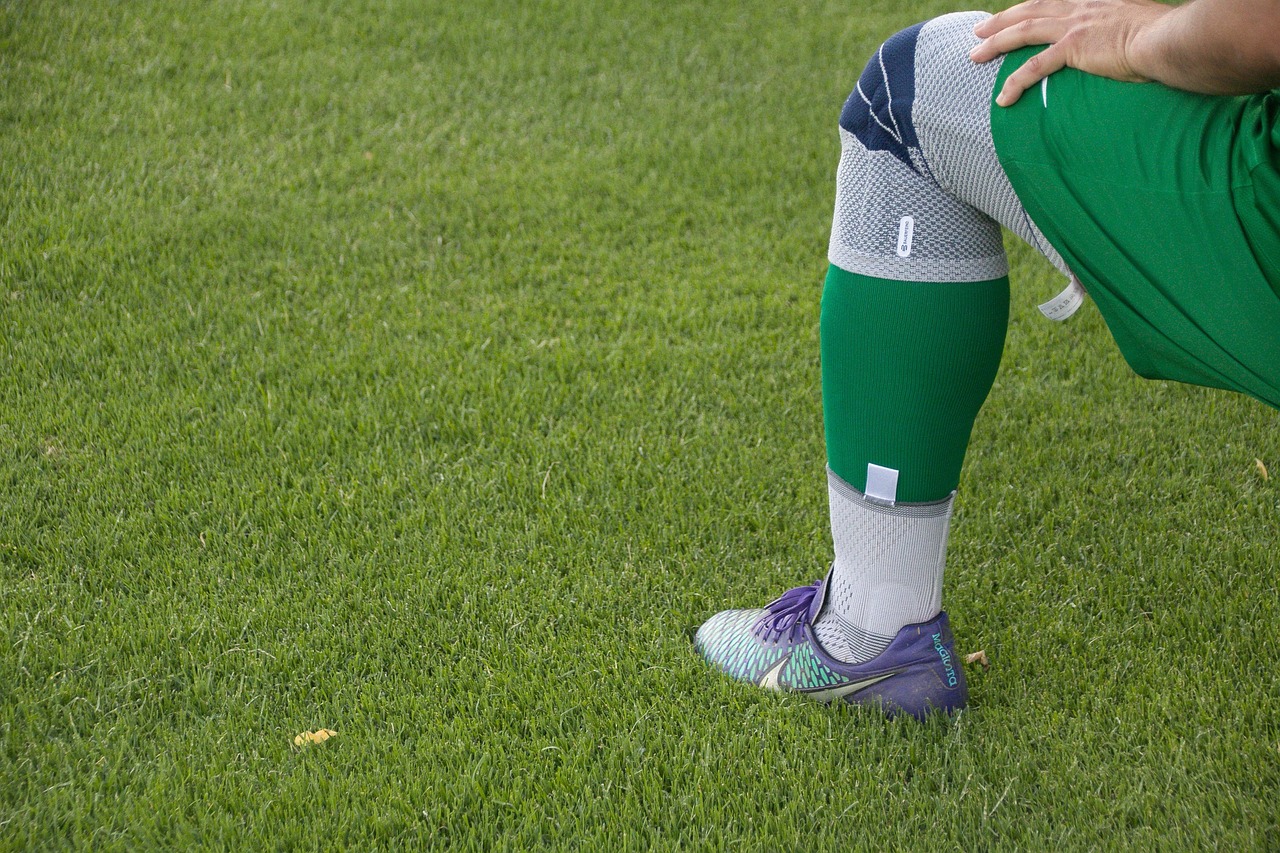
Prehabilitation is the practice of conditioning the body before injuries occur, focusing on strength, flexibility, and balance. Sports injuries can halt performance, so prevention is vital. Focusing on specific prehabilitation exercises helps athletes reduce injury risks. Strength training is essential and should be combined with flexibility workouts tailored to the athlete’s sport. Incorporating dynamic warm-ups, resistance bands, and bodyweight exercises further enhances effectiveness. The goal is to strengthen muscles, ligaments, and tendons to withstand physical demands and build resilience. Proper recovery strategies, including cool-down stretches and foam roller techniques, contribute to overall fitness and injury prevention. Athletes shouldn’t neglect their core; exercises like planks and bridges support balance and stability. Shoes with appropriate support also play a role. Anyone engaging in intense physical activity must ensure proper stretching techniques and pre-game warm-up routines. Regular consultation with trainers or doctors helps monitor progression and adapt exercises. Such strategies include monitoring form and adjusting workloads, helping individuals manage their activities and prevent injuries during challenging training sessions. Ultimately, prehabilitation represents an athlete’s commitment to their sport and long-term health.
Motor control and functional exercises serve as a foundation in prehabilitation training. These exercises enhance coordination, ensuring that the body moves correctly under stress. Balance training improves proprioception, helping the body adjust during dynamic movements common in sports. Utilizing tools like wobble boards or balance pads can challenge stability, creating a more adaptable athlete. Alongside these exercises, implementing agility drills prepares athletes for quick changes in direction. Incorporate cone drills, ladder drills, and hurdles to boost coordination and reaction times. Consistency in practice will foster muscle memory that protects against injuries. Furthermore, tailored workouts can address specific risk factors unique to each athlete’s sport. For instance, runners may benefit from hip mobility exercises that prepare them for repetitive motion. Similarly, swimmers should engage in shoulder stability routines to prevent overuse injuries. By rotating exercises and varying intensities, athletes can sustain engagement while achieving progressive overload. Seeking feedback from health professionals ensures technique accuracy and effective workout design. Additionally, athletes can leverage technology, such as video analysis, to refine mechanics, highlighting areas for improvement. This cycle of adaptation and progression is critical for injury prevention.
Importance of Strengthening Muscles
One of the primary objectives of prehabilitation is to strengthen muscles efficiently. Targeted strength training not only prevents injuries but also improves performance. Fostering muscle strength contributes to better body mechanics, which reduces the likelihood of strains and sprains. Exercises such as squats, lunges, and deadlifts support lower body strength. Through these exercises, athletes can build endurance and robustness in their muscles, helping to absorb impact and daily wear and tear. Upper body strength is equally important; therefore, exercises like push-ups and pull-ups should not be overlooked. Strong muscles support joints and ensure proper function during physical activity. Additionally, it is essential to integrate functional strength movements that mimic specific sports actions. Movements focused on heavy lifting, rotation, and explosive power offer benefit during athletic performance. Changing settings, like performing weightlifting exercises on unstable surfaces, adds an extra challenge. Muscle endurance training lasts longer during sports competitions and enhances overall stamina. The results from strength training can be monitored, helping athletes see their progress over time. This motivation assists them in maintaining consistent training schedules, reinforcing the positive cycle of improved performance while minimizing injury risk.
Flexibility training also plays a crucial role in prehabilitation. Enhancing flexibility promotes muscle elasticity, allowing for safer ranges of motion. Stretching helps athletes maintain or improve their flexibility, reducing tightness that often leads to injuries. It should be a core component of warm-up routines or performed during cooldowns. Incorporating both static and dynamic stretches provides a comprehensive flexibility approach. Dynamic stretching increases blood flow and prepares muscles for performance, while static stretching encourages muscle relaxation. Key muscle groups to focus on include the hamstrings, quadriceps, and hip flexors, among others. Yoga and Pilates are excellent for improving flexibility, balance, and core strength. Athletes can include these practices in their training schedules for physical and mental relaxation. Additionally, foam rolling effectively increases blood flow and flexibility in muscles and connective tissues. It loosens knots that may cause discomfort or decreased performance. Regular flexibility routines can build long-lasting resilience in athletes. Flexibility training improves posture and decreases the risk of injuries, such as muscle strains or ligament tears. Understanding individual limits is critical. Athletes must listen to their bodies to avoid overstretching, which may lead to more harm than good.
Balance and Coordination
Developing balance and coordination through prehabilitation exercises significantly lowers injury risk. Often overlooked, these elements are critical, especially in sports requiring high levels of agility, like basketball and soccer. Incorporating exercises that challenge the body’s stability trains muscles to respond correctly during unexpected physical demands. Activities like single-leg stands, tandem walks, and stability ball exercises develop balance. Utilizing various surfaces, such as balance boards, can simulate the demands of different sports environments. Coordination and agility drills, such as shuttle runs and carioca, support athletes in making swift and controlled movements. These exercises help position bodies accurately during dynamic play. Incorporating games or competitions into training fosters engagement while improving these skills. Team training exercises can enhance camaraderie and motivation while focusing on individual needs. Additionally, athletes should incorporate proprioceptive exercises, like balancing on one foot with eyes closed, to challenge the body further. The goal is to build a strong base that aids performance. It is vital to progressively increase difficulty and variability to maximize adaptations. Consistent practice and continual progression lead to improvements that impact performance while safeguarding against injuries.
Injury screening is an essential component of a successful prehabilitation program. Identifying personal injury risks can tailor exercises to individual needs, reducing future injuries. Therefore, regular consultations with medical professionals provide insights into potential weaknesses, inform training routines, and monitor progress over time. These insights lead to personalized prehabilitation strategies ensuring that the athlete is adequately prepared for demands faced. Understanding one’s body mechanics—addressing previous injuries, muscle imbalances, or specific sport requirements—informs necessary adjustments. Innovative testing methods, such as functional movement screenings, equip trainers with data to analyze movement patterns, revealing potential risk areas. Incorporation of education on body awareness and prevention strategies can significantly contribute to injury prevention efforts. Athletes must be encouraged to adopt proactive behavior regarding their health. Monitoring how their body responds to varied training intensities allows athletes to communicate effectively with coaching staff. Fitness journals tracking workouts, feelings, and any discomfort can provide valuable data over time. In conclusion, injury screening, combined with continuous evaluation, builds a comprehensive prehabilitation routine, assisting athletes in maintaining health, performance, and longevity in their respective sports pursuits.
Conclusion
In summary, prehabilitation exercises provide essential strategies in preventing sports injuries. These focused routines combine strength, flexibility, stability, and balance components to create a robust athlete. By implementing direct training protocols targeting the areas needing improvement, athletes can minimize injury risk while maximizing performance potential. Continued education about the body’s movements and functions is critical in developing a lifelong commitment to health and fitness. Participating in various training regimens helps athletes overcome limits, adapt to physical challenges, and grow resilient. As athletes begin to recognize the significance of prioritizing prehabilitation, they will likely see positive outcomes reflected in their performance, motivation, and health. Establishing a routine that emphasizes injury prevention ultimately fosters long-term success in sports. Encouraging active communication with trainers and healthcare professionals only enhances these injuries’ preventative aspects. This proactive approach helps adapt workouts and build resilience. Above all, athletes should emphasize their physical well-being for continued enjoyment of their chosen sports. In conclusion, anyone, regardless of their fitness level, can benefit from integrating prehabilitation exercises into their training schedules. The key to thriving as an athlete lies within a proactive mindset in safeguarding against injuries.