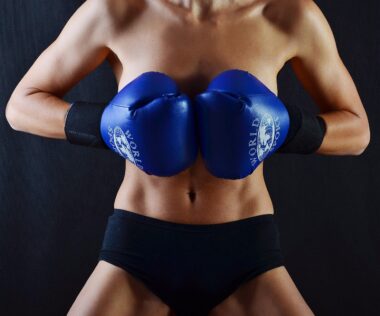

Maintaining Leather vs Synthetic Kickboxing Equipment
Maintaining kickboxing equipment is crucial for training efficiency and safety. Leather and synthetic materials differ significantly in care requirements. Leather equipment, while durable and typically more expensive, requires consistent upkeep. Regular cleaning with a damp cloth will prevent dirt buildup and preserve its quality. Be cautious with cleaning products; use ones specifically designed for leather to avoid damage. It’s essential to condition leather regularly, preventing it from becoming dry and cracked. A leather conditioner retains its suppleness and extends its lifespan. Inspecting for wear and tear is vital; repairs should happen immediately to avoid further damage. In contrast, synthetic materials are often easier to maintain and less expensive. Cleaning can usually be done with mild soap and water. Drying should be thorough but not direct sunlight, which can warp the material. However, synthetic gear can wear out faster puncturing and tearing. Consider the use case when choosing gear; heavy use might call for durable leather, while casual training might benefit from synthetic for its lightweight nature. Ultimately, both materials offer unique benefits and drawbacks that every kickboxer should consider in their training toolkit.
Each type of kickboxing equipment demands routine inspections. This is essential for ensuring safety and optimal performance during training. In the case of leather items, pay attention to the seams, which can wear due to intense usage. Maintaining the padding within your bag gloves is equally important; adequate padding protects your hands and joints from injury. For synthetic equipment, inspect for any signs of peeling or cracking. This could denote that the material is nearing the end of its usable life. Address such issues promptly as they can lead to more severe injuries. Both leather and synthetic equipment benefit from being stored properly. For leather items, moisture can be detrimental. Keep them in a cool, dry place to prevent mold and mildew. Conversely, synthetic items can be prone to fumes and heat exposure over time, which might degrade material integrity. To prolong the life of both, investing in bags or containers for extra protection is recommended. Ultimately, practicing these maintenance tips will lead to longer-lasting equipment, ensuring that every kickboxer can train effectively and minimize the risk of injury or equipment failure.
Comparing Durability and Cost
When considering durability and cost, leather and synthetic kickboxing equipment present unique trade-offs. Leather is often viewed as the premium choice due to its long-lasting properties and ability to mold to the user over time. This personalized fit can make training more comfortable and improve performance. However, the initial investment for leather can be significantly higher than synthetic options. This may discourage beginners or those on a budget from making such an expense, but the longevity of leather often justifies the higher upfront costs. On the other hand, synthetic materials provide an affordable alternative that can still perform well in training. They tend to be lightweight and more versatile in various conditions. Nevertheless, they might require more frequent replacements, ultimately negating some cost benefits over time. Knowing your training frequency and level can influence the decision-making process. For intense training regimens, investing in leather might pay off, while casual practitioners often find synthetic options adequately serve their needs. Balancing these factors is key to making informed choices that suit one’s style, level, and training requirements. It’s important to evaluate all these factors prior to making a purchase.
In regards to cleaning methods, leather and synthetic gear require different approaches. Leather equipment necessitates specific types of cleaners that are gentle yet effective. Harsh chemicals can strip the natural oils from the leather, resulting in cracks and an early end to its usability. On the contrary, synthetic gear can typically handle a wider variety of cleaning agents, making maintenance simpler for users. However, excessive use of harsh cleaners can still degrade synthetic materials over time. Using warm, soapy water can be effective without risking damage. Additionally, paying attention to storage for both types is critical. Leather should be kept out of direct sunlight and excessive heat to avoid drying out and breaking down. Synthetic equipment should also be protected from extreme conditions that might warp or weaken the material. Regular inspections should include checking for loose stitching, damaged areas, and retaining padding integrity. Maintaining both types of gear isn’t just about cleanliness; it’s also about preserving shape, functionality, and safety during training. A focus on proper care ensures both types of kickboxing equipment can be relied upon during practice sessions and competitions.
Choosing the Right Equipment
Choosing the right kickboxing equipment depends on personal preferences as well as training intensity. Beginners may wish to start with less expensive synthetic gear to assess their ongoing commitment to the sport. This allows new practitioners to invest wisely without drastic financial fallout should they decide to discontinue their training. However, as skills develop, many prefer upgrading to leather equipment that provides superior durability and fit. An informed decision can significantly affect the overall training experience and safety. It’s also essential to determine if the equipment aligns with specific training goals and types. For example, sparring gear may require different features and materials compared to punching bags or protective gear. As fighters progress, they might focus on gear that enhances protective qualities, fitting snugly without impeding mobility. Researching brands and their reputations regarding durability and user feedback can guide buyers as well. When investing in kickboxing equipment, prioritizing quality over cost can lead to better long-term satisfaction. Ensure that the equipment chosen fosters not merely protection but also encourages effective training practices for future growth.
Maintenance is an ongoing process essential for all kickboxing gear. Whether choosing leather or synthetic equipment, commitment to care routines is fundamental. Regularly checking for accumulated moisture helps prevent odor and mildew, especially in leather items. Conditioning leather should become a part of the routine, and securing adequate storage will minimize wear. On the other hand, synthetic materials often don’t require conditioning but benefit from being air-dried properly after cleaning. Always ensure that your gear is completely dry before storing it. Investing in proper storage units to separate equipment can also help prevent accidental damage. Storing gear in dedicated bags or lockers not only extends its life but also keeps training areas tidy. Considerations like location and environment can also play a role in how equipment is maintained. For martial artists training in humid climates, added vigilance is necessary against mold and degradation. Ultimately, maintaining kickboxing equipment effectively means committing to a routine that includes cleaning, inspecting, and caring for both leather and synthetic items. This commitment ensures safety, durability, and optimal performance throughout training sessions.
Final Thoughts on Equipment Care
In conclusion, maintaining leather versus synthetic kickboxing equipment involves understanding the unique requirements of each. The initial investment in high-quality leather options can pay off due to their enhanced durability and comfort, but diligent care is paramount for longevity. Similarly, synthetic gear, while budget-friendly, requires mindful cleaning and a focus on storage to increase its lifespan. Being proactive, checking for signs of wear, and storing equipment correctly are universal maintenance tips that bolster the lifespan of both types. By investing time and effort into equipment upkeep, kickboxers can ensure their gear remains effective and safe during rigorous training. It is paramount to recognize that both material types have their pros and cons, influencing not just performance but the overall training experience. Finding the right balance between cost, durability, and personal preference can guide choices in the world of kickboxing equipment. Ultimately, select gear that complements your training goals, taking care to maintain it properly, will enhance performance, safety, and enjoyment in the sport. The right gear makes all the difference in training and achieving success.
For visual enthusiasts, images illustrating proper maintenance techniques can enhance understanding and prevent mistakes. High-resolution photos or diagrams showing cleaning processes, proper storage methods, and comparing both material types would be beneficial. A well-designed infographic that summarizes equipment care tips can prove particularly useful. Such resources may serve as quick references for fighters, improving knowledge retention. Similarly, videos demonstrating the maintenance processes can further engage users and elaborate on complex methods that written guides may miss. Whether through YouTube channels or dedicated martial arts networks, visual learners stand to gain significantly from multimedia resources. Sharing personal experiences and tips in community forums or social media can promote different methods of caring for equipment. Fellow kickboxers may provide fresh perspectives that traditional resources overlook. Continuing education about equipment maintenance fosters a culture of care and respect for gear, ultimately enhancing training environments. Kickboxers are encouraged to seek out various material forms and maintenance practices, culminating in well-rounded knowledge that promotes consistent training. Committed athletes can lead to a safer and more productive training atmosphere, whether in gyms or at home, making ongoing education essential.