
Importance of Hydration in Women’s Fitness Programs
Hydration is a critical component of overall health and wellness, particularly for women engaged in fitness programs. Many women underestimate their hydration needs, which can affect performance and recovery. Staying well-hydrated supports essential bodily functions, including regulating temperature, lubricating joints, and transporting nutrients. During physical activity, women lose fluid through sweat, and it’s vital to replenish that loss promptly. Dehydration can lead to fatigue, muscle cramps, and decreased coordination, which may hinder workout intensity and enjoyment. Maintaining optimal hydration enhances endurance, strength, and mental focus, all crucial elements in a successful fitness journey. The unique physiological aspects of women, including hormonal cycles, further necessitate a tailored approach to hydration. Additionally, women may have different hydration needs than men, requiring them to pay closer attention to their fluid intake. Incorporating hydration strategies into fitness routines can maximize results and promote long-term health. Taking proactive measures to ensure adequate intake will help women achieve their fitness goals. In summary, hydration is not merely an afterthought but a fundamental aspect of fitness that warrants attention from all women interested in living an active, healthy lifestyle.
Women must recognize the signs of dehydration to address hydration effectively. Symptoms include thirst, dry mouth, reduced urine output, and headaches. Regular check-ins with one’s hydration status can help to preempt any negative effects of insufficient fluid intake. A good practice is to monitor urine color as an informal gauge of hydration. For optimal performance, women should drink water before, during, and after exercise. Consider integrating sports drinks that contain electrolytes, especially during longer workouts or in hot weather. These drinks can replenish lost nutrients, especially sodium and potassium, which are vital for muscle function. Timing also plays an essential role, as women should aim to drink fluids consistently throughout the day. Setting reminders can cultivate a habit of regular intake, aiding both hydration and workout performance. Keeping a water bottle on hand can encourage increased consumption and serve as a visual reminder. Another strategy is to include hydrating foods in meals, such as fruits and vegetables. By being proactive about hydration, women can enhance their overall fitness experiences, making workouts more productive and enjoyable.
Hydration Guidelines for Active Women
Establishing effective hydration guidelines can empower women to take charge of their fitness. While individual hydration needs vary based on factors such as weight, age, and activity level, general recommendations can serve as a useful starting point. One suggested guideline is to drink at least half of one’s body weight in ounces of water daily. This can be modified based on exercise intensity, duration, and environmental conditions. For example, during rigorous workouts or in warmer climates, the need for hydration increases significantly. Women engaged in high-impact activities should aim to consume additional fluids before, during, and after workouts. Sipping water regularly rather than consuming large quantities at once can enhance absorption and reduce the risk of discomfort. Tracking fluid intake can help women stay on target with their hydration goals. Many smartphone apps are available to assist with this process. Additionally, personalized hydration strategies tailored to individual lifestyles can foster a greater sense of awareness toward fluid consumption. By adopting a mindful approach to hydration, women can support their fitness endeavors and overall well-being. Consistency is key for lasting hydration habits.
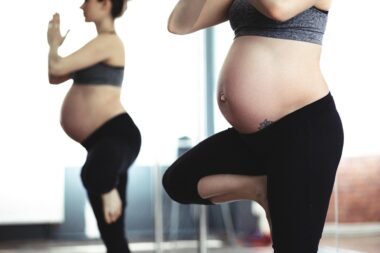
Women’s health intersects with hydration in numerous ways, particularly concerning conditions like pregnancy and menstruation. Pregnant women have heightened hydration needs due to increased blood volume and amniotic fluid. Staying well-hydrated can also help to alleviate common discomforts like swelling and fatigue during pregnancy. Understanding hydration’s role during certain life stages, such as menopause, is equally important. Hormonal changes can affect fluid balance, leading to symptoms that may be aggravated by dehydration. Ensuring adequate hydration may help to manage these symptoms effectively. Moreover, hydration can influence mood and cognitive function, making it essential for women balancing multiple responsibilities. The intricate relationship between hydration and women’s overall wellness emphasizes the importance of ongoing education and awareness. Accessing reliable resources about hydration and women’s health can empower women to make informed choices. Collaboration with healthcare professionals, such as nutritionists or fitness trainers, can further enhance hydration strategies tailored to each woman’s unique needs, ultimately improving fitness outcomes. In essence, prioritizing hydration is a simple yet effective way for women to meet personal wellness goals.
Hydration and Fitness Performance
Optimal hydration directly correlates with fitness performance, making it a focal point in women’s exercise routines. Insufficient hydration can lead to decreased endurance, impaired strength, and poor overall performance. Studies indicate that even a 1-2% loss in body weight due to fluids can significantly impact physical ability and recovery rates. This is particularly true for women engaged in high-intensity workouts or endurance sports. Understanding one’s individual hydration needs and the influence of environmental factors is crucial for maximizing performance. For instance, exercising in high temperatures or humid conditions elevates water requirements, necessitating pre-emptive hydration strategies. Pre-hydrating before workouts can set the stage for success during physical activity. In addition to enhancing performance, proper hydration supports quicker recovery post-exercise, allowing women to maintain consistency in training. Post-workout hydration should be prioritized, with recommendations including water or recovery drinks that include electrolytes. As hydration levels improve, so too does recovery speed, muscle repair, and overall fitness gains. Incorporating hydration routines into training programs can help women achieve their fitness aspirations in a more effective, sustainable manner.
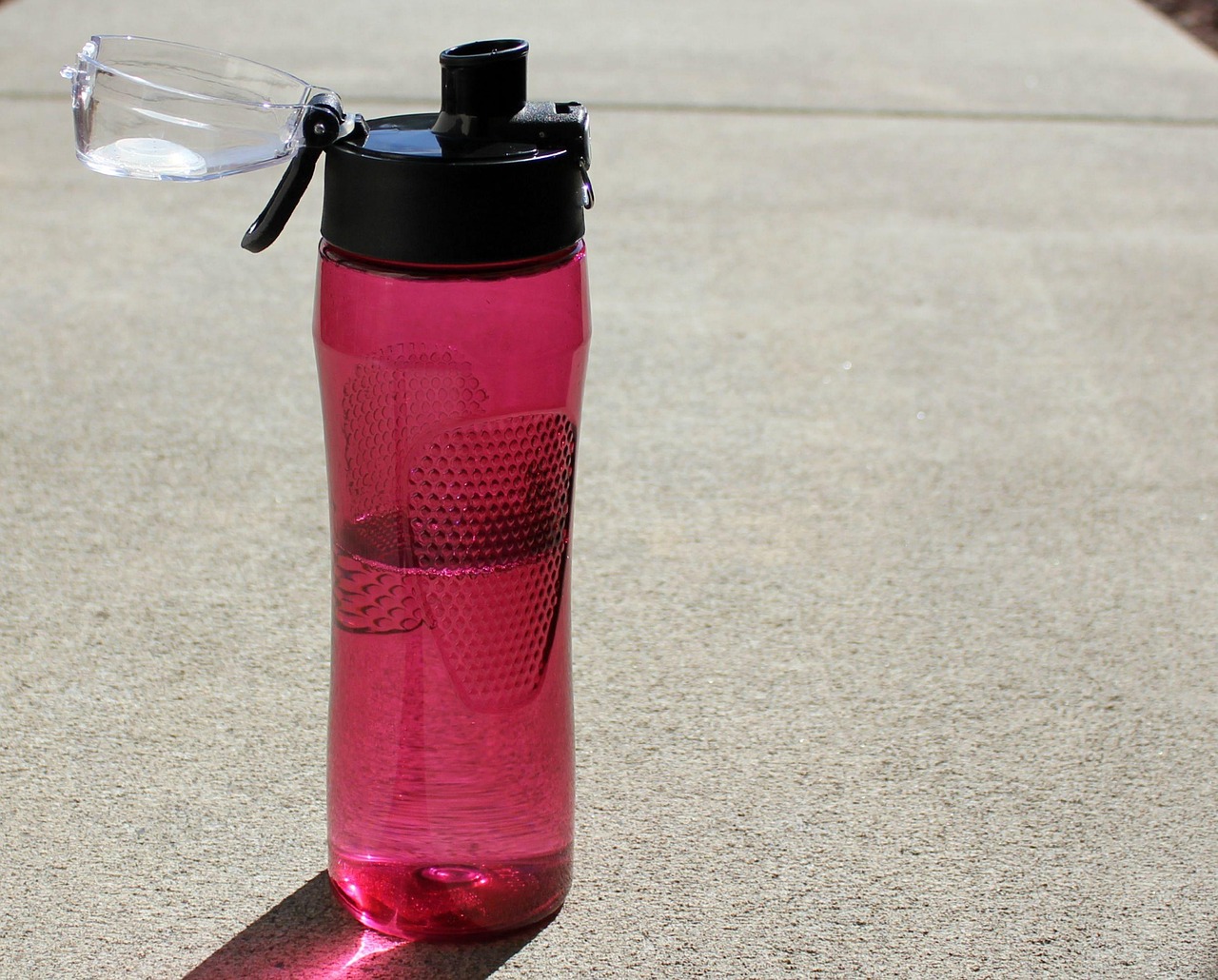
Women can easily incorporate hydration into their fitness programs by leveraging simple strategies. For example, establishing a hydration schedule or incorporating hydration breaks into workouts can be effective. Using visual cues, such as a colorful water bottle, can make drinking water more engaging and remind women to stay hydrated throughout the day. Games and challenges can also encourage hydration, such as aiming for a specific number of glasses per day. Another approach is to pair water intake with specific activities, like drinking a glass before each meal or during exercise breaks. Monitoring hydration trends through tech products, like smart water bottles or wearable devices, can provide feedback on fluid intake. Being accountable to oneself and possibly to an exercise buddy can foster a supportive environment for maintaining hydration. Experimentation can also help women discover what type and amount of fluids work best for them. Keeping hydration interesting by trying herbal teas, infusing water with fruits or herbs, or consuming broths can add variety and enticement. Prioritizing hydration doesn’t have to be monotonous; individual creativity can enhance the experience and foster longevity in healthy habits.
Conclusion: Embracing Hydration
In conclusion, understanding the importance of hydration in women’s fitness programs is essential for achieving health and wellness goals. Prioritizing fluid intake not only promotes better physical performance but also impacts emotional and cognitive well-being. Dehydration can derail even the most diligent fitness routines, making awareness about individual hydration needs paramount. Women should actively implement tailored hydration strategies into their fitness regimens. From developing hydration schedules to recognizing personal signs of dehydration, these strategies can foster healthier habits. Education surrounding hydration and health should continue to evolve, empowering women through continued knowledge and awareness. Every woman’s hydration journey is unique, and identifying effective practices can significantly improve engagement in fitness programs. Support systems, including family, friends, or fitness communities, can foster accountability and creativity in establishing hydration routines. Women must embrace hydration as a fundamental aspect of their overall fitness strategy that enhances both the enjoyment and effectiveness of physical activity. Ultimately, hydration is a straightforward yet powerful tool for women seeking to enhance their health and well-being through fitness. With sustained attention to hydration, women can embark on a more rewarding fitness journey.
A well-hydrated woman is one empowered to meet her fitness goals and enjoy an active lifestyle. Investing time and effort into understanding hydration can pay major dividends in the long run, allowing women to foster healthier lives. Over time, as hydration becomes a consistent part of daily routines, the advantages will compound, contributing positively towards overall health and habit formation. Committing to regular hydration will facilitate reaching personal fitness milestones. Therefore, every woman should view hydration as a critical aspect of her fitness program and overall well-being.