
Exploring Different Types of BMX Bikes: Freestyle, Racing, and More
BMX riding is an exhilarating sport that combines skill, speed, and creativity. Riders utilize specially designed bikes for various styles, including freestyling, racing, and street riding. Choosing the right BMX bike is crucial to performance and pleasure. The best BMX bikes differ significantly based on riding style. Constructed with specific materials, designs, and features, each bike caters to individual preferences and abilities. In this article, we’ll explore different bike types, their features, and what makes them ideal for particular activities. Understanding these subtle yet impactful differences can enhance your BMX experience.
Freestyle BMX Bikes
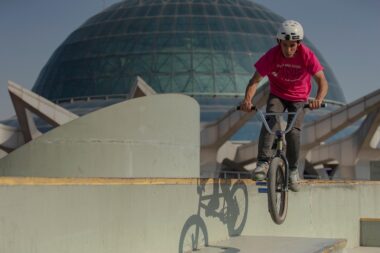
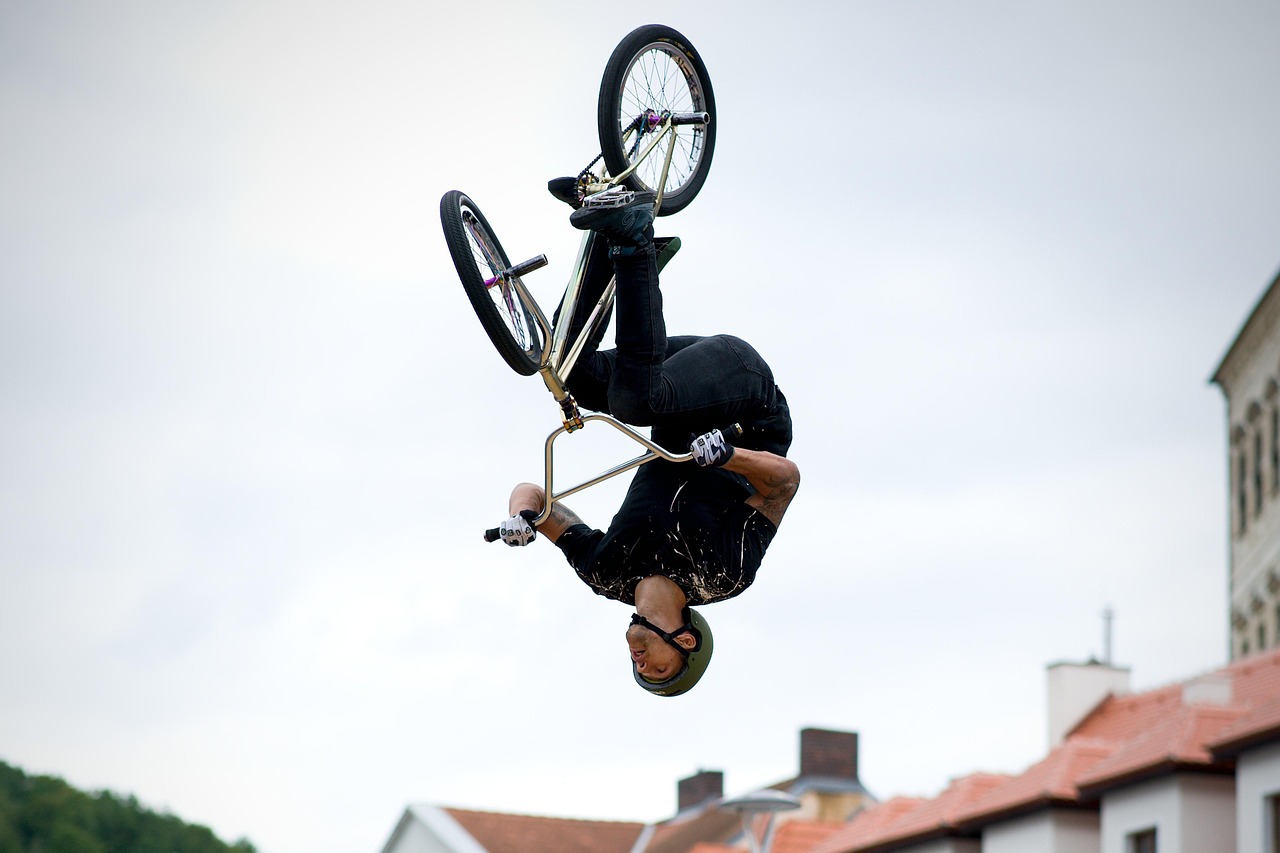
Freestyle BMX bikes are designed for tricks, stunts, and park riding. Typically, they feature a strong, lightweight frame to withstand rigorous use. Here are the major components to consider:
- Frame: They often use chromoly or high-tensile steel for resilience.
- Wheels: Generally 20 inches, optimized for quick maneuverability.
- Brakes: Many freestyle bikes come equipped with low-profile or no brakes for clean styling and fewer obstacles.
- Handlebars: Taller handlebars provide better control during tricks.
These bikes excel in skate parks and dirt jumps, providing riders the freedom to express creativity. Freestyle biking encourages experimentation, fostering a unique connection between the rider and bike.
Race BMX bikes are engineered for speed and competitive racing, focusing on aerodynamics and lightweight materials. Most racing bikes feature a narrow frame, ensuring minimal wind resistance. Key characteristics include:
- Frame: Constructed from lightweight aluminum or carbon fiber, providing superb speed.
- Wheels: Often 20 inches with wider tires for better grip.
- Seat: Usually low-profile and lightweight for optimal speed.
- Gearing: Equipped with a single-speed gear for simplicity and efficiency.
Riders of all ages and abilities can enjoy racing BMX, participating in local competitions or larger events. Racing emphasizes technical skill, as athletes navigate challenging tracks and compete against each other.
Street and Park BMX Bikes
Street and park BMX bikes are built for urban riding, focusing on durability and versatility. These bikes incorporate street elements for grinding and jumping, with robust components to handle rough surfaces. Some critical features include:
- Geometry: Optimized for stability during tricks, allowing for better handling on obstacles.
- Components: Reinforced pegs and durable tires are common for performing stunts.
- Adjustability: Many riders customize these bikes for personal preferences regarding ride height and style.
Street and park riding allows for creativity in urban environments, including navigating stairs, ledges, and rails. Riders can effortlessly blend technical skill and innovative maneuvers, captivating audiences everywhere.
When selecting the right BMX bike, one should consider personal preferences, budget, and riding style. Each style has strengths and weaknesses fundamentally shaping the riding experience, so careful consideration is essential. Budget-friendly options may be appealing but often compromise performance and durability. Enhanced features, such as weight and design, can provide significant advantages but come at a cost. Investing in a quality bike is prudent for aspiring athletes seeking to excel. It’s also vital to research and compare different brands, styles, and models before making a purchase. Cycling communities often provide insights and recommendations, helping you choose the perfect ride.
Maintenance and Care
No matter the type of BMX bike, regular maintenance ensures longevity and peak performance. Simple care practices can significantly extend the life of your bike. Basic maintenance tips include:
- Cleaning: Wipe down dirt and grime after each ride.
- Inspecting: Regularly check for loose bolts or damaged parts.
- Pneumatics: Keep tires inflated to the recommended pressure for optimal performance.
- Lubrication: Apply lubricant to chains and gears periodically.
Proper maintenance ensures that each component functions correctly, enhancing your riding experience. When each part operates efficiently, riders can perform at their best during every session.
Joining a BMX community can greatly enhance your experience and knowledge. Accessing local riding spots and connecting with fellow riders fosters a sense of camaraderie. Online forums and social media groups also serve as platforms for sharing knowledge, organizing rides, or discussing developments in BMX. Participating in these communities encourages learning from experienced riders while exploring new techniques. Events, competitions, and workshops provide unique opportunities to hone skills alongside like-minded individuals. Overall, being part of a BMX community can elevate the riding experience into a richer, more enjoyable passion.
Conclusion
Exploring the vast world of BMX riding opens up numerous opportunities for fitness, fun, and creativity. Different types of BMX bikes catered to various styles help riders transition smoothly between artistic expression and competitive racing. By understanding the distinct features of freestyle, racing, and other BMX types, enthusiasts can make informed choices tailored to their style and ability. Whether focusing on stunts at a park, racing down a track or cruising urban landscapes, investing in the right bike is paramount. Through dedication, community engagement, and consistent practice, riders can achieve their goals, pushing boundaries and enjoying all that BMX has to offer.