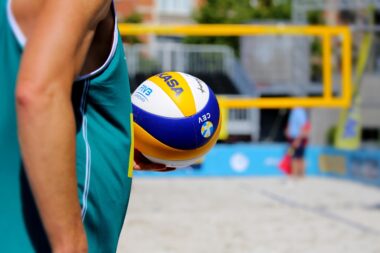

Training for Volleyball-Specific Speed and Agility
Developing speed and agility is crucial for volleyball players aiming to enhance their performance on the court. It’s important to create a training schedule that focuses on specific skills to execute volleyball-related movements. Effective training should incorporate various drills targeting acceleration, deceleration, and lateral movement. Players can benefit from integrating cone drills, ladder exercises, and plyometric jumps into their routines. Consistency is key, so be sure to dedicate time for this training at least three times per week. Starting with shorter sessions will help players adjust before gradually increasing intensity and duration. Specific exercises, like the shuttle run or T-drill, help improve lateral quickness, which is essential for covering the volleyball court. Furthermore, it’s vital to emphasize proper form and technique to reduce the risk of injuries. In addition to physical drills, focusing on mental speed and reaction time is equally important. Players can practice drills that require quick decision-making, such as recognizing patterns in the defense and reacting accordingly. Equipping oneself with these skills can significantly boost game-level performance during competitors.
Another effective method to improve speed and agility in volleyball is through resistance training. This may include using agility bands or weighted vests, which help athletes develop explosive power needed for jumps and sprints. Start slow by incorporating light resistance while ensuring control with each movement. The aim is to get comfortable with resistance before gradually increasing the weight. In addition, exercises focusing on bodyweight, such as squats and lunges, can be extremely beneficial as they develop core strength, necessary for overall stability during play. Implementing a variety of plyometric exercises, including box jumps and clap push-ups, can enhance muscle reaction time and explosiveness. A balanced regimen should combine strength, agility, and endurance drills to achieve optimal results. Recovery is also essential after high-intensity workouts. Players should consider stretching and using foam rollers to maintain flexibility and reduce soreness. Hydration and proper nutrition cannot be overlooked, as these factors contribute to overall performance. Players should aim to fuel their bodies effectively before and after training. Finally, tracking progress through various tests will enable athletes to identify areas of improvement and set specific goals for improvement.
Implementing Interval Training
Interval training is another effective strategy to enhance volleyball-specific speed and agility. This method involves alternating between high-intensity bursts and low-intensity recovery periods, optimally simulating the demands of a volleyball match. For example, performing sprints followed by brief rests can improve cardiovascular fitness and muscular endurance. Depending on your current fitness level, tailor the work-to-rest ratio to ensure maximizing benefits. As fitness improves, the intensity and duration of the high-intensity periods can be increased gradually. Include an array of movement patterns, such as backpedaling and lateral shuffles, to diversify the training effect. Additionally, during interval training sessions, focus on maintaining form regardless of fatigue. Consistent practice will contribute to muscle memory development, enabling smoother transitions during gameplay. Furthermore, consider incorporating sport-specific drills during intervals for real-game application. Drills such as approaching for a spike, serving in controlled bursts, or defensive slides can enhance both skill and agility. Ultimately, allowing sufficient time between interval training sessions will let muscles recover properly to prevent overtraining. Balance your routine to include days focused on technical skills to maintain a holistic development approach.
Agility drills play an important role in specifically targeting volleyball movements. Incorporating agility needs into training sessions can increase foot speed, coordination, and responsiveness under pressure. Start with basic drills, such as the ladder drill or cone weaving, ensuring each movement is sharp and contained. Progress onto more complex drills that incorporate real volleyball movements like quick pivots or jumping for a block. Engaging teammates in these drills can elevate intensity and create a competitive atmosphere that simulates game conditions. Practicing with a partner or coach can introduce variables, requiring players to adjust quickly to changing scenarios, much like live play. Additionally, functional movement patterns should be practiced regularly. These patterns mimic movements players frequently make on the court, enhancing muscle memory and ease of performance. Gradually increase the complexity of drills as athletes develop skills, aiming to include varied movements, speeds, and time constraints. As each drill is completed, focus on evaluating performance and areas to improve. By addressing weaknesses and building on strengths, players can work toward becoming more agile and faster, which is crucial in high-paced gameplay settings.
Nutrition for Speed and Agility
Nutrition is an essential aspect of training for speed and agility in volleyball, as proper fueling enables optimal performance. Players should focus on a balanced diet composed of carbohydrates, proteins, and healthy fats to sustain energy levels during intense training. Carbohydrates serve as the primary fuel source, while proteins help with muscle repair and recovery after workouts. Timing meals around workout sessions can further enhance energy. A pre-training snack high in carbohydrates should be consumed about 30 to 60 minutes beforehand, ensuring energy availability. Post-training, players should aim to consume a meal or snack containing protein and carbohydrates within 30 minutes to support muscle recovery. Alongside solid nutrition, hydration helps maintain performance levels throughout training sessions. Staying hydrated prevents fatigue and enhances focus. Athletes can monitor hydration levels by checking urine color or weight changes. It’s critical to remember that each athlete’s dietary needs may differ based on their body composition and activity levels. Consulting with a registered dietitian can greatly benefit personalized nutrition plans and reach specific training goals. Efficiency in recovery depends heavily on the nutrition choices made before and after workouts.
Finally, prioritizing rest and recovery days in a training regimen supports improved speed and agility performance. Overtraining can hinder progress and lead to fatigue or injuries. Players should include lighter training days filled with mobility work, yoga, or stretching routines, providing the body time to recuperate effectively. Additionally, getting sufficient sleep each night is linked to better muscle recovery and cognitive function. Scheduling adequate rest time helps repair muscle fibers and replenish energy stores depleted during high-intensity training. Athletes should be mindful of listening to their bodies’ signals and adjusting training loads accordingly. By seeking balance, players can optimize the benefits from their training sessions while fostering long-term athletic development. Incorporating recovery techniques, such as foam rolling or cryotherapy, can also help reduce muscle soreness. Regularly assessing one’s performance through testing or skill evaluation can facilitate understanding where recovery is needed the most. Overall, integrating speed and agility training with comprehensive recovery strategies ensures all aspects of physical readiness are addressed. Players who maintain proper care for their bodies can expect solid gains in performance come game time.
Conclusion
In conclusion, training for volleyball-specific speed and agility requires a multifaceted approach that includes dedicated skill practice, interval work, agility drills, nutrition, and recovery strategies. By incorporating these elements into their training regimen, volleyball players can expect noticeable improvement in their performance. As athletes continue to work towards refining their skills and incorporating agility training, they should remain patient and motivated, understanding that progress takes time. The key to maximizing speed and agility lies in consistency and adapting these principles to fit individual needs. Emphasizing proper technique throughout drills will not only enhance performance but also reduce the risk of injury. Building mental fortitude alongside physical capabilities will better prepare players for the rigors of competition. Furthermore, utilizing supportive coaches and experts in areas such as nutrition can provide valuable insights toward achieving specific goals. By proactively addressing areas that need improvement and consistently engaging in tailored practices, volleyball players can unveil their full potential on the court. Ultimately, those who embrace this comprehensive training approach are likely to see success in enhancing their speed, agility, and overall volleyball performance.
Embracing the diverse range of training techniques discussed in this article will yield significant benefits for athletes seeking to elevate their game. Speed and agility are critical attributes for an athlete competing in volleyball, as they contribute to effective gameplay and responsiveness. Practitioners should be encouraged to explore and adopt various drills tailored to their needs. Regularly reevaluating individual performance levels is crucial as well, as it allows athletes to set new challenges and goals. Incorporating enjoyment through competitive elements in training can serve as a motivational tool to sustain engagement over time. Coaches, trainers, and athletes should work collaboratively to ensure effective execution of desirable drills, aligning with team objectives and personal targets. Moreover, fostering a positive mindset and a growth-oriented attitude is paramount for any athlete looking to improve. Each training session represents an opportunity for progress, and remaining discerning about performance will aid the learning process. With dedication and commitment to training, coupled with a strategic focus on recovery and nutrition, volleyball players can achieve their desired level of performance on game days. Sportsmanship, teamwork, and continuous effort will undoubtedly lead to the eventual realization of their athletic goals.