
The Benefits of Aromatherapy for Post-Workout Muscle Soreness
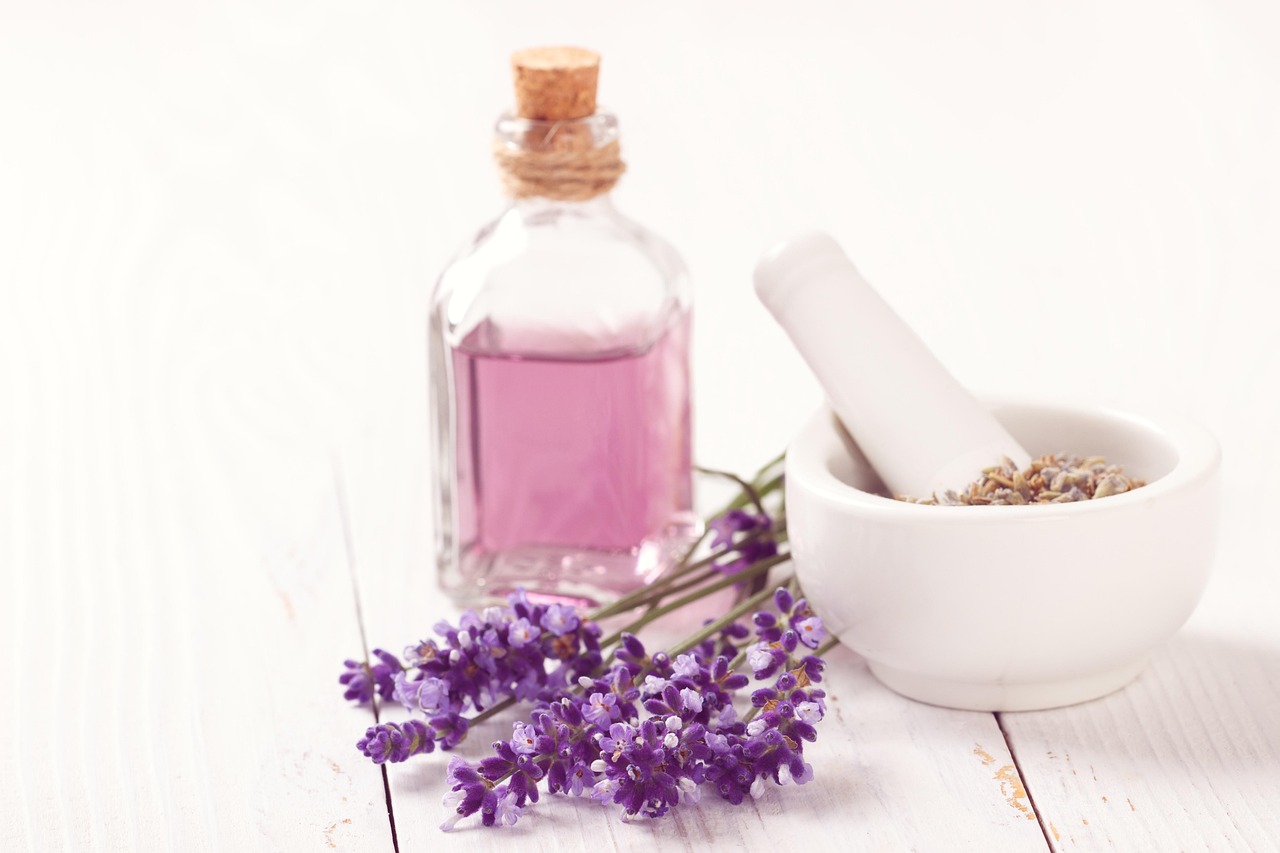
Aromatherapy has gained remarkable attention for its potential in alleviating post-workout muscle soreness. This holistic approach utilizes essential oils derived from various plants that not only enhance mood but also provide physical relief. The efficacy of aromatherapy lies in its ability to engage the olfactory senses, allowing the body to respond positively through enhanced relaxation and reduced anxiety. Through inhalation or topical application, essential oils like lavender, peppermint, and eucalyptus can be integrated into a post-exercise routine. Each oil boasts unique properties, contributing to pain relief and inflammation reduction. Lavender oil is particularly known for its calming effects, promoting deeper sleep and aiding recovery. Additionally, peppermint oil’s cooling sensation and anti-inflammatory properties are excellent for soothing sore muscles. Incorporating these oils into a warm bath or a massage can further amplify their benefits. Overall, exploring the realm of aromatherapy provides an excellent avenue for natural healing and recovery after intense workouts. It enhances mental well-being while simultaneously addressing physical discomfort, making it a dual-purpose solution for athletes and fitness enthusiasts alike.
Essential oils serve not only as soothing agents but also play a vital role in stimulating circulation. Improved blood flow is crucial for muscle recovery, particularly after strenuous workouts. Essential oils can increase blood circulation, enabling better nutrient delivery to the targeted areas, facilitating healing and reducing the time it takes to recover from muscle strains. Additionally, these oils can help in reducing swelling, which often accompanies exercise fatigue. While many athletes may rely on traditional remedies, aromatherapy offers a gentle and pleasant alternative without the potential side effects associated with pharmaceutical options. It’s a natural method that many find appealing, richer in sensory experiences than lotions or tablets. Furthermore, the simplicity of using essential oils makes them accessible for everyone; a few drops mixed with a carrier oil can create a delightful massage oil that benefits sore muscles significantly. DIY blends can also be prepared, tailoring the oils to each individual’s preferences and needs. This flexibility allows for a personal touch that enhances the overall experience, providing both comfort and effective relief from the discomfort that often follows intense physical activity.
Using Aromatherapy Oils Effectively
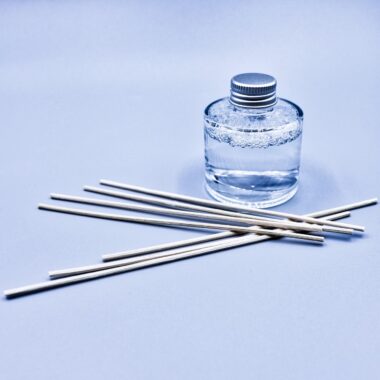
Integrating aromatherapy into a regular post-workout routine can be remarkably effective if done correctly. Before starting an aromatherapy session, it’s essential to create a relaxing environment, free from distractions. Lighting candles and playing soft music can enhance the overall atmosphere. When selecting essential oils, individuals should focus on their personal preferences and desired effects. For additional relaxation, oils derived from citrus fruits like lemon and orange can uplift the mood, combating feelings of fatigue. For physical relief, combining oils is beneficial; for example, mixing eucalyptus with lavender can create a well-rounded blend for both relaxation and pain relief. Conducting a patch test before applying a new oil mixture to the skin is essential, ensuring it doesn’t provoke any allergic reactions. Notably, it’s vital to choose high-quality essential oils to reap the best benefits. Diluting the oils properly in a carrier oil before application helps reduce skin irritation. Additionally, users can utilize diffusers to spread the scent throughout a space, letting the therapeutic properties work on multiple levels, offering both psychological and physical care.
Nutrition also plays an integral role in recovery. Complementary to aromatherapy, consuming nutrient-rich foods post-workout can enhance muscle healing. Incorporating protein and healthy fats aids muscle repair and growth. Nutritional supplements like omega-3 fatty acids found in fish can also help reduce inflammation, enhancing the overall effectiveness of aromatherapy practices. Moreover, hydration is crucial; drinking plenty of water after exercise aids in flushing out toxins and preventing muscle cramps. Combining nutrition with aromatherapy creates a holistic recovery routine. Many athletes report enhanced outcomes when utilizing a well-rounded approach, integrating physical, mental, and emotional treatments. Social support, including sharing recovery processes with peers, can also lift spirits and motivation. Pairing the sensory benefits of aromatherapy with supportive social networks creates a positive recovery experience. Practicing mindfulness through aromatherapy can enhance mental wellness, reducing anxiety related to post-exercise fatigue. Practitioners often find that greater attention to body sensations enhances their understanding of personal limits, reducing the likelihood of overexertion in future workouts. Hence, it is evident that aromatherapy intersects beautifully with nutritional practices in promoting optimal recovery times.
Choosing the Right Aromatherapy Products
When selecting aromatherapy products, it’s essential to consider quality and purity. Many products contain additives or synthetic fragrances that can negate the therapeutic benefits of essential oils. Therefore, individuals should opt for organic or therapeutic-grade oils whenever possible. Online reviews or recommendations from certified aromatherapists provide valuable insights into effective blends and products. Additionally, ensuring the storage of oils in dark glass bottles prevents degradation and prolongs shelf-life. Users should pay attention to the extraction method; cold-pressed or steam-distilled oils typically retain more beneficial properties than other methods. For massage treatments, finding a blend that soothes both body and mind creates a more enjoyable experience. It’s often beneficial to familiarize oneself with the different oil properties before making a selection to tailor the aromatherapy session effectively. Furthermore, attending workshops or courses about aromatherapy can lead to informed choices. Users can learn blending techniques or usage methods that best suit their individual needs. Investing time in research ensures a richer aromatherapy experience, ultimately leading to improved post-workout recovery.
Practicing mindfulness during aromatherapy enhances the overall benefits experienced from each session. Focusing on breathing, allowing the body to relax while inhaling essential oils can amplify the restorative properties. Meditation paired with aromatherapy can create a profound sense of well-being. Many individuals find that taking moments to center themselves mentally while using oils post-exercise enhances recovery outcomes. Moreover, being present in the moment cultivates a greater appreciation for the benefits of the oils used. Even the method of application can be considered a meditative experience when done mindfully. Adopting intentional movements during massage or applying essential oils can significantly influence relaxation levels and promote ease of tension in sore muscles. This mindfulness, paired with the chemical properties of the essential oils, works synergistically to foster an environment that supports healing. Learning to listen to how one’s body responds to aromatherapy can further refine practice and enhance outcomes over time. Paying close attention to any emotional or physical changes can help develop a personalized approach that maximizes the advantages of aromatherapy in a holistic recovery routine.
The Future of Aromatherapy in Fitness
As more fitness professionals explore the incorporation of aromatherapy, its popularity in wellness routines is likely to increase. The effectiveness of combining essential oils with typical recovery practices highlights the versatility of this holistic approach. Given the growing awareness of the drawbacks associated with artificial substances and their side effects, many athletes are gravitating toward more natural methods of recovery. Aromatherapy stands out as a unique practice that addresses both the physical and mental aspects of wellness. Wellness retreats and fitness centers may increasingly integrate aromatherapy sessions into their offerings, providing clients additional treatment options for recovery. Education regarding the benefits of aromatherapy can significantly bolster its adoption; fitness influencers and professionals often play influential roles in promoting alternative recovery methods. Social media has accelerated awareness around wellness trends, fostering community and dialogue that encourages open-mindedness toward practices like aromatherapy. Eventually, this may lead to more scientific studies validating the efficacy of essential oils in recovery, further establishing aromatherapy’s place in the fitness industry. As knowledge grows, enthusiasts will benefit from a comprehensive recovery experience that honors the mind-body connection.
In conclusion, the benefits of aromatherapy for post-workout muscle soreness extend far beyond simple relaxation. The combination of essential oils caters to both psychological and physical needs, offering multi-faceted support for recovery. Incorporating essential oils into a regular post-exercise regimen empowers individuals to take charge of their recovery process. This practice promotes active self-care while fostering a supportive environment conducive to healing. Aromatherapy’s integration into fitness is a testament to the growing recognition of holistic approaches in health and wellness. With ever-evolving knowledge and access to resources, individuals can customize their experiences, building routines that resonate with their personal goals and preferences. Experimenting with various oils can lead to discovering unique blends that specifically address individual concerns. The opportunity for creativity in essential oil use enhances the experience and fosters a sense of ownership over the recovery journey. As such, aromatherapy will continue to capture the interest of fitness enthusiasts seeking effective and natural alternatives that focus on the mind-body connection. In doing so, the joy of physical activity can resurface, along with the drive to embrace a healthier lifestyle.