
Drills for Improving Ball Toss Consistency in Float Serve
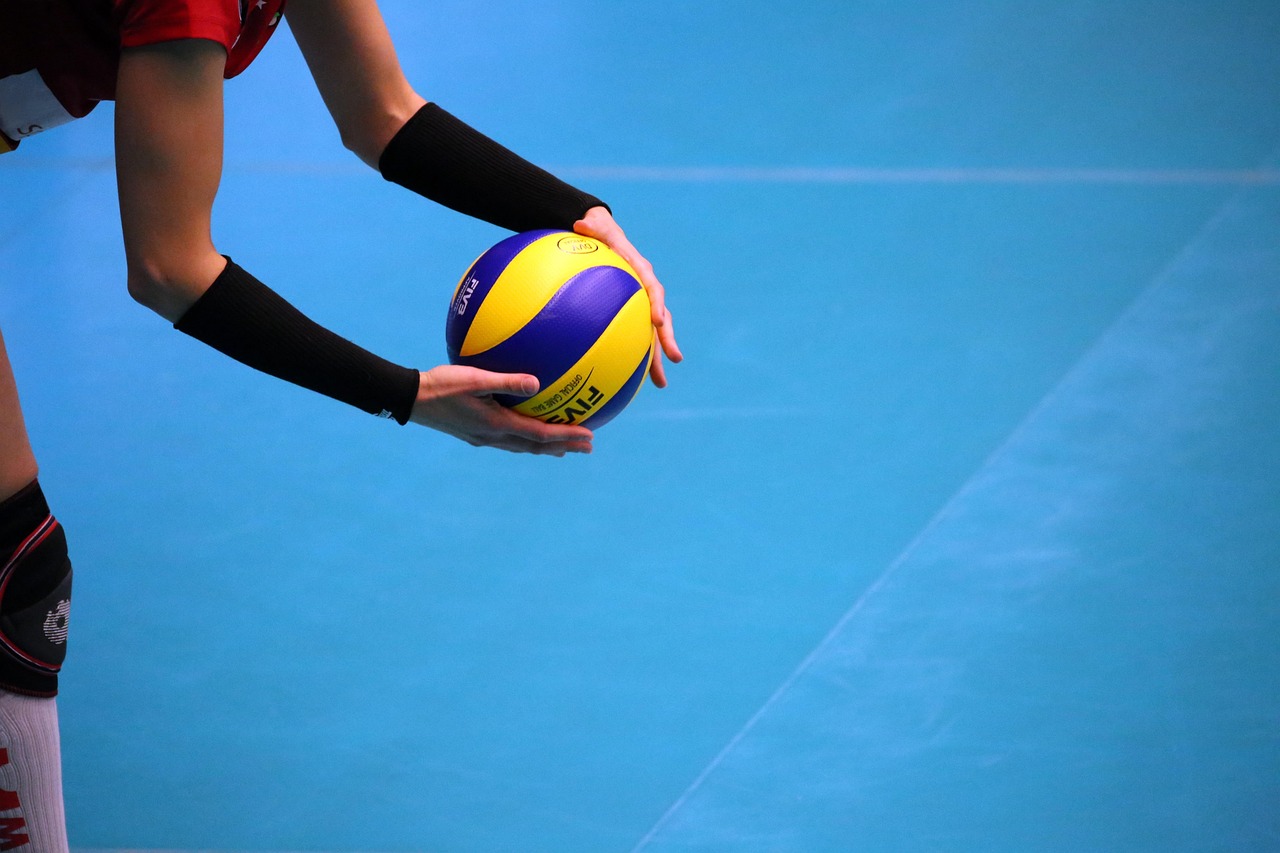
Ball toss consistency is crucial for mastering the float serve in volleyball. Effective float serves rely on a stable and accurate toss, as it impacts the serve’s trajectory and speed. One effective drill to enhance this skill is the “Toss and Catch” drill. Players should stand in the serving area while tossing the ball high into the air, trying to catch it with one hand. This exercise helps in developing an understanding of the optimal toss height and ensures a steady motion. Another effective method is the “Target Toss” drill. In this drill, targets are strategically placed on the court where players need to aim their tosses. This can be challenging but rewarding, as it builds focus. Additionally, utilizing a mirror to observe self-tossing can provide instant feedback. Players can record their tosses and analyze their motions for improvement. Consistency comes from repeated practice, so while players might find challenges in achieving the same toss every time, they will gradually notice improved accuracy through regular drills, conditions like wind can complicate this consistency, so recreating those conditions during practice is also beneficial.
Maintaining a stable base is essential for a successful float serve. Players should ensure their feet are shoulder-width apart and knees slightly bent before they perform any toss drills. A stable stance enhances balance and control, which directly affects toss consistency. Additionally, practicing with different ball types can help players get accustomed to various sizes and weights during their toss. The “Toss to Target” drill serves this purpose well; simply varying the volleyball, beginners can adapt while still focusing on toss consistency. Coaches might also implement the “One-Hand Toss” drill where players must toss the ball with only their non-dominant hand. This exercise not only stabilizes their dominant hand motion but encourages ambidexterity as well. Practicing in pairs can add an element of competition that drives improvement. Engaging in friendly matches while incorporating toss challenges can create a fun environment that motivates players not to lose focus. The knowledge that consistent ball tosses lead to successful serves should drive daily practice for players aiming to excel at their float serve. Strengthening each aspect of the toss leads to greater overall effectiveness and greater serving reliability during actual gameplay.
Drills to Enhance Feel for the Toss
To enhance the feel for the toss, players can also utilize visual aids and cues. A great drill is the “Blind Toss” where players close their eyes while tossing, relying on instinct and muscle memory. Performing under these unfamiliar conditions builds confidence, as players learn to trust their body movements. Also integrating touch-based exercises, for instance, tossing with varying grip pressures can develop an innate sense of control over the ball. Another innovation in practice involves tossing to music, encouraging rhythm and timing alignment. When players toss the ball to the beat, it fosters natural flow and decreases tension during the serve. They will find their tosses improving as they sync their movements to the melody, instilling a more enjoyable and carefree atmosphere. Pair this method with regular practice sessions to further cement these new skills. Players should ensure they maintain a consistent tossing technique while allowing themselves to enjoy the practice environment. Gradual introduction of game pressures, such as competition implements naturally exciting conditions that challenge every time a player serves, focus on external objectives instead of individual performance to create enjoyable practice sessions.
In addition to these drills, players can benefit significantly from online video analysis. By filming their tossing techniques and assessing them later, players can pinpoint areas requiring improvement. This feedback loop allows players to evaluate their progress and adapt their practices accordingly. Joining forces with teammates to analyze their tosses can introduce diverse perspectives and recommended changes. Coaches can take this a step further by creating specific tossing charts, helping players track their consistency over time. Developing a checklist for key elements—such as height, rotation, and body stance—keeps players accountable during practices. Advanced players should explore customized drills aimed at addressing weaknesses or strengths identified through self-reflection. Monitoring progress after practicing consistently can help players stay motivated. Moreover, they can include scenarios that replicate high-pressure situations during matches, simulating the slight anxiety experienced during competitive play. Furthermore, practicing under different conditions like windy weather or indoor settings enhances adaptability. Exposure to diverse environments stimulates confidence, and players feel more prepared when performing in actual matches. This mental preparation is vital for maintaining focus and delivering consistent float serves.
Consistency Through Mental Focus
Mental conditioning should not be underestimated in developing toss consistency. Visualization techniques can play a pivotal role in helping players develop confidence in their toss. Prior to practice, players can imagine themselves executing perfect tosses repeatedly. This mental imagery establishes a solid foundation on which physical skills can be built. Affirmations serve as another useful tool in enhancing mental mindset. Simple phrases, like “I control my toss,” can reinforce positive self-talk during practice too. Incorporating breathing exercises before tossing helps players manage their anxiety, ensuring a composed state of mind when serving. Guided relaxation methods, such as progressive muscle relaxation before practice can be beneficial. Staying mentally prepared leads to improved performance during matches, resulting in lesser roadblocks from the mental aspect of execution. Post-practice reflection can help players unpack their state of mind during serve practices. Obtaining improvements in decision-making under pressure enhances focus. By working on both the technical skills and mental preparation simultaneously, players position themselves not just to improve toss consistency but achieve excellence in their float serves. Reliable float serves can significantly enhance a player’s contribution to their team’s success.
drills fortify the player’s grip technique during tosses. Proper grip is integral, ensuring that the ball smoothly transitions from hand to air without unnecessary jerks or inconsistencies. Working with light bands can develop a synchronized hand movement that ultimately leads to improved accuracy. The goal is to not only develop an understanding of how the toss works with the grip but also solidify the connection to successful serves. Players can balance grip strength by alternating between tossing exercises using both light and heavier balls, enhancing overall ability through diverse training methods. Switching between different weights will challenge players to adapt their serving motions to match the ball difficulties. Moreover, a consistent warm-up routine focusing on various muscle groups prepares players for their floating serve drills. Engaging in plyometric activities effectively strengthens leg muscles essential for a powerful leg drive when serving. Proper warm-ups prevent injuries and ensure mobility during practice. Coaches should insist on ongoing evaluations, continuously assessing player progress through verbal and visual feedback. This awareness leads to heightened professionalism during training sessions while motivating players to improve their toss and serve consistency.
Final Thoughts and Continuous Improvement
Continuous improvement is the key to success within float serve training. Players should view practice drill results as a stepping stone rather than a definitive success or failure. Employing a growth mindset focuses on the long-term journey of improvements rather than momentary setbacks. Each practice should motivate players to engage with their training regularly. Setting specific goals during practices or matches allows players to work towards tangible outcomes, such as achieving a particular toss height or consistency percentage. Involvement in workshops, seminars, or camps can further enrich a player’s understanding, exposing them to new techniques and perspectives. Encouragement from coaches, teammates, and sports psychologists can boost players’ morale, emphasizing their importance at every stage. Peer feedback can provide additional support as practicing alongside teammates creates camaraderie. Understanding the inherent value of daily drills and learning activities not only builds their skills but strengthens team dynamics. The journey of mastering the float serve is extensive. By consciously focusing on toss consistency through diverse drills and mental strategies, players can continuously enhance their performance. Consistent practice transforms these efforts into reliable, game-winning serves, making the float serve a powerful component of any player’s skill set.
Effective float serves rely on a stable and accurate toss, as it impacts the serve’s trajectory and speed. One effective drill to enhance this skill is the “Toss and Catch” drill. Players should stand in the serving area while tossing the ball high into the air, trying to catch it with one hand. This exercise helps in developing an understanding of the optimal toss height and ensures a steady motion. Another effective method is the “Target Toss” drill. In this drill, targets are strategically placed on the court where players need to aim their tosses. This can be challenging but rewarding, as it builds focus. Additionally, utilizing a mirror to observe self-tossing can provide instant feedback. Players can record their tosses and analyze their motions for improvement. Consistency comes from repeated practice, so while players might find challenges in achieving the same toss every time, they will gradually notice improved accuracy through regular drills. Wind conditions can complicate this consistency, so recreating those conditions during practice is also beneficial.